The short version
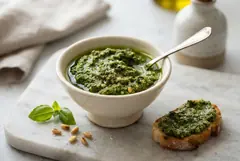
Basil, pine nuts, garlic, hard cheese and olive oil, ground together. On a board it does something nothing else does: it tastes of a living plant. Every other spread on the table is preserved fruit, cooked vegetable or emulsified fat, and next to them pesto reads as startlingly fresh. Buy it from the refrigerated case. The shelf-stable jar is a different, sadder product.
What it is
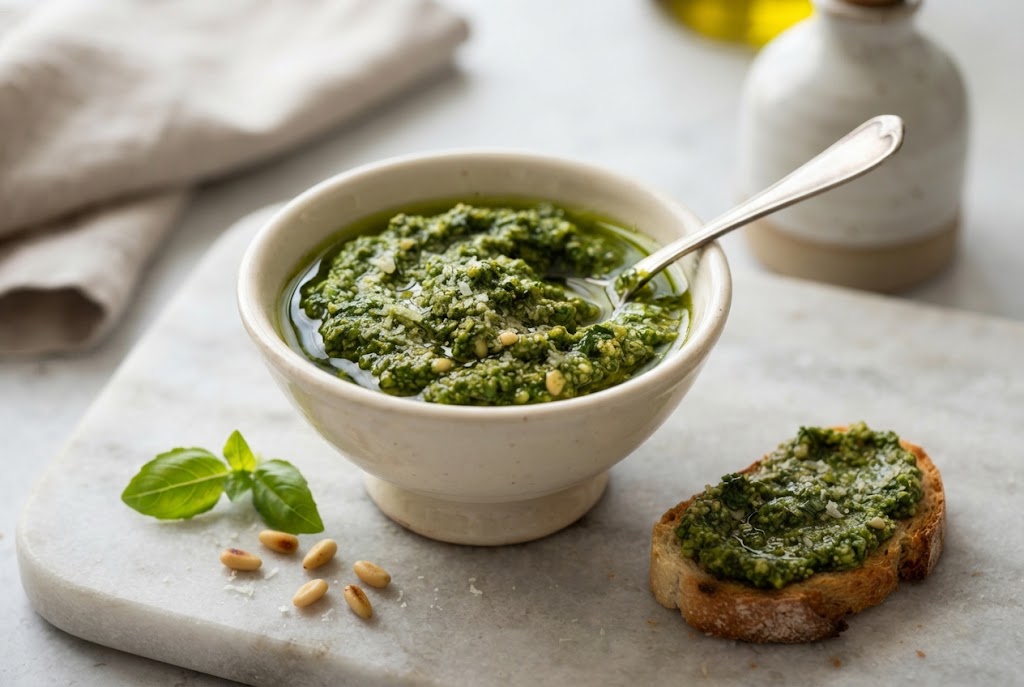
A raw sauce from Liguria, traditionally pounded in a mortar. Genoese pesto is basil, pine nuts, garlic, Parmigiano-Reggiano, pecorino and olive oil. Everything else sold as pesto — rocket, pistachio, sun-dried tomato — is a variation on the method rather than the original.
- Taste
- grassy and sharply herbal, with garlic heat and salty cheese underneath
- Texture
- loose and slightly grainy, never smooth
- Look
- deep green, glossy, flecked
The mechanism is volatile oils. Basil's aroma comes from compounds that boil off with heat, which is why pesto is never cooked and why it fades within a day of being made. That fragility is exactly what makes it useful on a board — it is the one item that smells like something, and it lifts a table of salt and fat.
What it pairs with — and why
| Pair it with | Why it works |
|---|---|
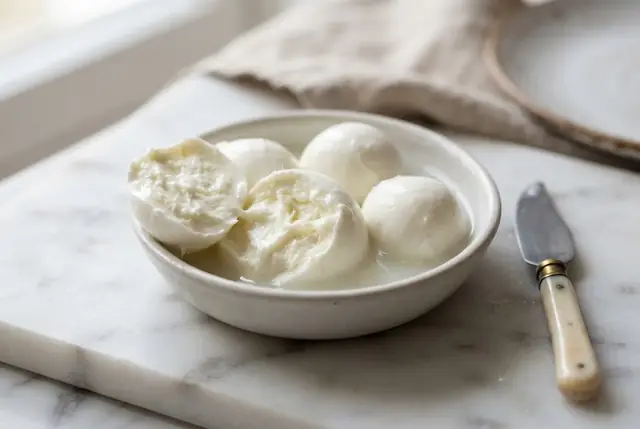
| Fresh mozzarella | Milk with no flavour of its own against the loudest herb on the board. The caprese logic without the tomato. |
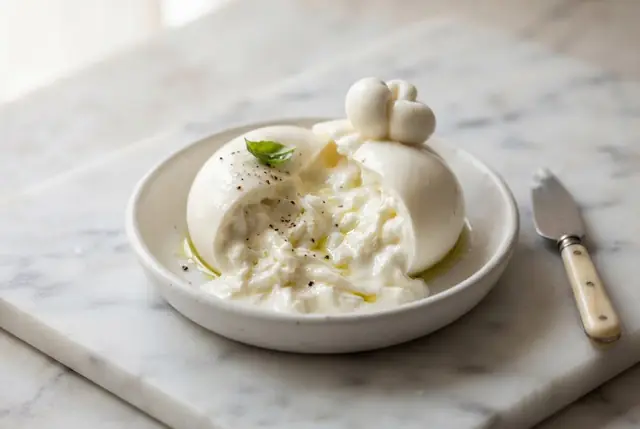
| Burrata | Cream pooling into green oil. Visually the best thing you can do with a spoonful of pesto. |
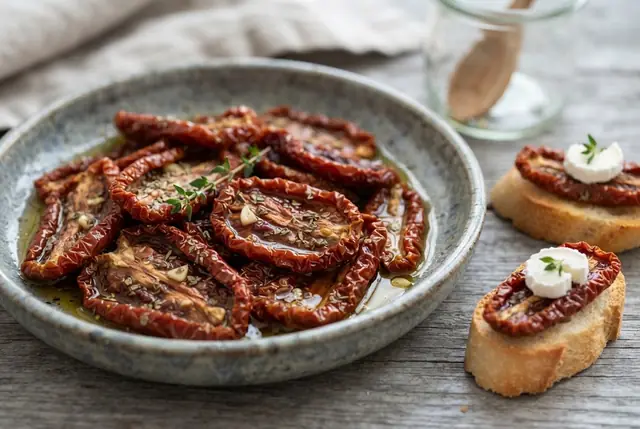
| Sun-dried tomatoes | Concentrated sweet-savoury against fresh and grassy. Both are intense; neither cancels the other. |
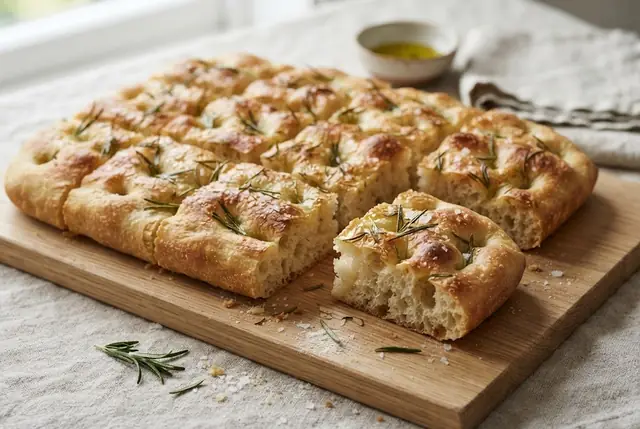
| Focaccia and ciabatta | Oily bread for an oily sauce. Bread is the delivery system pesto was built for. |
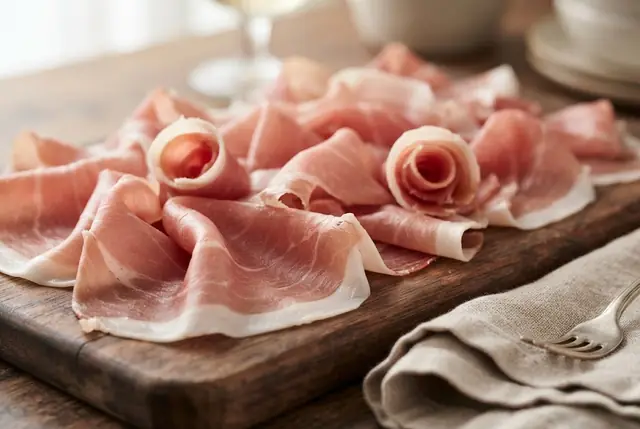
| Prosciutto | Salt and fat cut by garlic and acid. Wrap a strip around a torn piece of bread with pesto underneath. |
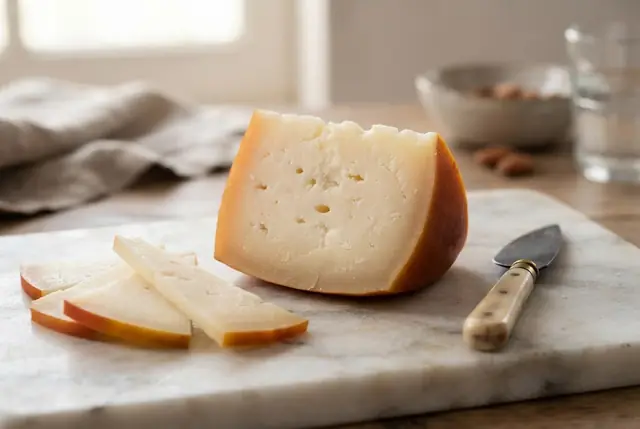
| Pecorino toscano | Sheep cheese is already in the sauce, so more of it beside is a deepening rather than a clash. |
Skip it with: blue cheese and washed-rind cheese. Both are strong in a barnyard direction that fights the herb rather than meeting it.
How to prep it for the board
- Buy refrigerated. The deli case tub, not the shelf jar.
- Stir it before serving. The oil separates and the good stuff sits at the bottom.
- Loosen with olive oil if it is stiff. It should fall off a spoon.
- Serve in a small bowl, not spooned onto wood. It stains, permanently.
- Film the top with oil to slow browning.
- Serve 0.5 oz per person. It is a condiment.
- Fix: tastes flat and slightly bitter? Too much raw garlic and not enough salt. A pinch of flaky salt and a squeeze of lemon rescues most tubs.
What to buy
| Product | Where | Notes |
|---|---|---|
| Refrigerated tub pesto | Deli case, Italian grocers | The default. Bright green, short ingredient list, sold cold. |
| Genoese DOP pesto | Italian delis, specialty | Made with Ligurian basil and pine nuts. The reference version. |
| Pistachio pesto | Italian delis | Sicilian, paler, sweeter, less garlicky. Excellent with mortadella. |
| Rocket or arugula pesto | Specialty, farmers markets | Peppery rather than sweet. Good with hard cheese. |
| Homemade | Make it | Basil, toasted pine nuts, garlic, Parmigiano, oil. Ten minutes and it is better than anything sold. |
Label check: basil should be the first ingredient. If sunflower oil or potato flake appears before the cheese, put it back.
Skip: shelf-stable jars in the pasta aisle. They are cooked, dull and often already browning.
Ranked picks: our top-rated store-bought pesto is Kirkland Signature Basil Pesto (4.7 out of 5), and the best shelf-stable jar is DeLallo Simply Pesto. See the full ranking of the best pesto.
Quick FAQ
Is jarred pesto any good?
Shelf-stable jarred pesto is dull and often brown. Refrigerated tub pesto from the deli case is much closer to fresh and is what to buy.
Why does my pesto turn brown on the board?
Basil oxidises. Spoon it out just before serving and film the top with olive oil, and it holds its colour for a couple of hours.
What cheese goes with pesto?
Fresh mozzarella and burrata above all, then hard sheep cheeses like pecorino. Not blue cheese.
Is pesto vegetarian?
Usually not strictly — traditional pesto uses Parmigiano-Reggiano, which is made with animal rennet. Vegetarian versions exist and say so on the label.
How much per person?
About half an ounce. It is a condiment, not a dip.