The short version
Tuna loin cured in salt and dried in the sea air of southern Spain until it's firm and deep red. Sliced paper-thin and dressed with olive oil, it tastes like a cross between tuna and jamón. It's one of the oldest cured foods in the Mediterranean, and almost nobody outside Spain has tried it.
What it is
Mojama comes from the Andalusian coast, around Barbate and Isla Cristina, where it has been made since the Phoenicians and Romans fished bluefin tuna there. The loin is buried in sea salt for a day or two, rinsed, then air-dried for two to three weeks. Mojama de Barbate has its own protected geographical indication.
- Taste
- savory, meaty, salty, with a clean, concentrated tuna flavor
- Texture
- firm and dense, tender when sliced very thin
- Look
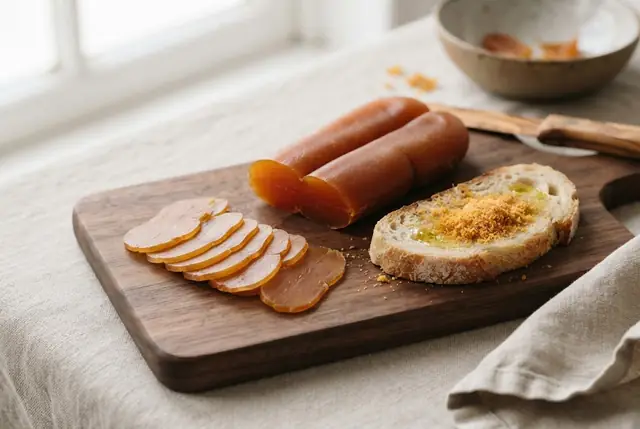
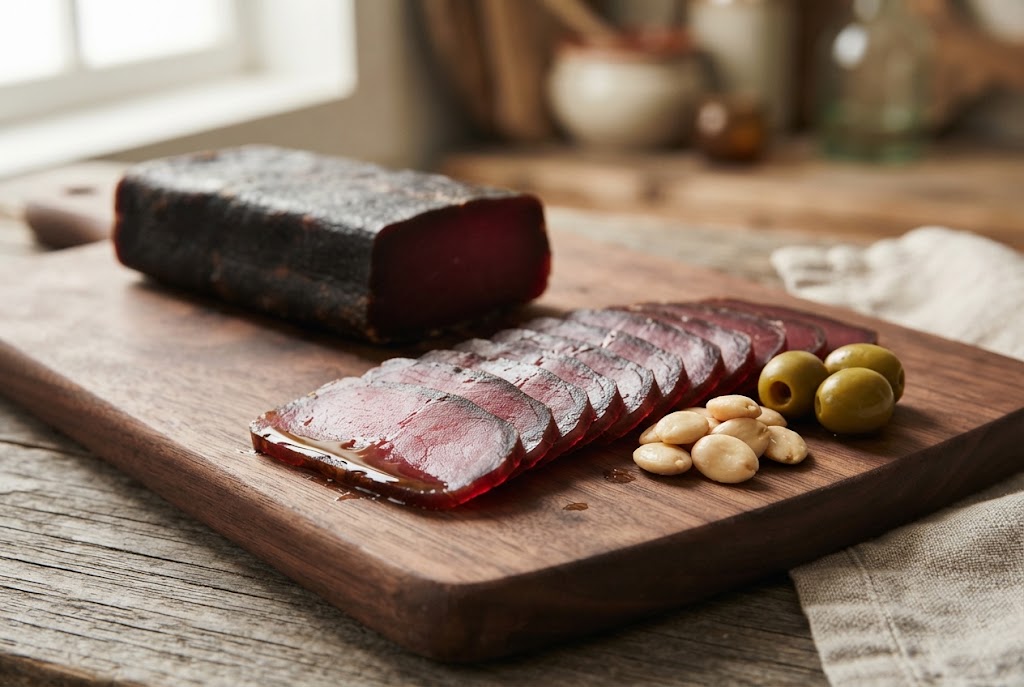
- a dark mahogany-red block; thin slices glow ruby against the light
Salt and drying concentrate the fish the same way they concentrate ham. Water leaves, the flesh tightens, and enzymes break proteins into savory amino acids. Tuna is naturally rich in inosinate, a compound that boosts the savory taste of glutamate, so mojama tastes far more savory per bite than fresh tuna.
What it pairs with — and why
| Pair it with | Why it works |
|---|---|
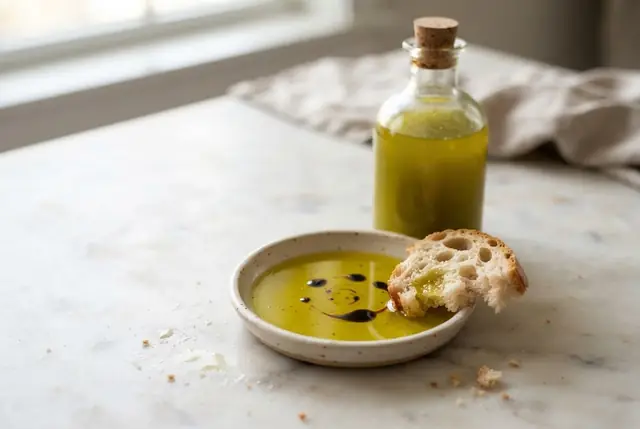
| Good olive oil | Fat softens the dense texture and carries the flavor. Essential. |
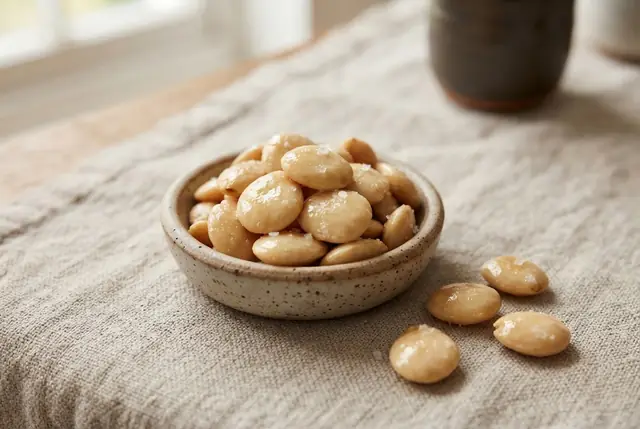
| Marcona almonds | The classic Spanish partner. Buttery crunch with salty fish. |
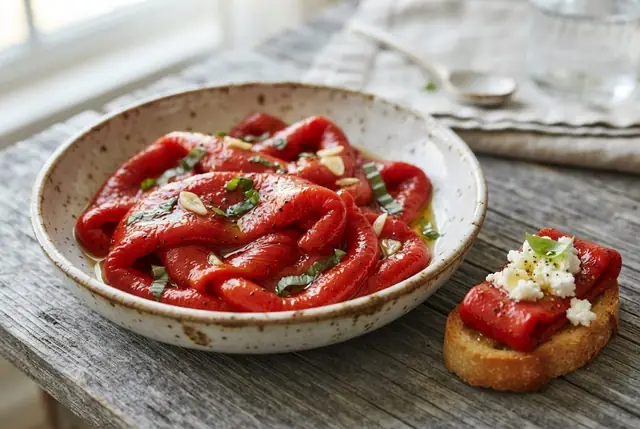
| Roasted red peppers | Sweet and soft against salt. |
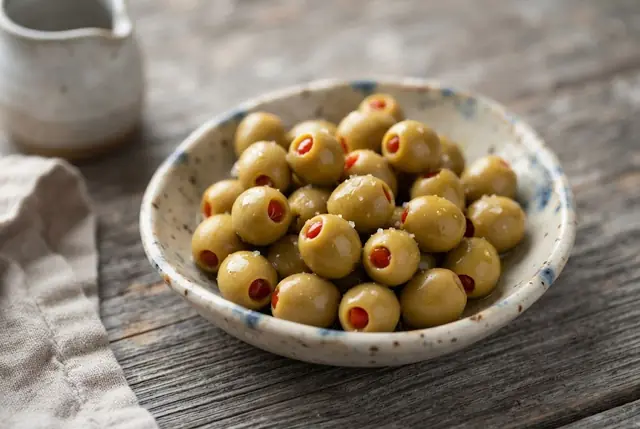
| Manzanilla olives | Briny and buttery, from the same part of Spain. |
| Plain tomato on toast | Fresh acid and juice balance the concentrated salt. |
| Manzanilla or fino sherry, Albariño | Dry, salty-edged wines from the same coast. |
Skip it with: blue cheese and smoked salmon. Blue cheese overpowers it, and two oily fish on the board compete.
How to prep it for the board
- Slice it as thin as you possibly can. Thick pieces are tough and salty. A very sharp knife or a mandoline works.
- Lay the slices flat and drizzle with olive oil 10 minutes before serving.
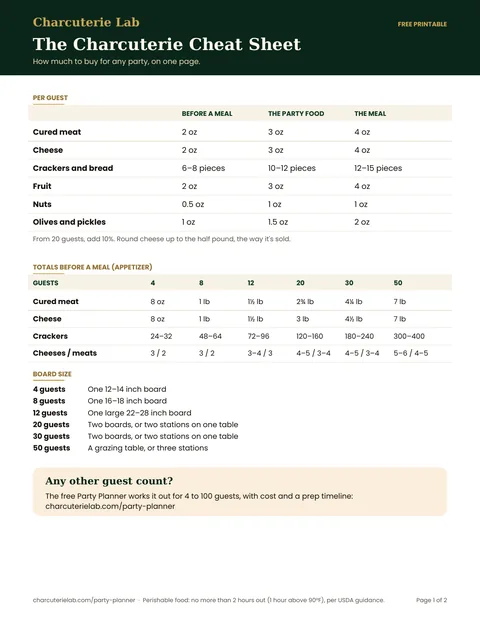
- Serve about 0.5 oz per person. It's concentrated.
- Scatter toasted Marcona almonds on top or right beside it.
- Place it with the olives and peppers to make a Spanish corner.
- Fix: if it tastes too salty, let the slices sit in olive oil a few minutes longer. The oil mellows it.
What to buy
| Product | Where | Notes |
|---|---|---|
| Mojama de Barbate, vacuum-packed | La Tienda (tienda.com), Spanish shops | The real thing. Look for the IGP. |
| Usisa Mojama Extra | Spanish specialty shops, online | From Isla Cristina. Sold sliced or as a whole piece. |
| Pre-sliced mojama in olive oil | Spanish shops, online | The easiest route; ready for the board. |
| Bottarga | Italian delis, fishmongers | The roe cousin, if you want two cured tuna products. See its own page. |
| Marcona almonds | Most grocery stores | The classic partner. See its own page. |
Label check: tuna and salt only. Look for "mojama de atún" and, ideally, Barbate or Isla Cristina.
Skip: cutting it into chunks. Mojama only works paper-thin.
Quick FAQ
What is mojama?
Tuna loin that's salted and then air-dried for weeks until it's firm and dark red. It's a specialty of the Andalusian coast in Spain.
What does mojama taste like?
Concentrated tuna: savory, meaty and salty, with a clean sea flavor. It's much milder than anchovies.
How do you serve it?
Sliced as thin as possible and dressed with olive oil, often with toasted almonds on the side.
Is mojama the same as bottarga?
No. Bottarga is cured fish roe. Mojama is the cured loin, the meat of the fish.
How long does it keep?
Unopened, vacuum-packed mojama keeps for months. Once opened, wrap it tightly and use it within a couple of weeks.