The short version
Big, flat, golden beans sold in brine, like olives. They're firm, salty and mild, and the fun is popping each bean out of its skin with your teeth. They're cheap, high in protein and almost nobody puts them on a board, which makes them a great surprise in the briny corner.
What it is
Lupini (or tremoços in Portugal) are the seeds of the white lupin plant. Raw, they're very bitter and inedible. They're soaked and boiled, then rinsed in changes of water for days to leach out the bitter alkaloids, then stored in salted brine. They're a classic Italian bar snack and a Portuguese beer partner.
- Taste
- salty, mild and nutty, a little like a firm chickpea
- Texture
- firm and snappy, with a chewy skin
- Look
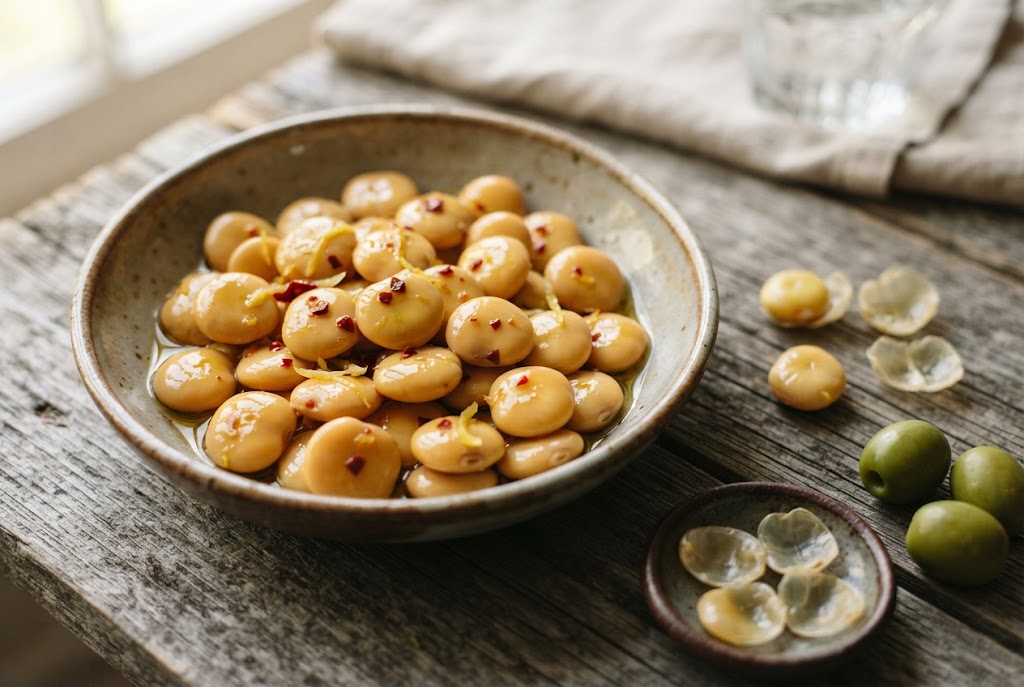
- flat, round, bright golden-yellow beans
Leaching is the mechanism. The bitter compounds in lupin are water-soluble, so days of soaking and rinsing wash them out and leave a mild, protein-rich bean. Brining then seasons it and keeps it. The skin stays intact, which is why lupini keep their snap in a bowl for hours.
What it pairs with — and why
| Pair it with | Why it works |
|---|---|
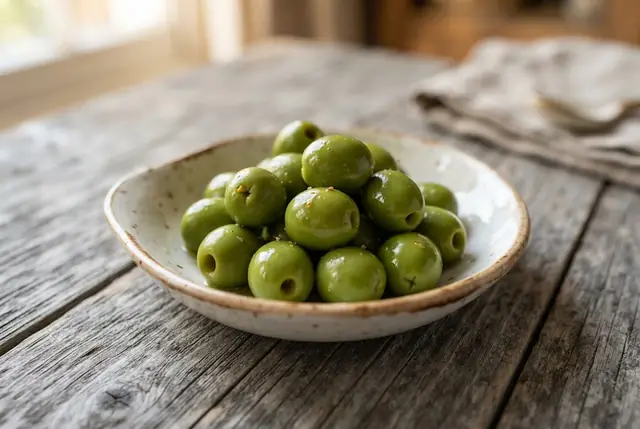
| Castelvetrano olives | Buttery green olives and firm golden beans, a classic Italian bar snack. |
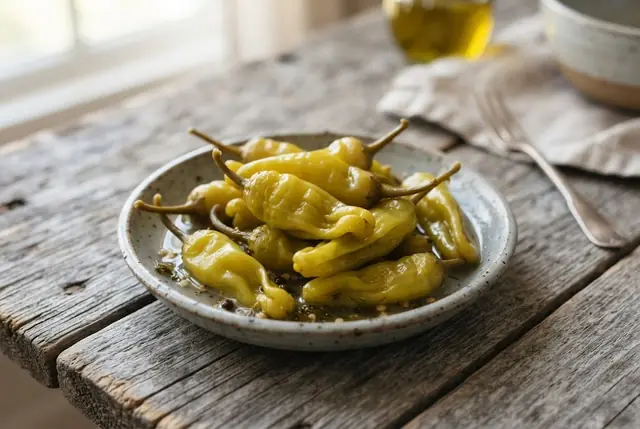
| Pepperoncini | Mild heat and more brine for a pickled corner. |
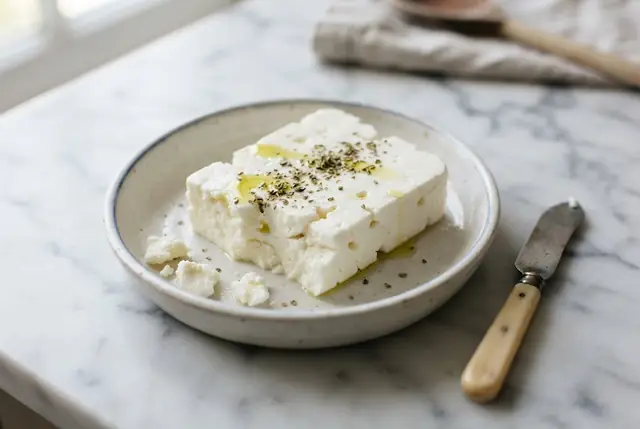
| Feta | Creamy salt and tang against a firm, nutty bean. |
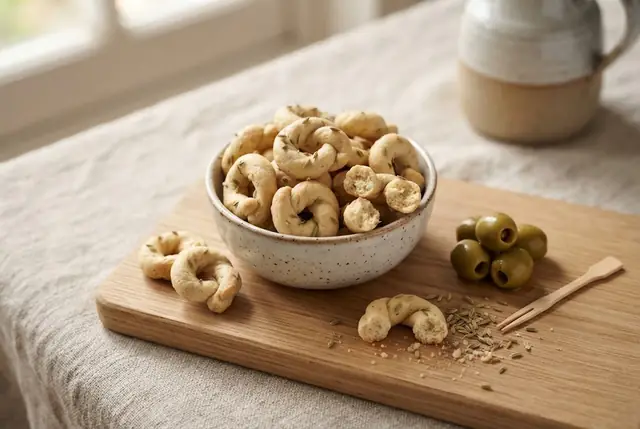
| Taralli | Crunchy, fennel-scented Italian snack rings. |
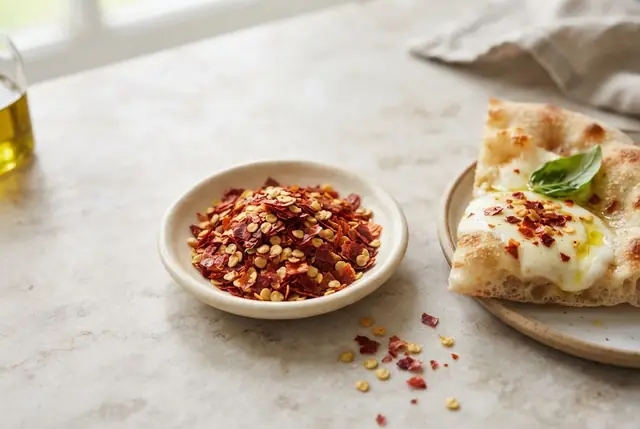
| Chili flakes and olive oil | A quick marinade that makes them addictive. |
| Cold lager, vinho verde or a spritz | Light and crisp, made for salty snacks. |
Skip it with: dessert items. They're pure savory brine.
How to prep it for the board
- Drain and rinse them. The jar brine is very salty.
- Soak for 10 minutes in fresh water if they still taste too salty.
- Toss with olive oil, lemon zest and chili flakes for an easy upgrade.
- Serve about 1 oz per person.
- Put them in a bowl with a second small bowl for skins, and show guests how to pop them.
- Fix: if they've gone soft in the fridge, a 30-minute soak in cold salted water firms them back up.
What to buy
| Product | Where | Notes |
|---|---|---|
| Cento Lupini Beans, jar | Grocery, Italian aisle | The most common US brand. |
| Cento Ready to Eat Lupini Beans, 8 oz | Walmart, grocery | Snack packs, no rinsing needed. |
| Brami Lupini Snack | Whole Foods, grocery, Amazon | Snack packs in marinated flavors. |
| Italian deli lupini | Italian delis | Often sold loose from a tub. |
| Castelvetrano olives | Grocery olive bar | Their natural partner. See its own page. |
Label check: lupini beans, water, salt. Some brands add lactic or citric acid, which is fine.
Skip: dried lupini for a party. They need days of soaking to be edible.
Quick FAQ
What are lupini beans?
The seeds of the lupin plant, soaked and brined to remove their natural bitterness. They're a traditional bar snack in Italy, Portugal and the Middle East.
Do you eat the skin?
You can. Many people nick the skin with their teeth and pop the bean out, which is half the fun. The skin is edible, just chewy.
Can someone with a peanut allergy eat lupini?
Be careful. Lupin is a legume related to peanuts, and some people with peanut allergies react to it. It's a listed allergen in Europe.
Why are they so salty?
They're stored in brine. Rinse them and soak for 10 minutes in fresh water if they're too salty.
Are lupini beans keto?
They're high in protein and fiber and very low in net carbs, so they fit most keto boards.