The short version
The dry way to add heat. Unlike hot honey or chilli oil, flakes bring nothing wet with them, so they can go directly on cheese without softening a cracker or bleeding across a board. The upgrade is buying Aleppo or Calabrian flakes rather than the generic red pepper flakes from a pizza shop.
What it is
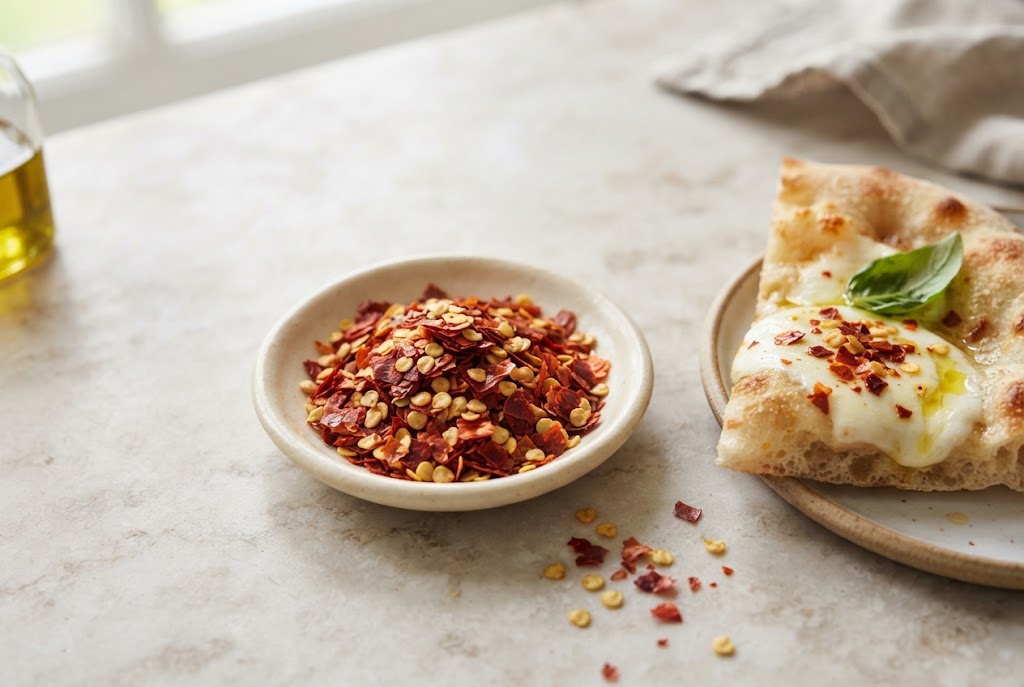
Dried chillies crushed coarse. Aleppo (pul biber) is mild, fruity, slightly oily and burgundy-red; Calabrian is fruitier and hotter; Urfa is dark, smoky and raisin-like; generic crushed red pepper is hotter, sharper and mostly seed.
- Taste
- varies — fruity and mild (Aleppo) to sharp and hot (generic)
- Texture
- coarse dry flakes
- Look
- red flecks, dark burgundy for Aleppo, bright red for generic
The mechanism is heat without a carrier. Capsaicin needs fat or liquid to spread, so dry flakes deliver heat in discrete points rather than across the whole bite. On a board that's useful — you can add heat to one cheese without the heat migrating to everything around it.
What it pairs with — and why
| Pair it with | Why it works |
|---|---|
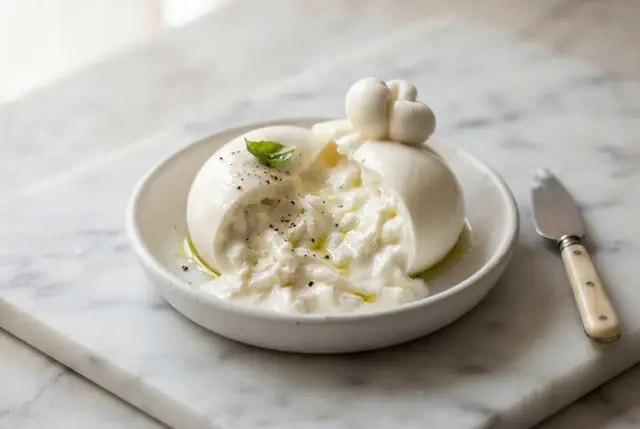
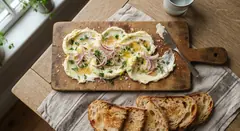
| Burrata | Oil, salt and Aleppo flakes. The heat sits on top rather than soaking in, so each bite is different. |
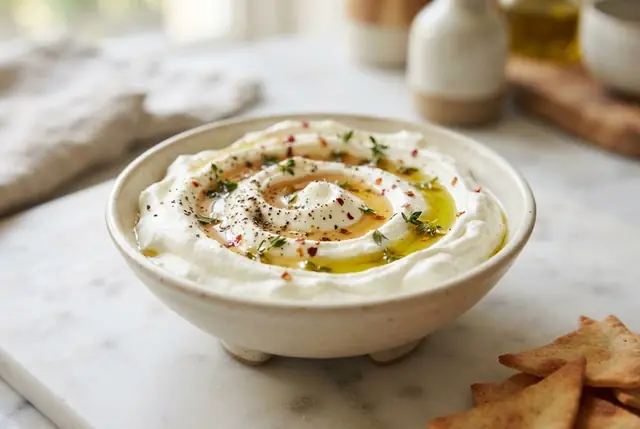
| Whipped feta | Salt and cream with a fruity dry heat scattered over. |
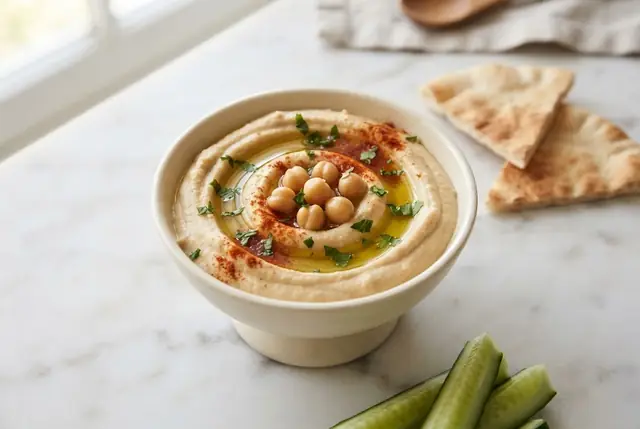
| Hummus | The traditional finish, with olive oil. Aleppo is the correct flake here. |
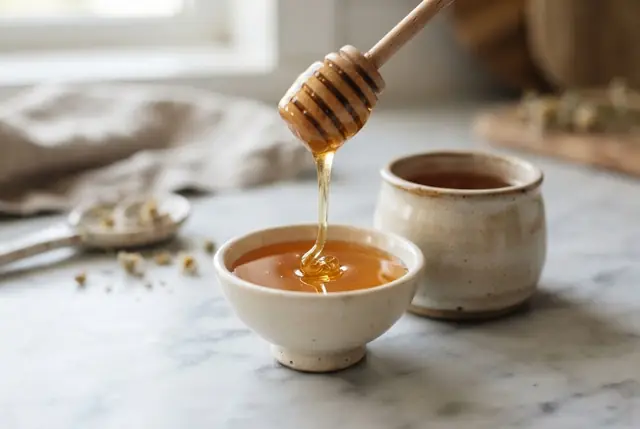
| Honey | Sprinkle flakes into a pot of honey and you've made hot honey. Cheaper than buying it. |
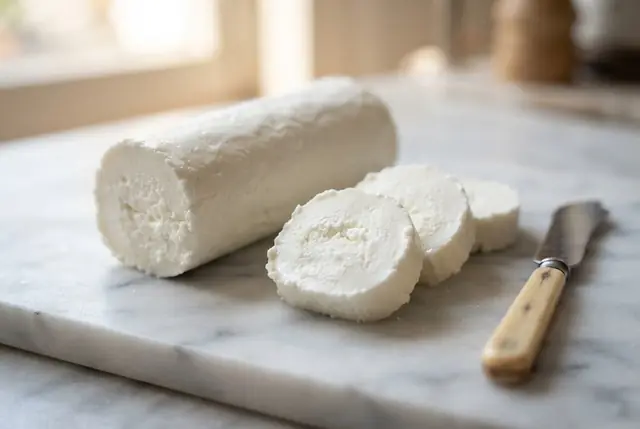
| Fresh goat cheese | Tang and heat, with the colour doing visual work on a white log. |
| Olive oil and bread | Oil, flakes and salt in a shallow dish. Ten seconds. |
Skip it with: delicate aged cheeses. Heat covers subtlety.
How to prep it for the board
- Pinch and scatter from a height so the flakes spread rather than clump.
- Use Aleppo as the default. It's mild enough to use generously and fruity enough to add flavour, not just burn.
- Add it last, over pale surfaces where it shows.
- Put a small dish out so guests can add their own.
- Make hot honey: stir a teaspoon of flakes into a small pot of honey and let it sit twenty minutes.
- Say what's spicy. A red flake on white cheese is a clear signal, but say it anyway.
- Fix: too hot? Aleppo and Urfa are much milder than generic crushed red pepper. Switch, don't reduce.
What to buy
| Product | Where | Notes |
|---|---|---|
| Aleppo pepper (pul biber) | Middle Eastern grocers, spice shops | Mild, fruity, slightly oily. The best all-round finishing flake. |
| Calabrian chilli flakes | Italian delis | Hotter and fruitier. Excellent on Italian boards. |
| Urfa biber | Spice shops, Middle Eastern grocers | Dark, smoky, raisin-like. Remarkable on chocolate and cheese. |
| Gochugaru | Korean markets | Bright red, mild, slightly sweet. Good and very cheap. |
| Crushed red pepper | Any grocery | The generic pizza-shop flake. Hot and mostly seed. Usable, not ideal. |
Label check: buy from a shop with turnover — chilli flakes fade badly within a year. Aleppo should look burgundy and feel slightly damp, not bright red and dusty.
Skip: anything that's mostly pale seeds. Seeds carry heat but no flavour.
Quick FAQ
What is Aleppo pepper?
A mild, fruity Middle Eastern chilli flake, burgundy in colour and slightly oily. The best default finishing flake for a cheese board.
How is it different from crushed red pepper?
Crushed red pepper is hotter, sharper and mostly seeds. Aleppo is milder with much more flavour.
Can I make hot honey with chilli flakes?
Yes. Stir a teaspoon into a small pot of honey and let it sit for twenty minutes.
What do I sprinkle them on?
Burrata, whipped feta, hummus, fresh goat cheese, and olive oil.
Do chilli flakes go stale?
They fade within about a year. Buy small quantities from a shop with turnover.