The short version
The pale wrinkled pepper from every Italian sub. Pepperoncini are barely spicy — most of what you taste is vinegar and a mild vegetal sweetness — which makes them useful as an acid without committing the board to heat. They cost about two dollars and they last forever.
What it is
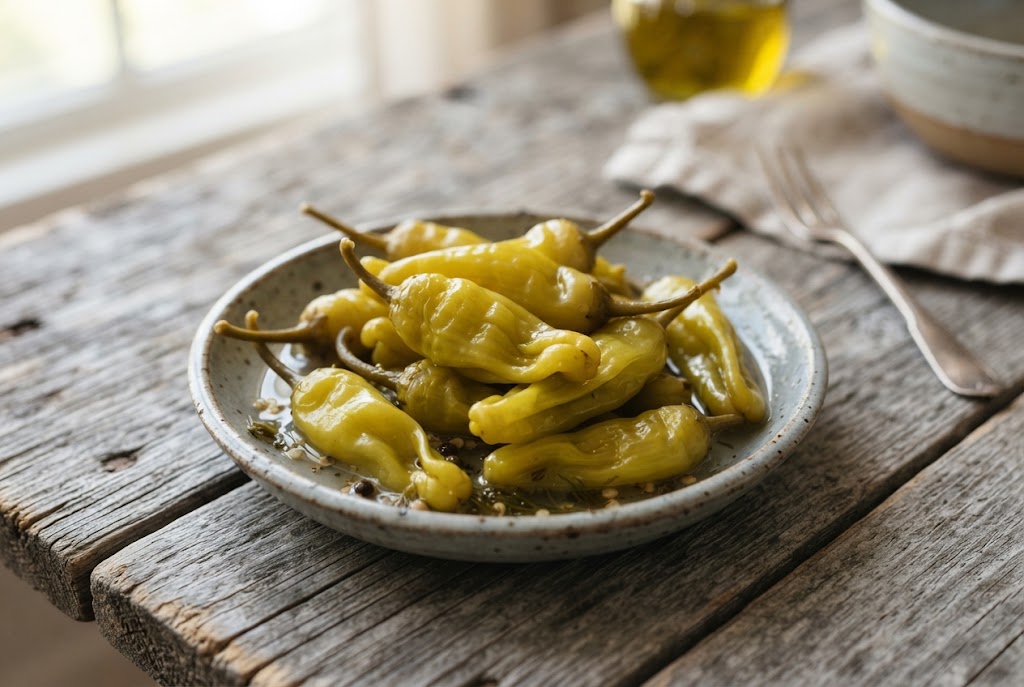
A mild chilli (also called friggitello or Tuscan pepper) pickled in vinegar brine. Greek versions tend to be slightly larger and milder; Italian ones are a little sharper. Sold whole with stems, or sliced into rings.
- Taste
- tangy, mildly sweet, with very gentle heat
- Texture
- soft-crisp with thin walls
- Look
- pale yellow-green, wrinkled, two to three inches
The mechanism is acid with thin walls. Unlike a firm pickled vegetable, a pepperoncini collapses easily and releases its brine into the bite — which is why it works inside a sandwich and beside fatty salami rather than as a standalone crunch. It's a delivery system for vinegar more than a texture ingredient.
What it pairs with — and why
| Pair it with | Why it works |
|---|---|
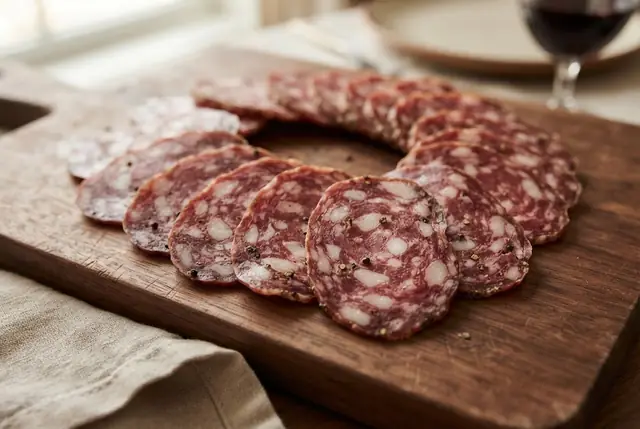
| Soppressata and Italian salami | The sub, deconstructed. Fatty spiced pork cut by mild acid, with no competing heat. |
| Provolone piccante and aged provolone | Sharp piquant cheese and mild sharp pepper — the Italian deli pairing. |
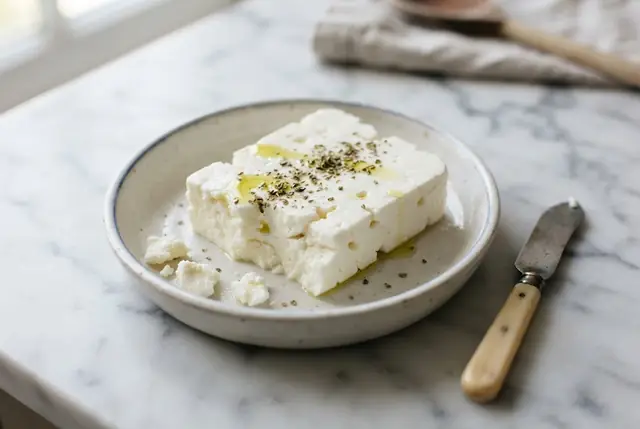
| Feta | The Greek salad. Salt and brine against tang. |
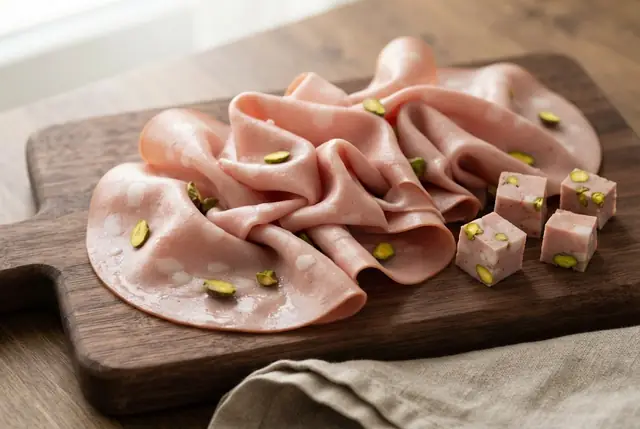
| Mortadella | Soft, fatty, mild meat that needs an interruption. |
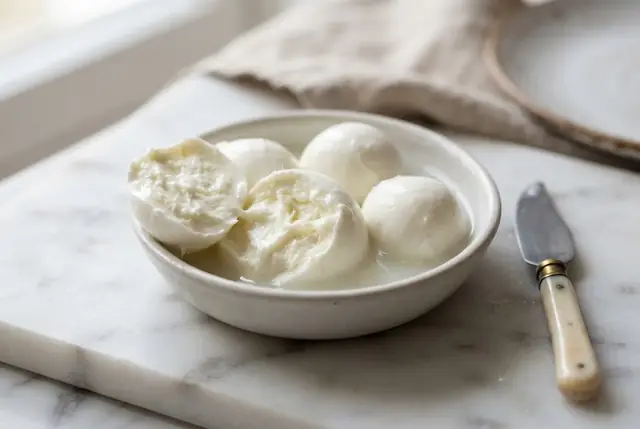
| Fresh mozzarella | Mild on mild, where the pepper's acid is the only sharp note. |
| Italian sub and antipasto boards | Where they belong, and where nobody has to be told what they're for. |
Skip it with: delicate cheeses and French charcuterie. They're loud in a vinegary way even if they're not hot.
How to prep it for the board
- Drain and blot.
- Serve whole with stems in a small bowl — the stems make them easy to pick up and look better than rings.
- Or use sliced rings scattered over a meat board.
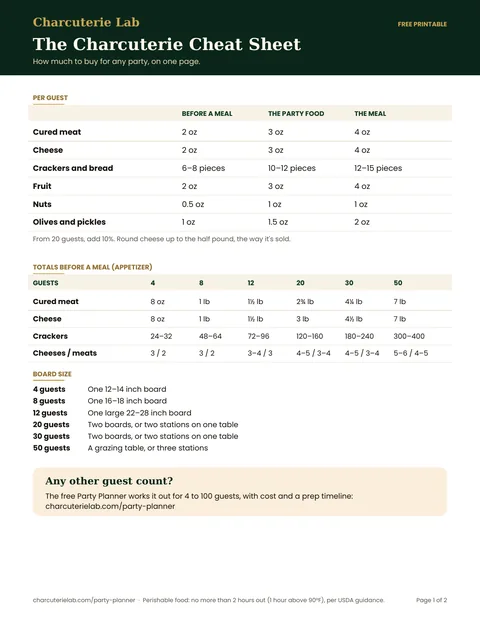
- Serve 0.5 oz per person — two or three peppers.
- Warn nobody. They're genuinely mild, which is the point.
- Stuff them with provolone or cream cheese if you want them to do more.
- Fix: too soft? An old jar. They should have some resistance.
What to buy
| Product | Where | Notes |
|---|---|---|
| Whole pepperoncini | Any grocery | The default. Cheap and available everywhere. |
| Mezzetta pepperoncini | Grocery | The widely available brand. Reliable. |
| Greek pepperoncini | Greek and Middle Eastern grocers | Slightly larger and milder. |
| Sliced pepperoncini rings | Grocery | Convenient for scattering. Softer. |
| Stuffed pepperoncini | Olive bars | Filled with provolone or cheese. Better than they sound. |
Label check: they should be pale yellow-green and reasonably firm. Anything brown or collapsed in the jar is old.
Skip: nothing in particular. This is a hard ingredient to get wrong.
Quick FAQ
Are pepperoncini spicy?
Barely. They're one of the mildest chillies used in pickling — mostly tangy and vegetal.
What's the difference between pepperoncini and banana peppers?
Banana peppers are smoother, straighter and even milder. Pepperoncini are wrinkled and slightly tangier. They're often used interchangeably.
What do they go with?
Italian salami, provolone, mortadella and feta — antipasto and Greek salad ingredients.
Whole or sliced?
Whole with stems for a board; they look better and are easier to pick up. Rings are for scattering.
How much per person?
Two or three peppers, about half an ounce.