The short version
A thin chickpea-flour pancake from Nice, baked screaming hot until the edges char. Four ingredients, naturally gluten-free, and about a dollar a batch. It's the only warm gluten-free base on a board that anyone will fight over, and you can't buy it — you have to make it.
What it is
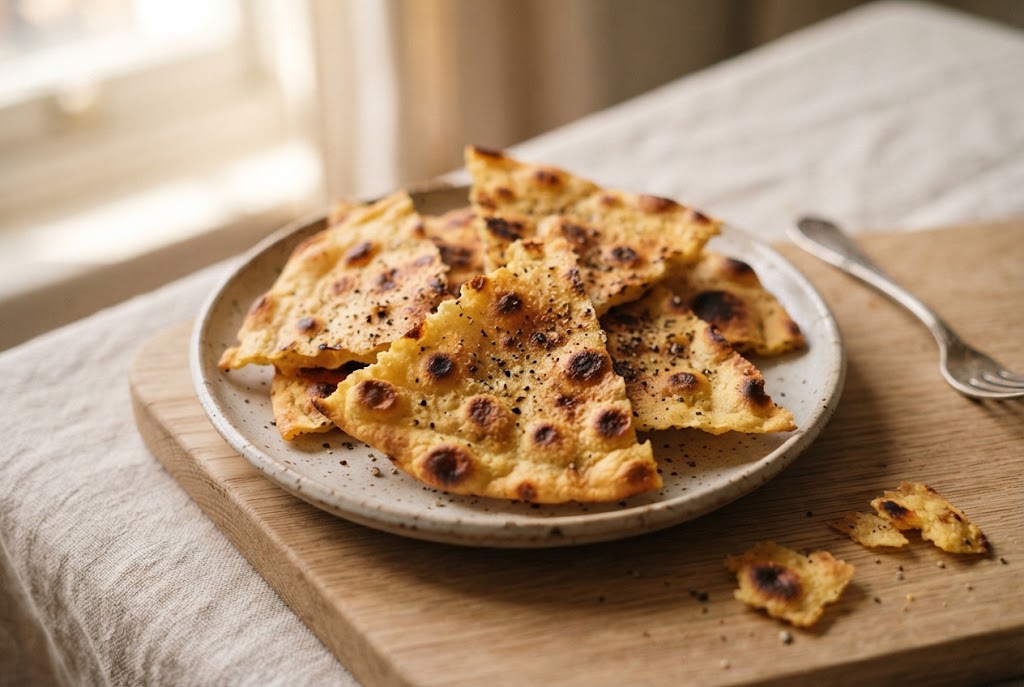
Socca is street food from Nice; the Genoese version is farinata, and the two are essentially the same thing. Chickpea flour, water, olive oil and salt, rested for an hour so the flour hydrates, then poured thin into a blazing-hot pan and baked until blistered.
- Taste
- nutty, savory, olive-oil rich, faintly bitter at the char
- Texture
- creamy-soft center, crisp charred edge
- Look
- deep gold with dark blistered spots, torn into rough wedges
Heat is the mechanism, and it's what makes socca different from every packaged gluten-free base. Nothing from a box arrives warm. A warm, freshly torn flatbread on a board full of cold cheese and cured meat creates a contrast that no cracker can, and it's the reason people notice it.
What it pairs with — and why
| Pair it with | Why it works |
|---|---|
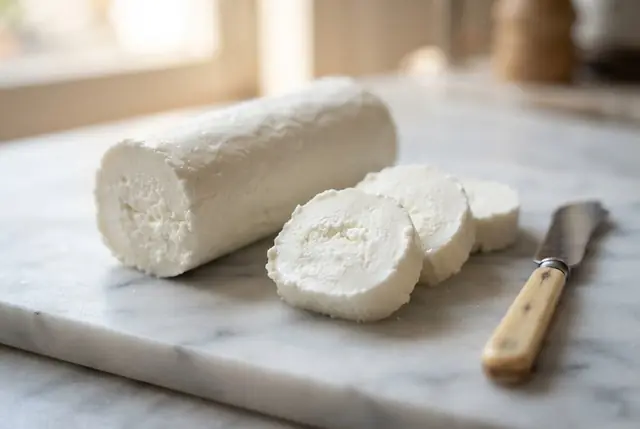
| Fresh goat cheese | Warm, nutty flatbread under cool tangy cheese. The best socca bite. |
| Tapenade | Salty, briny, intense — and socca is from the same stretch of coast. |
| Ratatouille or roasted peppers | Soft vegetables on a soft-centered base, with the char supplying the edge. |
| Rosemary and flaky salt | Traditional. Scatter on before it goes in the oven. |
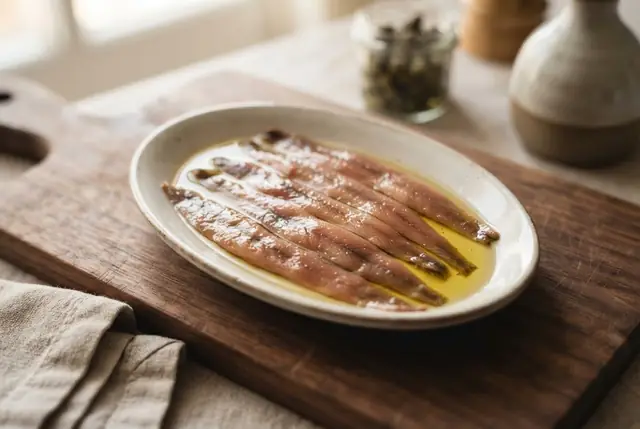
| Anchovies and olive oil | The Niçoise version, and better than it sounds if your crowd is game. |
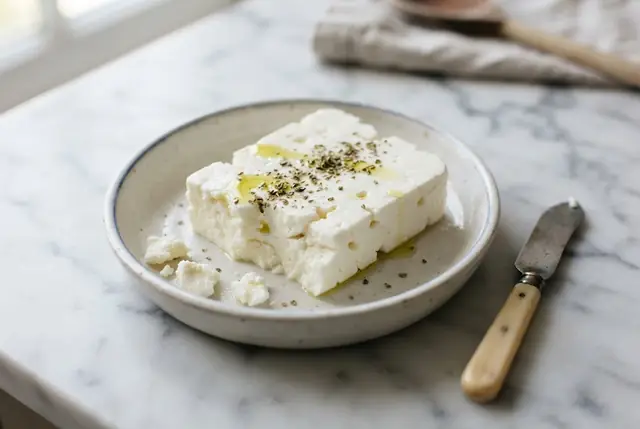
| Whipped feta or labneh | Cool creamy dairy against warm chickpea. |
| Ripe tomato with basil | The socca is doing the job bread does in panzanella. |
Skip it with: nothing much — socca is broadly agreeable. The real constraint is timing: it's only excellent for about twenty minutes after it comes out of the oven.
How to prep it for the board
- Whisk 1 cup chickpea flour with 1¼ cups water, 2 tbsp olive oil and 1 tsp salt. Let it rest at least 30 minutes — 2 hours is better. This step is not optional; unrested batter tastes raw and chalky.
- Put a cast-iron skillet in the oven at 450–500°F while it heats. The pan must be genuinely hot before the batter hits it.
- Add a tablespoon of oil to the hot pan, swirl, pour in a thin layer of batter, and bake 10–12 minutes until set with dark blistered edges.
- Finish under the broiler for 1–2 minutes if you want more char. This is where the flavor is.
- Tear it, don't cut it, into rough wedges. Serve immediately.
- Serve 2–3 wedges per person. Make it last, right before guests arrive.
- Fix: it doesn't reheat well. Make a second batch rather than warming a cold one — the batter keeps in the fridge for two days.
What to buy
You can't buy socca; you buy the flour. That's the whole shopping list.
| Product | Where | Notes |
|---|---|---|
| Bob's Red Mill Garbanzo Bean Flour | Most grocery stores, baking aisle | The easiest to find. Works perfectly. |
| Anthony's Chickpea Flour | Amazon | Cheaper in bulk if you'll make it often. |
| Besan | Indian groceries | The same flour under its Indian name, at a fraction of the price. Buy it here. |
| A cast-iron skillet | Anywhere | The one piece of equipment that matters. A hot pan is the whole technique. |
| Good olive oil | Grocery | It's one of four ingredients, so it's a quarter of the flavor. |
Label check: chickpea flour, garbanzo bean flour and besan are the same thing. Gram flour usually is too. Don't buy "chana dal flour" expecting identical results — it's a slightly different legume.
Skip: boxed socca or farinata mixes. It's four ingredients; a mix saves you nothing and costs four times as much.
Quick FAQ
Is socca gluten-free?
Yes, completely. Chickpea flour, water, olive oil, salt.
Socca or farinata — what's the difference?
Socca is from Nice, farinata from Liguria. Same batter, same method, different name.
Why does my batter need to rest?
Chickpea flour hydrates slowly. Unrested batter tastes raw and gritty; rested batter tastes nutty and smooth. Thirty minutes minimum.
Can I make it ahead?
Make the batter ahead — it keeps two days refrigerated. The socca itself is only good for about twenty minutes.
How many per person?
2–3 torn wedges. One skillet feeds four to six alongside other bases.