The short version
Crackers and chips made from cassava, the tropical root that also gives us tapioca. They're grain-free, nut-free, dairy-free and almost flavorless, which makes cassava the single most useful thing to have on a board when you don't know your guests' restrictions.
What it is
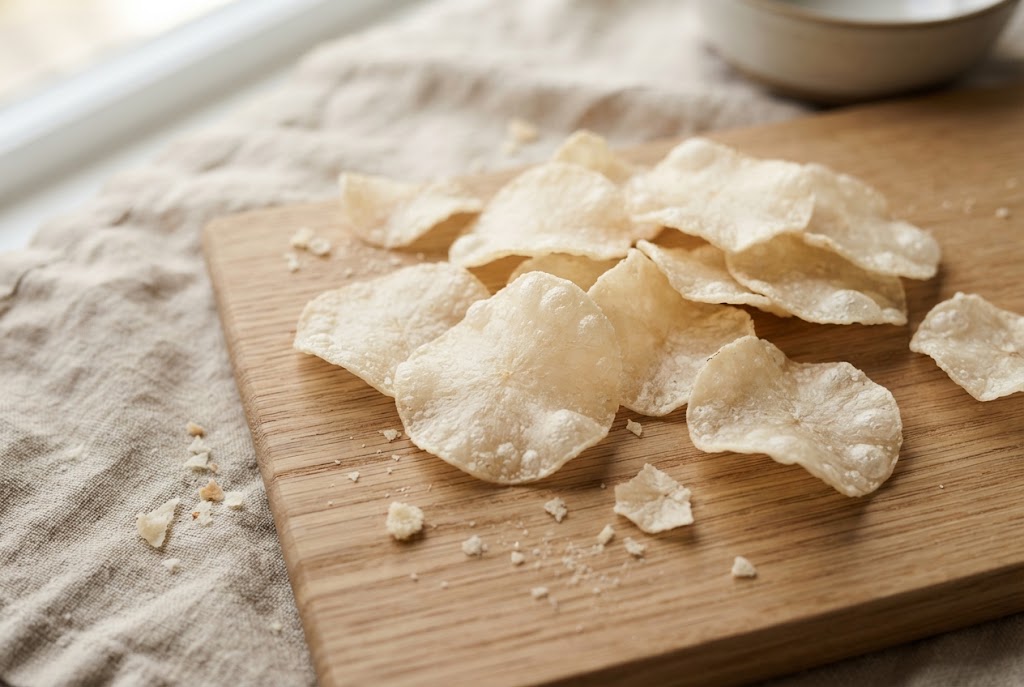
Cassava is a starchy root grown across South America, Africa and Southeast Asia. Ground into flour, it makes a dough that bakes or fries into something light and neutral. Most of what's sold in the US is a cassava chip or tortilla-style round rather than a flat cracker — dedicated cassava crackers exist but the shelf is thin and rotates.
- Taste
- very mild, faintly sweet, clean
- Texture
- light and crisp, sturdier than it looks
- Look
- pale, thin, slightly translucent at the edges
Absence is the mechanism. Cassava avoids all eight major allergen groups at once — no wheat, no nuts, no dairy, no soy, no egg. On a board that has to work for a mixed group, that's worth more than flavor, and cassava is the only base in this section that manages it.
What it pairs with — and why
| Pair it with | Why it works |
|---|---|
| Guacamole and avocado | Neutral and sturdy against creamy and rich. The pairing cassava chips were built for. |
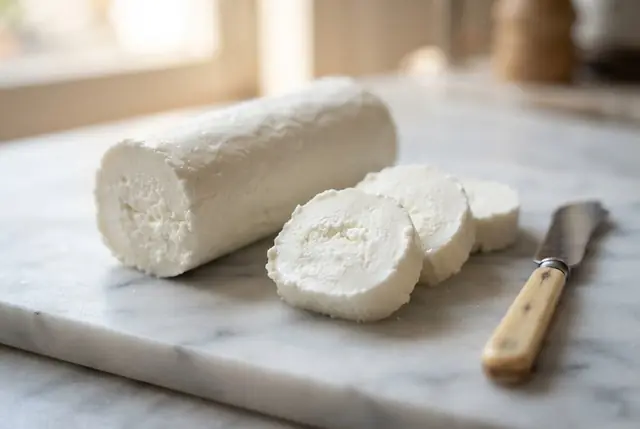
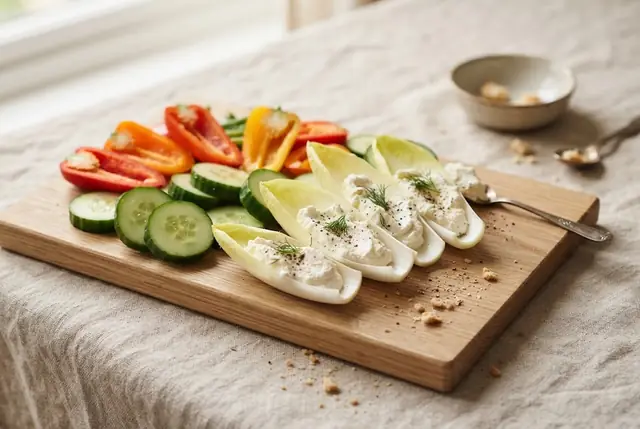
| Fresh goat cheese | The cracker contributes nothing, so the cheese reads clearly. |
| Hummus and bean dips | One of the few gluten-free bases strong enough to scoop with. |
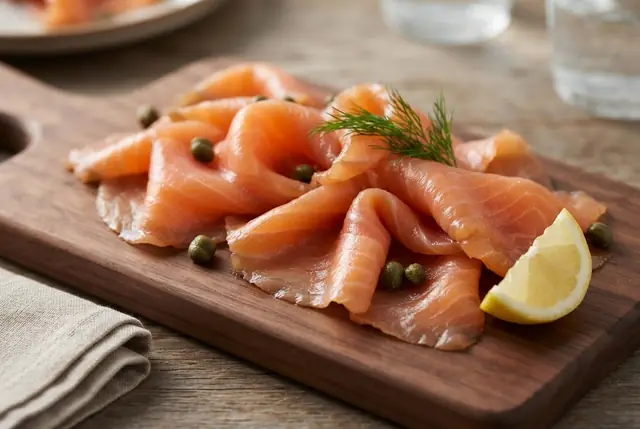
| Smoked salmon | Plain enough not to interfere with an expensive topping. |
| Salsa and pico de gallo | The tortilla-style rounds are built for this and hold up to the liquid. |
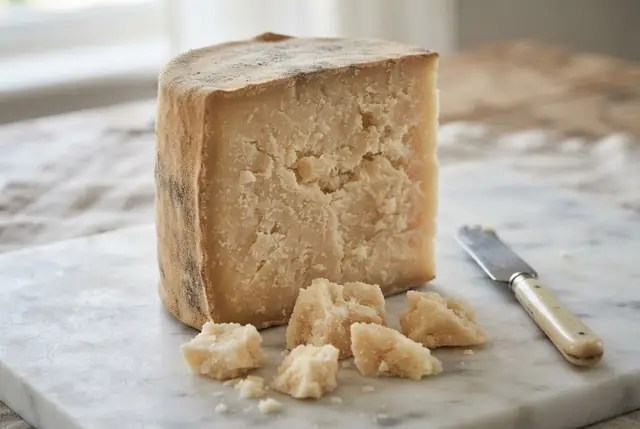
| Sharp cheddar | Neutral base, loud cheese. Works exactly as a water cracker would. |
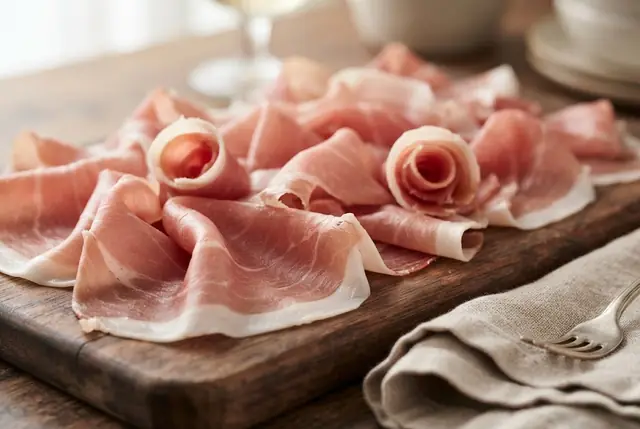
| Prosciutto and cured meats | No competing flavor, and it won't snap under a folded slice. |
Skip it with: nothing in particular. Cassava is the most agreeable base here. Its only real weakness is that it's boring on its own, so it needs a topping with something to say.
How to prep it for the board
- Make it the designated safe base. Put it in its own dish, away from the wheat crackers, and keep a clean knife next to it.
- Label it. "Gluten-free, nut-free" on a small card does more work than any styling choice on the board.
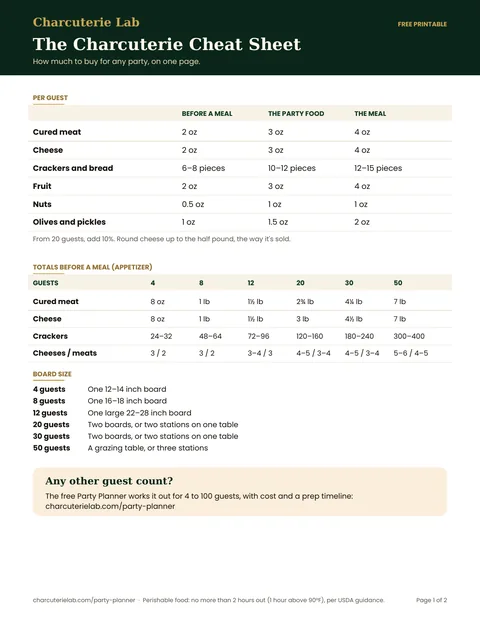
- Serve 5–6 pieces per person — more if it's the only option for a guest who can't eat the rest.
- Cross-contamination matters. A guest with celiac disease can't use a knife that just cut through a baguette. One spare knife solves it.
- Put it near the dips, where its sturdiness is an advantage over almond flour crackers.
- Fix: it stales slowly and re-crisps at 300°F for 3 minutes.
What to buy
| Product | Where | Notes |
|---|---|---|
| Siete Grain Free Tortilla Chips, Sea Salt | Target, Whole Foods, most grocery | Cassava and coconut flour. The most widely stocked and the most reliable. |
| Barnana Cassava Chips | Whole Foods, Amazon, natural grocers | Thicker and sturdier. Best for dips. |
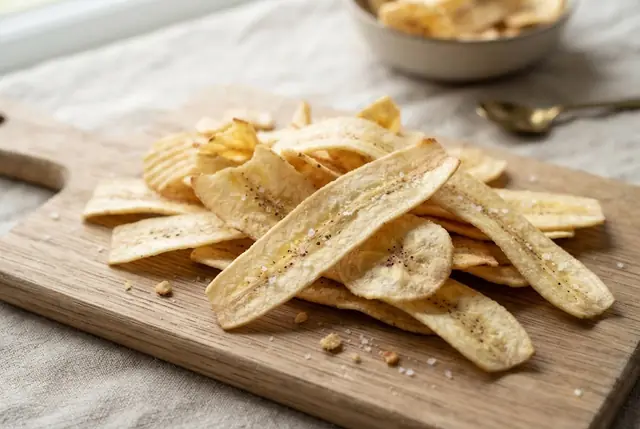
| Artisan Tropic Cassava Strips | Amazon, natural grocers | Long strips rather than rounds. Good for scooping. |
| Jovial and other cassava-flour crackers | Whole Foods, Amazon | Flat cracker format when you can find it — stock is inconsistent. |
| Cassava flour | Bob's Red Mill, Otto's Naturals, Amazon | The DIY route: flour, oil, water, salt, rolled thin, 350°F for 15 minutes. |
Label check: "cassava flour" near the top, and check for almond or coconut if a guest has a nut allergy — several grain-free brands blend them in.
Skip: anything labeled grain-free that turns out to be mostly almond flour. That defeats the reason you bought cassava.
Ranked picks: our top-rated gluten-free crackers is Crunchmaster Multi-Seed Crackers (4.7 out of 5), and the best value is Blue Diamond Nut-Thins. See the full ranking of the best gluten-free crackers.
Quick FAQ
Is cassava gluten-free?
Yes. It's a root, not a grain, and contains no gluten at all.
Is cassava the same as tapioca?
Tapioca is the starch extracted from cassava. Cassava flour is the whole ground root, so it behaves differently in baking.
Are cassava crackers nut-free?
The plain ones are, but several grain-free brands blend in almond or coconut flour. Read the box.
How many per person?
5–6, and put out extra if it's a guest's only option.
Where do I find actual cassava crackers, not chips?
Natural grocers and online. The chip and tortilla formats are far more common in US stores, and they do the same job on a board.