The short version
Not really a nut in behaviour — low in fat, high in starch, soft and crumbly like a cooked potato. That makes them a genuine oddity on a board and a very good one in December. Vacuum-packed pre-cooked chestnuts are widely available and, warmed in a pan with butter, close enough to the roasted version.
What it is
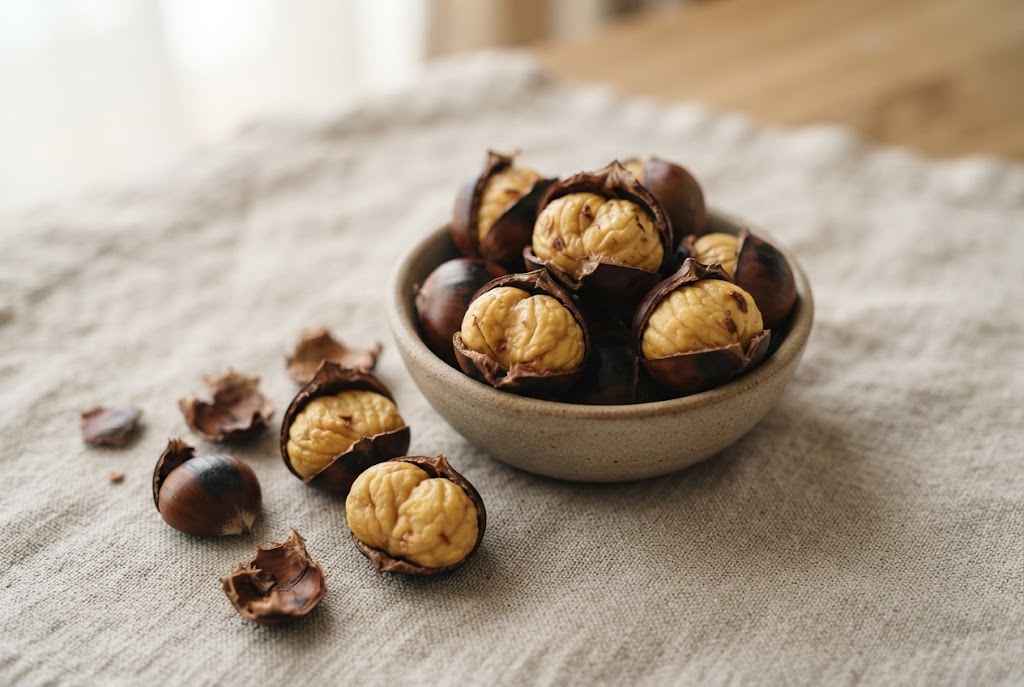
The seed of the sweet chestnut tree, cooked before eating. Sold in shell (roast or boil), vacuum-packed cooked, jarred, or as purée. Italian, French and Spanish chestnuts are the ones to look for; the season runs October to January.
- Taste
- sweet, starchy, faintly earthy, like sweet potato
- Texture
- soft, floury, crumbly — no crunch at all
- Look
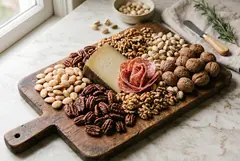
- irregular pale golden lobes
The mechanism is starch on a board that has none. Everything else is fat, salt, sugar, acid or crunch. Chestnut is the only ingredient that behaves like a carbohydrate, which makes it filling and comforting in a way nothing else on the board is — closer to what bread does than to what a nut does.
What it pairs with — and why
| Pair it with | Why it works |
|---|---|
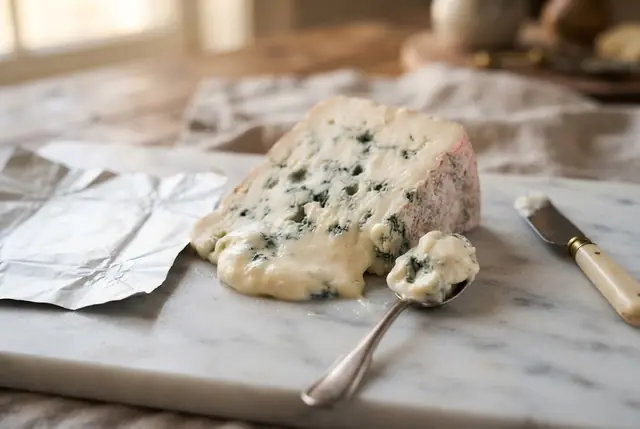
| Gorgonzola | Starchy sweetness against salt and funk. A classic northern Italian combination. |
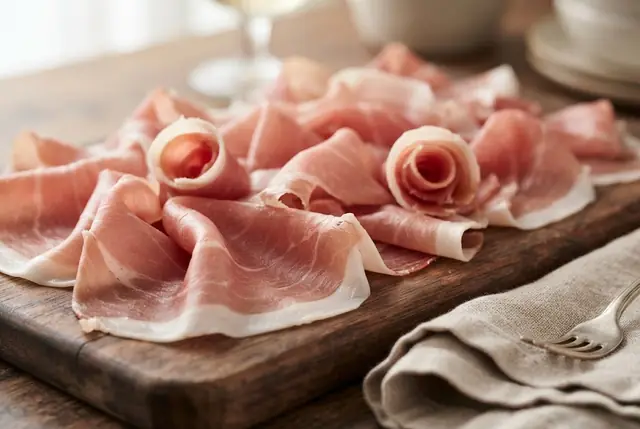
| Prosciutto | Salt and fat against soft starch, the way ham works with potatoes. |
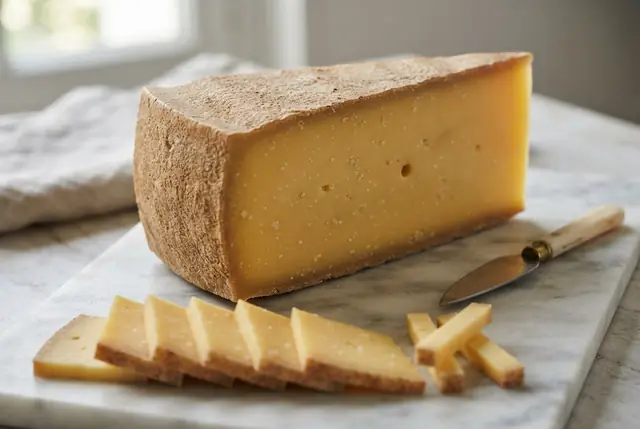
| Comté and gruyère | Alpine cheese and chestnut share a nutty sweetness and a winter context. |
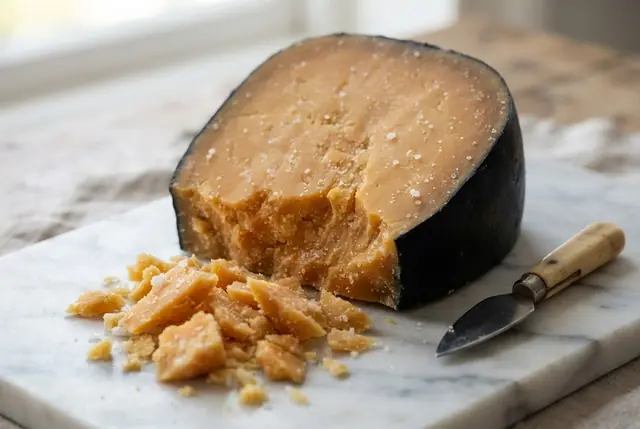
| Aged gouda | Caramel against earthy sweet. |
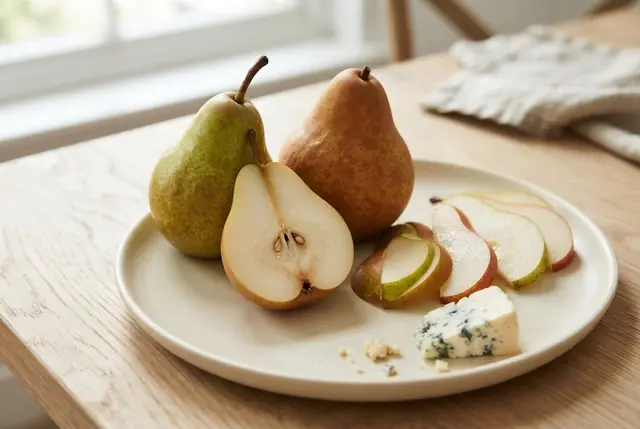
| Pears | Both autumn, both sweet and soft. |
| Mulled wine and dark beer | The seasonal context that makes chestnuts make sense. |
Skip it with: delicate summer ingredients. A chestnut on a board with burrata and berries makes no sense.
How to prep it for the board
- Score an X through the shell on the flat side of each nut with a sharp knife. This is not optional — unscored chestnuts explode.
- Roast at 425°F for 20–25 minutes, or in a pan over high heat, shaking.
- Peel while hot, wrapped in a towel. Cold chestnuts are almost impossible to peel.
- Or buy vacuum-packed, and warm them in butter and salt for five minutes. This is what most people should do.
- Serve warm, in a bowl or wrapped in a cloth napkin.
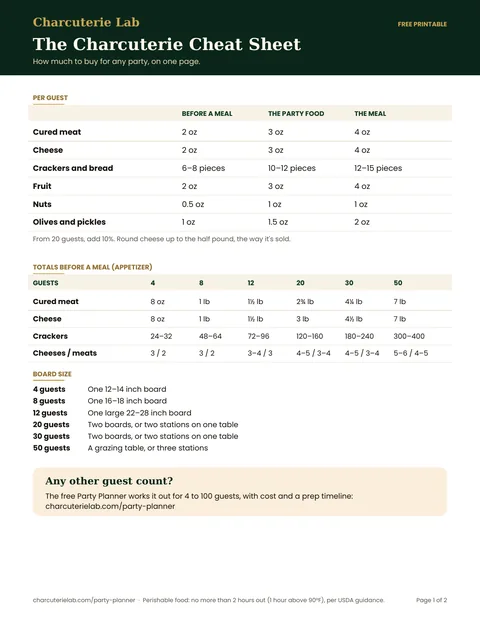
- Serve 1 oz per person.
- Fix: stubborn inner skin? That's normal and the main reason to buy them pre-peeled.
What to buy
| Product | Where | Notes |
|---|---|---|
| Fresh chestnuts in shell | Grocery, Italian markets, Oct–Jan | The real thing. Buy heavy, unwrinkled, glossy nuts. |
| Vacuum-packed cooked chestnuts | Grocery, Trader Joe's, seasonal | The practical choice. Warm in butter — genuinely good. |
| Jarred chestnuts in water | Italian delis | Drain well and warm. Softer than vacuum-packed. |
| Marrons glacés | French delis, Christmas | Candied chestnuts. A luxury dessert item, and spectacular. |
| Chestnut purée / crème de marrons | French delis | Sweet spread. Belongs with the jams, not the nuts. |
Label check: fresh chestnuts should be heavy and glossy with taut shells. A rattling or light chestnut has dried out inside.
Skip: horse chestnuts (conkers) — different tree, and not edible.
Quick FAQ
Do I have to score chestnuts before roasting?
Yes. Cut an X through the shell on the flat side, or they burst in the oven.
Are vacuum-packed chestnuts any good?
Yes. Warmed in butter with salt they're close to freshly roasted, and they skip the peeling entirely.
Why are chestnuts hard to peel?
The inner skin clings, especially once cool. Peel them while hot, wrapped in a towel.
What cheese goes with chestnuts?
Gorgonzola, comté and gruyère, and aged gouda.
When are chestnuts in season?
October through January. They don't keep well, so buy them fresh in that window.