The short version
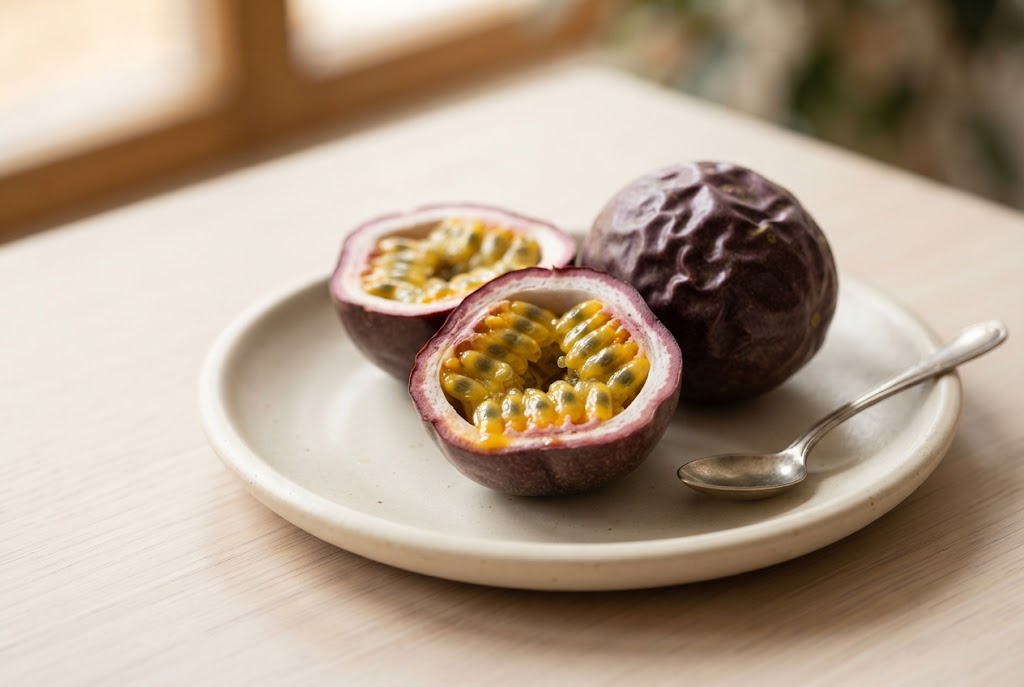
Not a fruit you eat beside cheese — a fruit you spoon onto it. Cut a passion fruit in half and you have two purple cups of intensely aromatic, seedy, sharp pulp that works exactly like a sauce. It's the strongest aroma on any board, and half a fruit goes a long way.
What it is
A vine fruit, purple or yellow, with a hard wrinkled shell and a hollow full of orange pulp suspended around crunchy black seeds. The pulp is very acidic and extraordinarily fragrant. Purple passion fruit is smaller and sweeter; yellow (maracuyá) is larger and sharper.
- Taste
- intensely tart, floral, tropical, faintly like guava
- Texture
- slippery gel with crunchy edible seeds
- Look
- wrinkled purple shells filled with glossy orange
The mechanism is aroma concentration. Passion fruit carries some of the highest concentrations of volatile esters of any fruit — which is why a teaspoon changes a whole bite, and why it's used as an accent everywhere rather than as a component. On a board it does the job a vinaigrette does on a salad.
What it pairs with — and why
| Pair it with | Why it works |
|---|---|
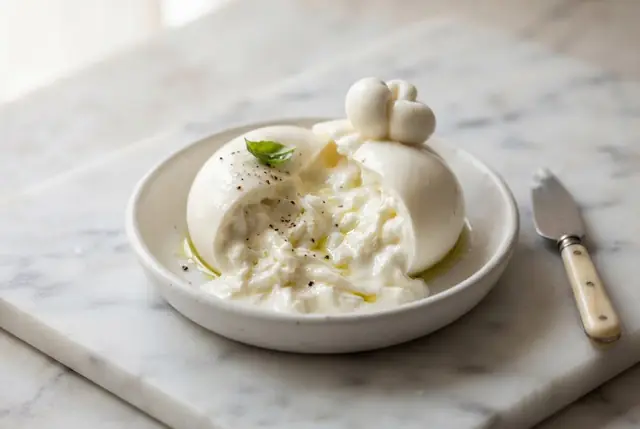
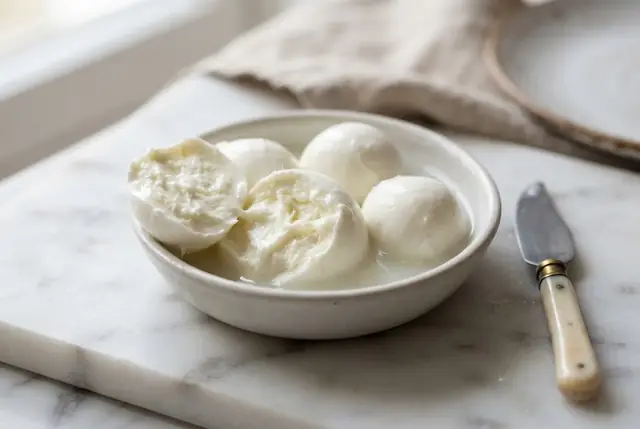
| Burrata | Spoon it straight over the top. Acid and perfume against cream, with olive oil and salt. The best use of both. |
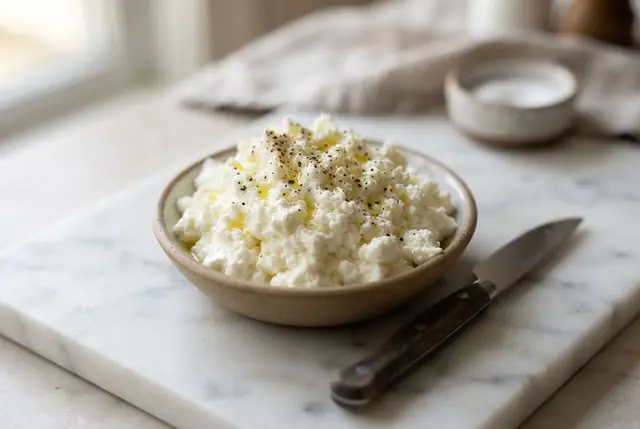
| Fresh ricotta | The pulp is the sauce; the ricotta is the base. Honey optional. |
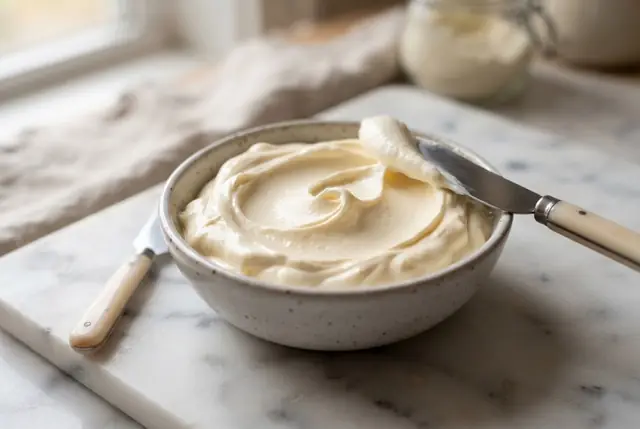
| Mascarpone | Rich, sweet, and flat on its own — passion fruit gives it an edge. Basically a deconstructed dessert. |
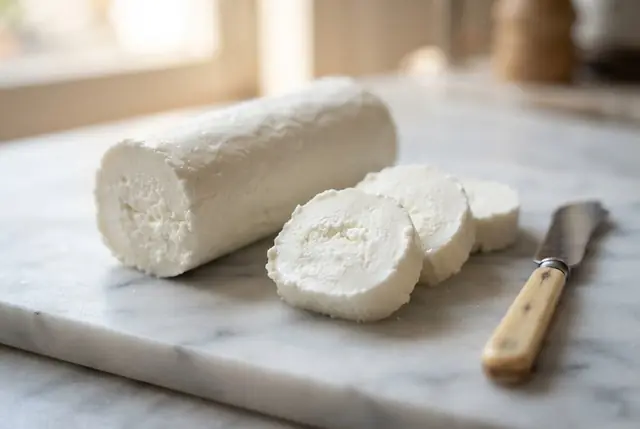
| Fresh goat cheese | Two sharp things that don't compete: lactic tang against fruit acid. |
| Fresh mozzarella | Mild milk plus loud fruit. A cleaner version of tomato and mozzarella for winter. |
| Prosecco | Not on the board, but it's the drink that makes the pairing make sense. |
Skip it with: cured meat and aged cheese. The aroma bulldozes both.
How to prep it for the board
- Buy them wrinkled. A smooth passion fruit is underripe and mouth-puckering; wrinkled skin means the sugars have developed.
- Halve crosswise with a serrated knife. The shell is tough.
- Serve the halves as cups on the board, with a small spoon. That's the presentation, and it's better than anything you could arrange.
- Or scoop the pulp into a small dish to spoon over cheese.
- Eat the seeds. They're crunchy and edible and provide the texture.
- Serve half a fruit per two people. It's an accent.
- Fix: too sharp? Stir a little honey into the scooped pulp. Don't dilute it with anything watery.
What to buy
| Product | Where | Notes |
|---|---|---|
| Purple passion fruit | Whole Foods, Latin and Asian markets | Smaller, sweeter, the one to buy. Look for heavily wrinkled skin. |
| Yellow passion fruit (maracuyá) | Latin markets | Larger and sharper. Better for sauces than for eating from the shell. |
| Frozen passion fruit pulp | Latin markets, freezer aisle | Excellent and much cheaper. Goya and Goya-type brands. Thaw and spoon. |
| Passion fruit purée (Boiron, Perfect Purée) | Specialty, online | Restaurant standard. Expensive, intensely concentrated, keeps in the freezer. |
Label check: wrinkles are ripeness, not age. Heavy for its size means full of pulp; a light one has dried out.
Skip: smooth, taut, shiny passion fruit — it will be painfully sour.
Quick FAQ
Do you eat passion fruit seeds?
Yes. They're crunchy, edible, and provide the texture. Straining them out leaves a thin juice.
How do I know when passion fruit is ripe?
The skin should be deeply wrinkled. Smooth means underripe.
How do I serve passion fruit on a board?
Halve it and set the halves out as cups with a small spoon, or scoop the pulp into a dish and spoon it over fresh cheese.
What does passion fruit go with?
Cream cheeses — burrata, ricotta, mascarpone, fresh goat cheese. It overwhelms cured meat and aged cheese.
Is frozen pulp as good?
For spooning over cheese, close enough, and much cheaper. The halved shells are better presentation.