The short version
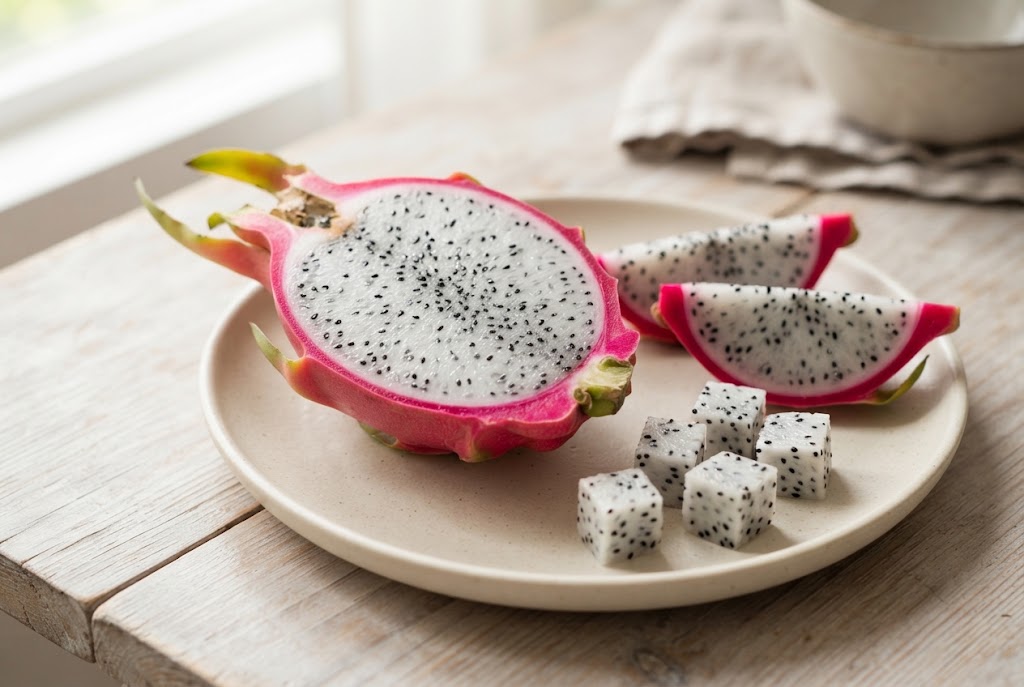
Pitaya: a cactus fruit with bright magenta leathery skin and speckled white flesh. The flavour is mild to the point of being faint. That is not a criticism — on a board it does a visual job no other fruit can, and its mildness is exactly why it can sit next to strong cheese without a fight. Buy it for a tropical or fusion board and cube it so people can see the black seeds.
What it is
The fruit of several climbing cactus species. White-fleshed is the common supermarket type; red or magenta-fleshed is sweeter, more expensive and stains everything it touches. Yellow-skinned pitaya is the sweetest of the three and the hardest to find.
- Taste
- faintly sweet, watery, with a hint of pear and kiwi
- Texture
- soft and yielding with tiny crunchy seeds throughout
- Look
- white or magenta flesh with fine black seeds, in a hot-pink shell
The mechanism is water and very little acid. The fruit is over 85 percent water and low in both sugar and acid, so it registers as texture and coolness more than flavour. That makes it the opposite of most board fruit, which is there to bring sharpness — dragon fruit is there to bring relief, and to be looked at.
What it pairs with — and why
| Pair it with | Why it works |
|---|---|
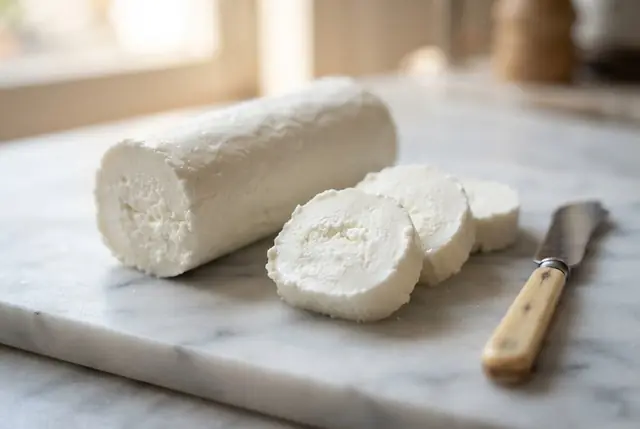
| Fresh goat cheese | The mildest fruit against the tangiest fresh cheese. The cheese supplies everything the fruit does not. |
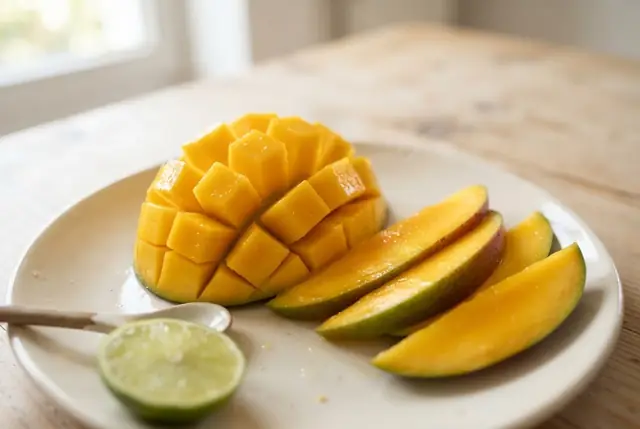
| Mango | Both tropical, and the mango brings the sweetness and acid the pitaya lacks. |
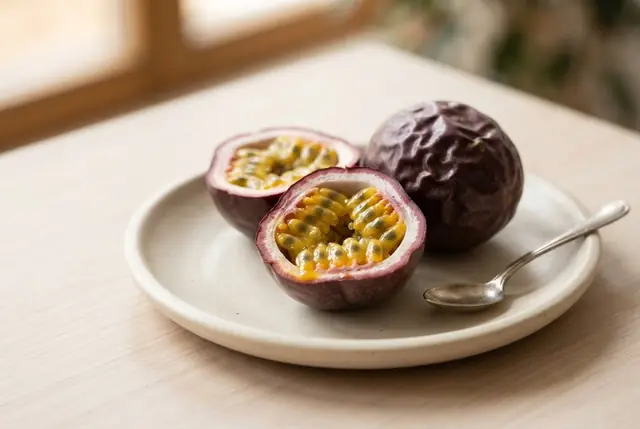
| Passion fruit | Spoon passion fruit pulp over cubed dragon fruit. Two minutes, and the flavour problem is solved entirely. |
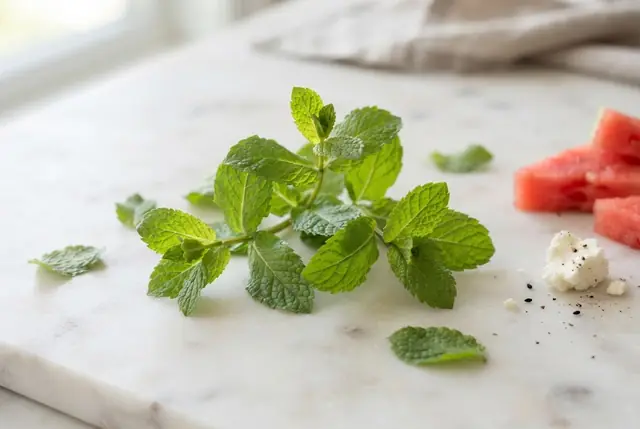
| Fresh mint | Cooling on cooling, and it makes the white flesh look deliberate rather than pale. |
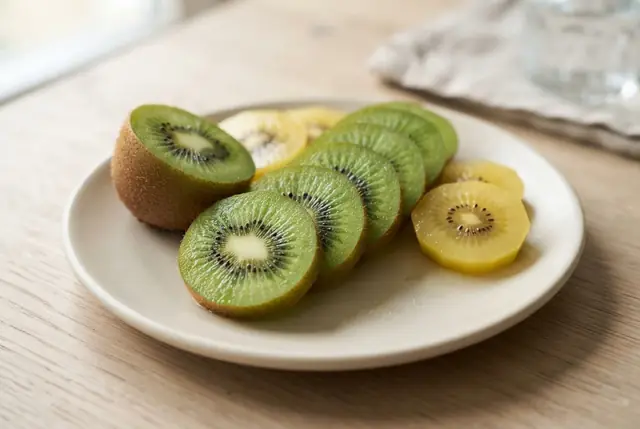
| Kiwi | Similar texture, similar seeds, far more acid. They flatter each other. |
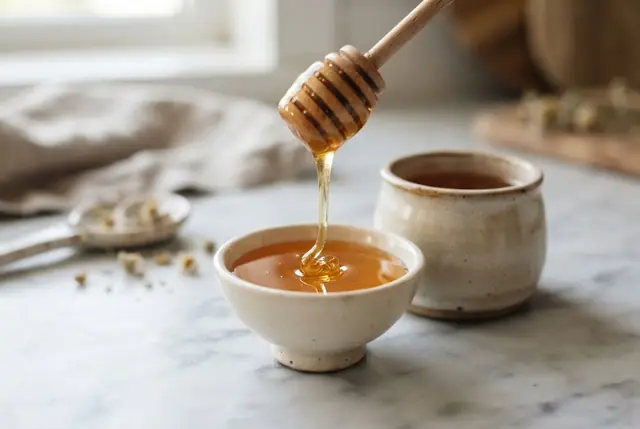
| Honey | A thread of honey over the cubes fixes the mildness without hiding the look. |
Skip it with: blue cheese, cured meat and anything salty. It disappears entirely.
How to prep it for the board
- Halve it lengthways and scoop the flesh out with a large spoon.
- Cube it rather than slicing thin. Cubes hold their shape and show the seeds.
- Keep one half-shell and serve the cubes in it if you want a centerpiece.
- Dress it — lime juice, honey or passion fruit. It needs help.
- Serve 1.5 oz per person.
- Cut it close to serving. It weeps after an hour.
- Fix: tasting of nothing? It was under-ripe, and no dressing fully fixes that. Buy it soft, like an avocado.
What to buy
| Product | Where | Notes |
|---|---|---|
| White-fleshed pitaya | Asian grocers, larger supermarkets | The common one. Mild, tidy, does not stain. |
| Red-fleshed pitaya | Asian grocers, specialty | Sweeter and far more dramatic. Stains hands and boards. |
| Yellow pitaya | Specialty, occasionally | The sweetest and best-tasting. Rare and expensive. |
| Frozen dragon fruit cubes | Freezer aisle | For colour when fresh is unavailable. Texture suffers. |
| Dried dragon fruit | Health food shops | Chewy and sweet. A different ingredient, useful on a snack board. |
Label check: buy by feel. Slight give under the thumb and fins that are still red rather than brown and dry.
Skip: rock-hard fruit. It does not ripen usefully after picking.
Quick FAQ
What does dragon fruit taste like?
Very mild — somewhere between a kiwi and a pear, with almost no acidity. It is bought for its appearance more than its flavour.
Which variety should I buy?
The red-fleshed variety tastes noticeably sweeter and looks even more dramatic, but it stains. White-fleshed is milder and tidier.
How do you cut it?
Halve it lengthways, scoop with a spoon, then slice or cube. The skin is not edible.
How do you know if it is ripe?
It should give slightly under a thumb, like an avocado, and the leathery fins should still be reddish rather than brown.
How much per person?
About an ounce and a half. Half a fruit covers a small board.