The short version
Marmalade is the one preserve that's genuinely bitter, and bitterness is what a rich board runs out of. A spoonful next to sharp cheddar or stilton does something no fig jam can. Buy Seville orange, thick-cut — the fine-shred sweet stuff is closer to jelly.
What it is
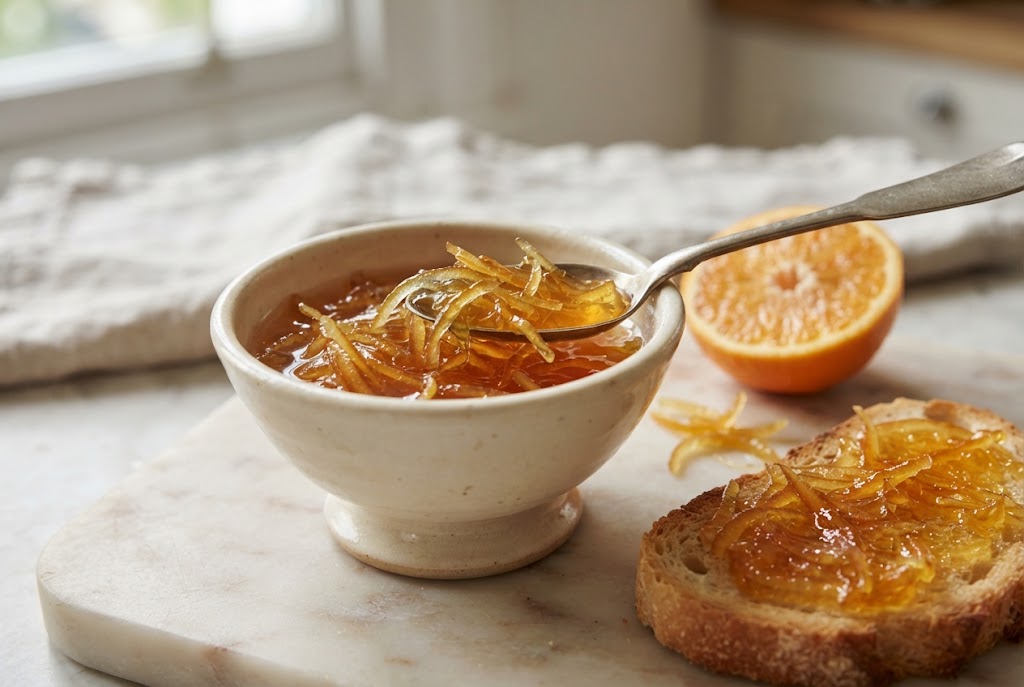
Citrus preserve made with the peel as well as the flesh, which is where the bitterness lives. Seville oranges are the traditional marmalade fruit — too sour to eat raw, ideal cooked. Cut is graded from fine shred to thick cut, meaning how coarsely the peel is sliced.
- Taste
- sweet, sharply acidic, distinctly bitter on the finish
- Texture
- set jelly suspending strips of peel
- Look
- amber to deep orange, translucent, shot through with peel
The mechanism is a three-part sequence: sugar, acid, then bitterness from the pith. Nothing else on a board delivers all three, which is why marmalade can follow a very rich mouthful and genuinely reset it. It's also why it divides people — the bitterness is not incidental, it's the product.
What it pairs with — and why
| Pair it with | Why it works |
|---|---|
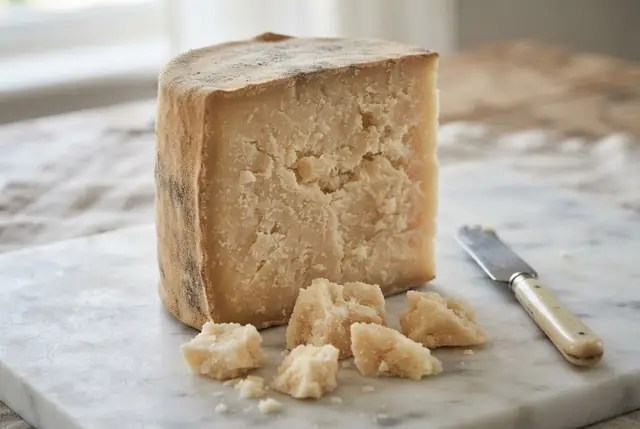
| Aged cheddar | The British pairing. Sharp cheese, bitter-sweet peel — both are assertive and neither backs down. |
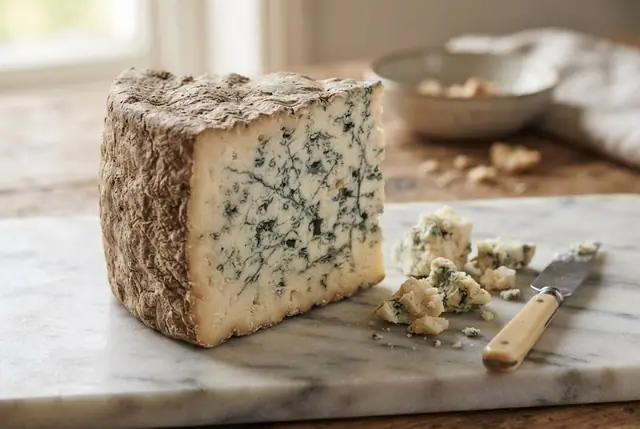
| Stilton and blue cheese | Bitterness handles the fat where sugar alone would only mask the salt. |
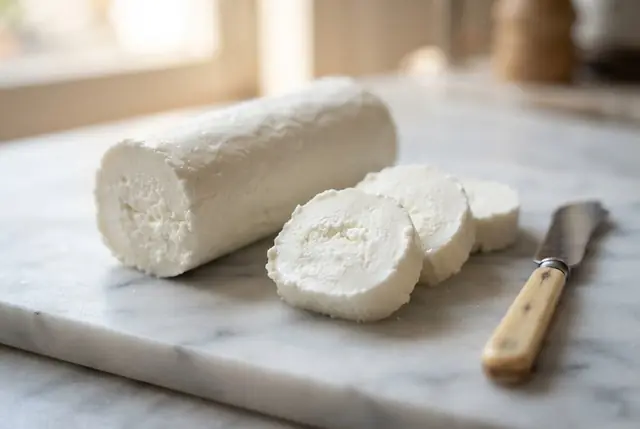
| Fresh goat cheese | Lactic tang plus citrus acid plus bitter peel. Three sharp things that stack rather than clash. |
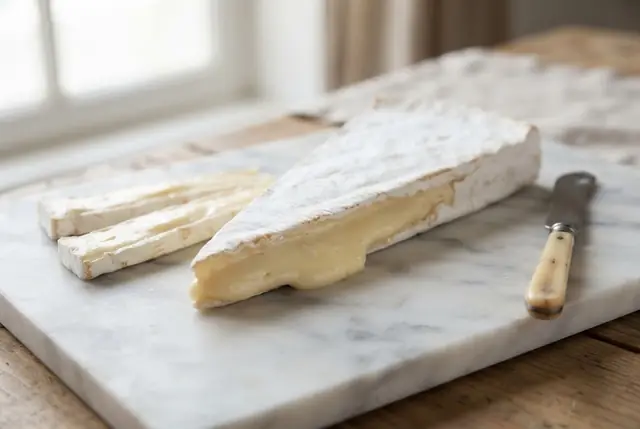
| Brie | Acid and bitterness slicing soft fat; better than a sweet jam on a very ripe brie. |
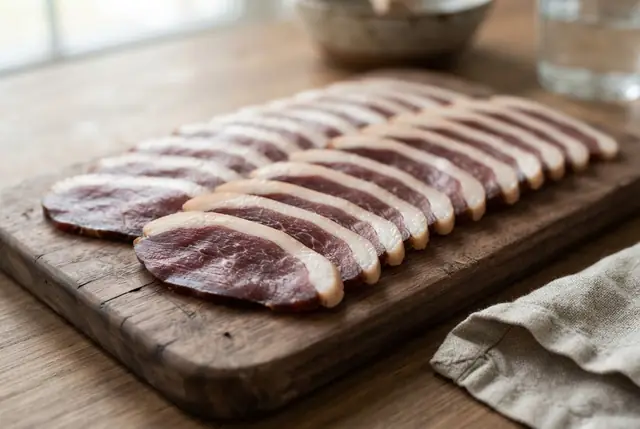
| Duck prosciutto | Orange with duck is classical, and the bitterness cuts the fat. |
| Dark chocolate | The dessert corner. Orange and chocolate, unchanged for centuries. |
Skip it with: delicate fresh cheeses like burrata and mozzarella. Marmalade will bury them.
How to prep it for the board
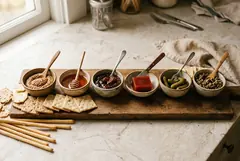
- Decant into a small bowl with its own spreader.
- Buy thick-cut. The peel is the texture and the bitterness both.
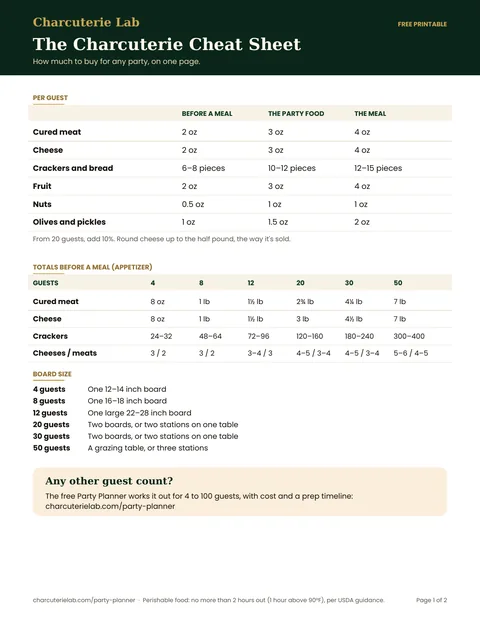
- Serve 0.5 oz per person — it's assertive, and people take less of it.
- Put it beside the cheddar or the blue.
- Tell people it's marmalade. Some will love it and some won't touch it, and both are fine.
- Warm it slightly to loosen if it's very set.
- Fix: too bitter for the room? A milder sweet-orange marmalade or a blood-orange version is gentler.
What to buy
| Product | Where | Notes |
|---|---|---|
| Seville orange marmalade, thick cut | Grocery, British sections | The proper one. Bitter, sharp, coarse peel. |
| Frank Cooper's Oxford | British delis, online | The benchmark. Dark and very bitter. |
| Bonne Maman orange marmalade | Any grocery | Sweeter and finer-cut. A gentler entry point. |
| Blood orange marmalade | Specialty, Italian delis | Less bitter, more berry. Excellent with goat cheese. |
| Whisky or ginger marmalade | British delis | Both work well with cheddar. |
Label check: "thick cut" or "coarse cut" on the front, Seville oranges in the ingredients. Fine-shred sweet-orange marmalade is a much milder product.
Skip: orange jelly with no peel — that's just sugar.
Quick FAQ
What cheese goes with marmalade?
Aged cheddar above all, plus stilton and blue cheeses, fresh goat cheese, and brie.
Why is marmalade bitter?
It's made with the peel and pith, which carry bitter compounds. That bitterness is the point.
Seville or sweet orange marmalade?
Seville for a cheese board — it's sharper and more bitter. Sweet orange versions are much milder.
What does thick cut mean?
How coarsely the peel is shredded. Thick cut gives more texture and more bitterness.
How much per person?
About half an ounce. It's assertive, so people use less of it than fig jam.