The short version
Where rosemary is structural, thyme is edible. The leaves are small and soft enough to scatter over goat cheese or into a pot of honey, and unlike rosemary people will actually eat them. It's the herb that makes a plain cheese look finished.
What it is
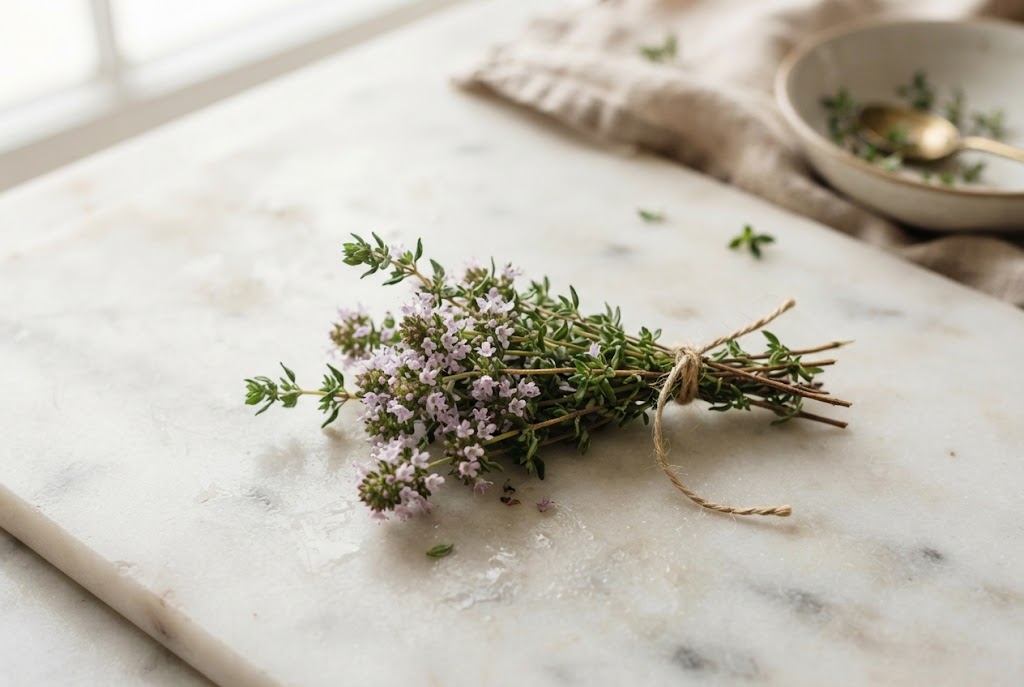
Small soft leaves on thin woody stems. Common thyme is the standard; lemon thyme is citrusy and excellent with fresh cheese. The leaves strip off the stem by running your fingers down it against the direction of growth.
- Taste
- earthy, faintly floral, mildly peppery, less resinous than rosemary
- Texture
- tiny soft leaves, edible raw
- Look
- small grey-green leaves, sometimes with pale flowers
The mechanism is scale. Rosemary needles are too big and too tough to eat raw; thyme leaves are small enough to disappear into a bite while still carrying aroma. That means it's the one fresh herb that can be a flavour ingredient on a cold board rather than only a decoration.
What it pairs with — and why
| Pair it with | Why it works |
|---|---|
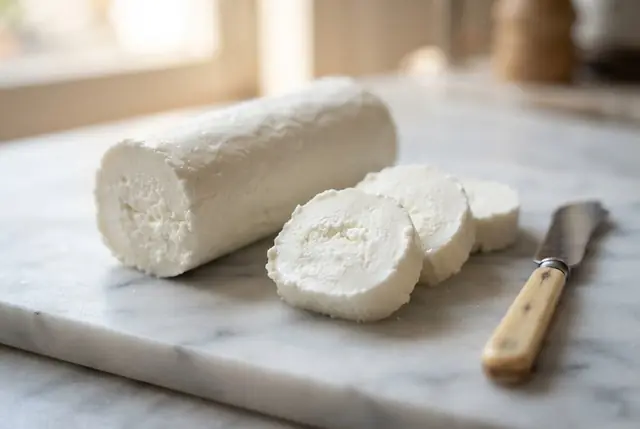
| Fresh goat cheese | Scatter over a log with olive oil and pepper. Earthy herb against lactic tang, and it looks deliberate. |
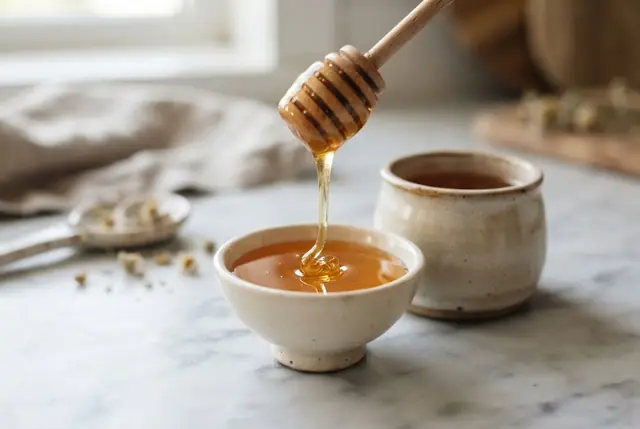
| Honey | Drop a sprig into the pot. Thyme honey is a product in its own right, and it takes twenty minutes to imitate. |
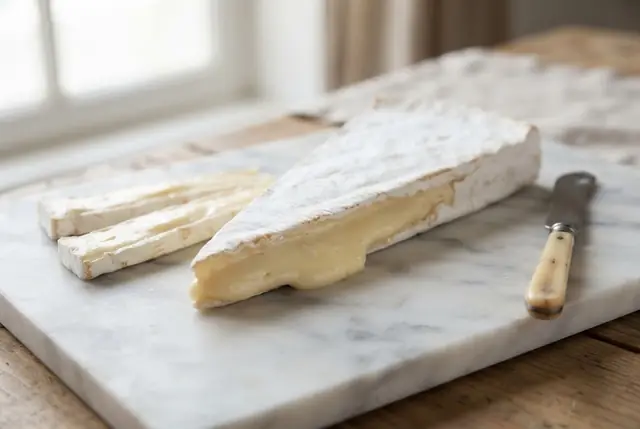
| Brie and soft-ripened cheese | Bloomy rinds carry earthy mushroom notes that thyme extends. |
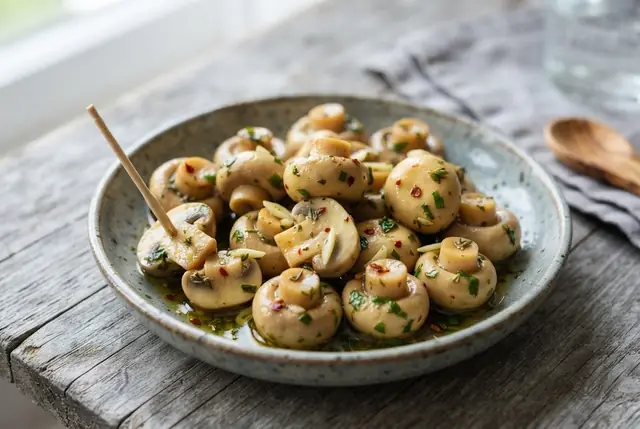
| Marinated mushrooms | Thyme and mushroom is a fixed pairing in cooking, and it holds cold. |
| Baguette and warm bread | Scattered with oil and salt on warm bread. |
| Roasted vegetables and peppers | Standard, and useful if the board leans vegetable. |
Skip it with: strongly spiced things. Thyme is subtle and gets buried.
How to prep it for the board
- Strip the leaves by running your fingers down the stem against the growth direction.
- Scatter the leaves, don't lay the stems — that's rosemary's job.
- Leave a few whole sprigs for the honey pot or tucked beside a cheese.
- Rinse and dry well. Wet herbs bead on cheese.
- Add it last. The aroma fades within the hour.
- Use lemon thyme with fresh goat cheese if you can find it — it's a real upgrade.
- Fix: stems too woody to strip? Those are old. The stems should be flexible.
What to buy
| Product | Where | Notes |
|---|---|---|
| Fresh thyme clamshell | Any grocery | A dollar or two. Keeps about ten days in the fridge. |
| Lemon thyme | Farmers markets, garden centres | Citrusy and floral. Excellent with fresh cheese and honey. |
| A thyme plant | Garden centre | Cheap, hardy, and always available for a scatter. |
| Thyme flowers | Farmers markets, summer | Tiny purple flowers, edible. Beautiful on white cheese. |
| Fresh rosemary | Grocery | The structural counterpart. Its own page. |
Label check: leaves should be firmly attached and the stems flexible. A clamshell with loose leaves rattling at the bottom is old.
Skip: dried thyme for board use. It looks like dust and tastes like it.
Quick FAQ
Can you eat fresh thyme raw?
Yes — the leaves are small and soft enough to eat, unlike rosemary needles.
How do I strip thyme leaves?
Hold the top of the stem and run your fingers down it against the direction the leaves grow. They come off in one motion.
What do I scatter thyme on?
Fresh goat cheese, brie, marinated mushrooms, and warm bread with oil. Drop a sprig into a honey pot too.
Thyme or rosemary for a board?
Both. Rosemary fills gaps and provides aroma; thyme is edible and gets scattered over the food.
What is lemon thyme?
A citrusy variety. Noticeably better than common thyme with fresh cheese and honey.