The short version
A lightly sweet wholemeal biscuit that Britain has been eating with sharp cheddar for over a century. To an American board it looks like putting cheese on a cookie. It works — and once you understand why, it changes how you think about sweet-and-salty pairings generally.
What it is
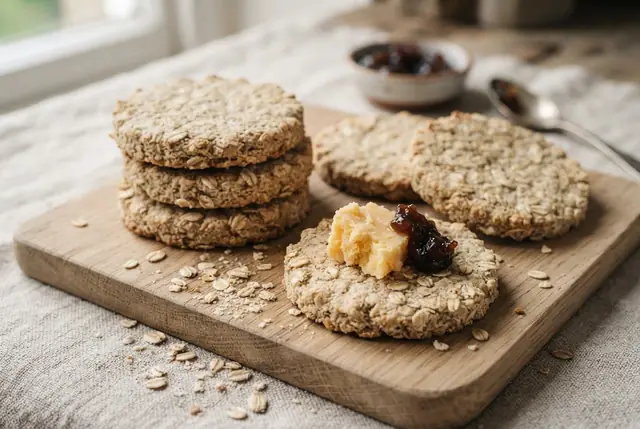
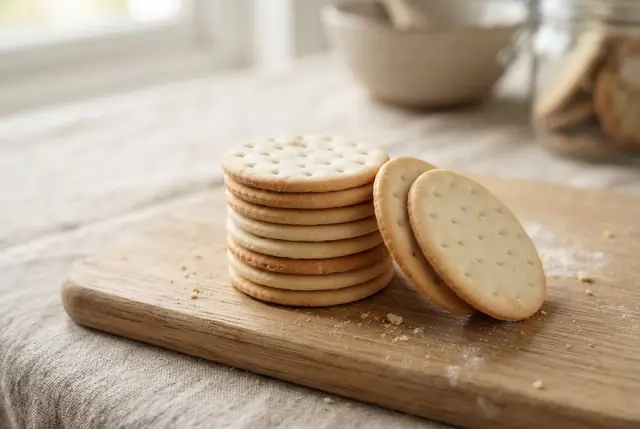
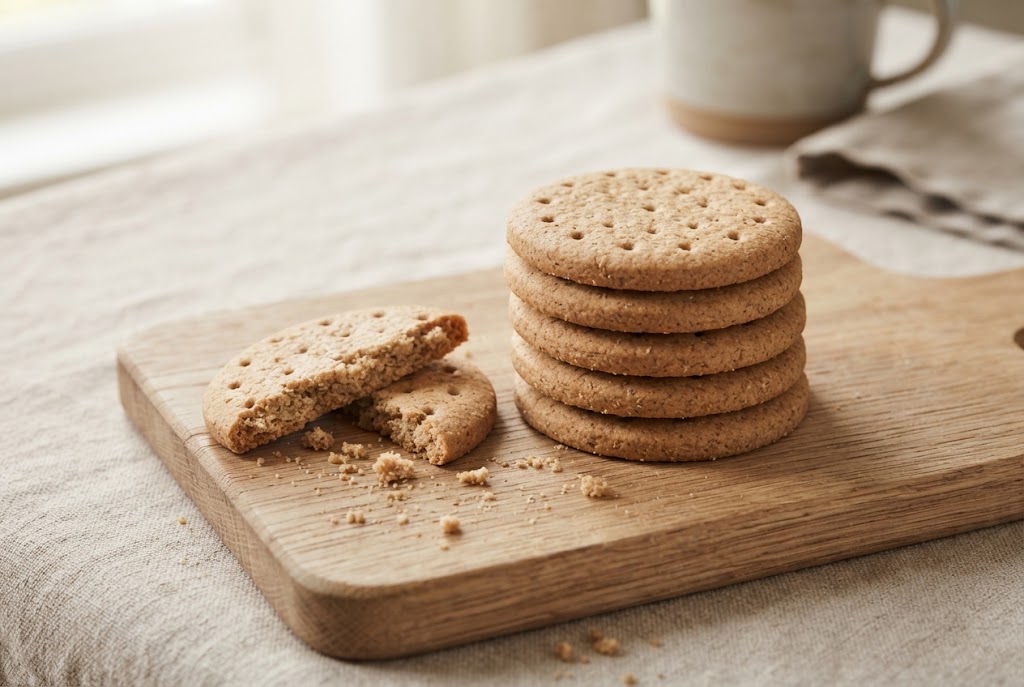
Invented in Scotland in the 1830s and originally marketed as an aid to digestion because of the baking soda in them (the claim was nonsense; the name stuck). Coarse wholemeal flour, a little sugar, butter or vegetable fat, and malt. The result is halfway between a cracker and a cookie.
- Taste
- malty, wheaty, gently sweet
- Texture
- crumbly and sandy, closer to shortbread than to a cracker
- Look
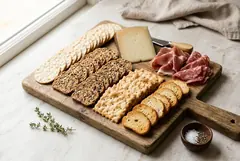
- pale brown rounds, docked with holes, slightly domed
Sweetness against salt is the mechanism, and it's the same one behind every combination you already accept — fig jam with brie, honey with blue, membrillo with Manchego. The only difference is that here the sugar is baked into the base rather than spooned on top. Once you see it that way, a digestive under cheddar stops being strange and starts being efficient.
What it pairs with — and why
| Pair it with | Why it works |
|---|---|
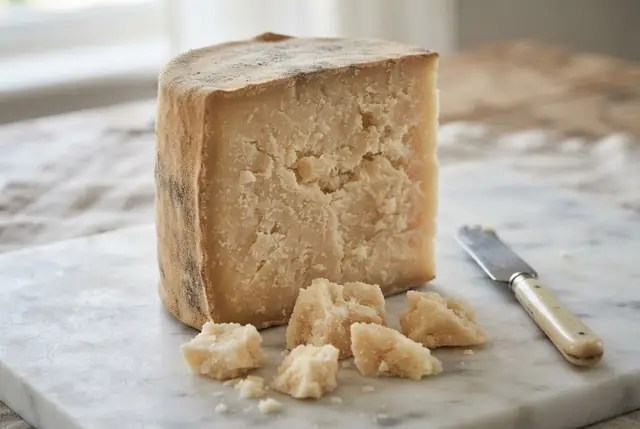
| Sharp or extra-mature cheddar | The classic British pairing. Malt sweetness rounds the cheese's acid bite exactly the way chutney does. |
| Blue cheese | Sweet-and-salty at full volume. The biscuit's crumble also handles a wet blue well. |
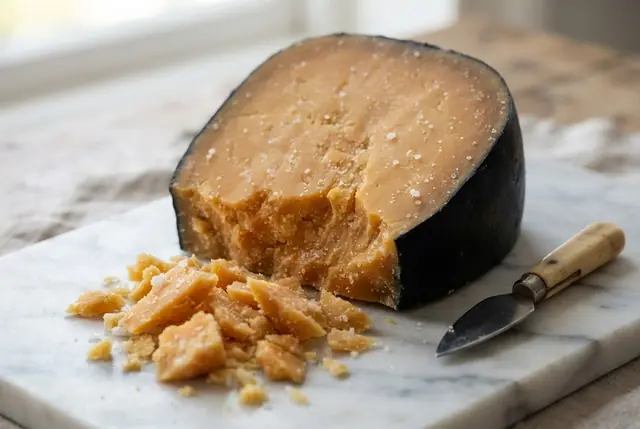
| Aged gouda | Butterscotch in the cheese, malt in the biscuit. A direct echo. |
| Cream cheese and jam | The dessert-adjacent direction, and it's very good. |
| Butter and a slice of hard cheese | The unadorned British version. Genuinely worth trying once. |
| Chocolate, on a dessert board | Their other home. The chocolate-coated versions exist for a reason. |
| Strong tea, stout, port | The drinks Britain actually serves these with. |
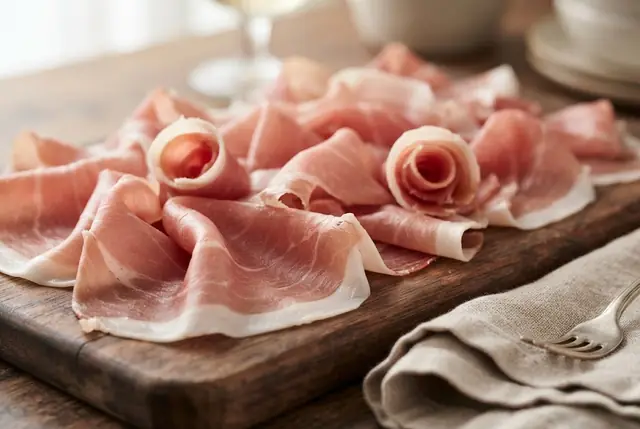
Skip it with: cured meats. Prosciutto or salami on a sweet biscuit is a genuinely bad bite, and it's the mistake people make when they put these on a mixed board without thinking. Delicate fresh cheeses lose too.
How to prep it for the board
- Put them on the cheese half and nowhere near the meat. This is the one rule that keeps them from failing.
- Serve 2–3 per person. They're rich and filling.
- Break a few in half. Whole, they read as cookies; broken, they read as a base.
- Set them beside the sharpest cheddar you have with a slicer. That's the pairing that converts people.
- Expect skepticism and lean into it. A small card saying "cheddar goes on this — trust us" is a genuinely good board move.
- Fix: they go soft in humidity. 3 minutes at 300°F restores the snap.
What to buy
| Product | Where | Notes |
|---|---|---|
| McVitie's Digestives, Original | Grocery international aisle, Target, Amazon, World Market | The definitive version. The only one you need. |
| McVitie's Hobnobs | Same | Oatier and chunkier. Also excellent with cheddar, and better with blue. |
| Store-brand British digestives | British import shops, Amazon | Fine. The category is consistent. |
| McVitie's Chocolate Digestives | Same aisle | For a dessert board only. Not a cheese base. |
| Nairn's oatcakes | Whole Foods | The savory sibling. If digestives feel like a step too far, start there. |
Label check: wholemeal or whole wheat flour should be high in the list. That coarse flour is what keeps them from being straightforwardly a cookie.
Skip: the chocolate-coated versions on a cheese board. Sweet biscuit under cheddar works; chocolate under cheddar does not.
Quick FAQ
Do British people really eat cheese on digestive biscuits?
Yes, routinely, and have for generations. Sharp cheddar is the standard.
Why does sweet biscuit work with cheese?
Same reason fig jam and honey do. The sugar balances the cheese's salt and acid — it's just baked in rather than spooned on.
Are digestives actually good for digestion?
No. The name came from an 1830s marketing claim about baking soda. It was never true.
How many per person?
2–3. They're substantial.
Where do I find them in the US?
The international aisle at most grocery stores, plus Target, World Market and Amazon.