The short version
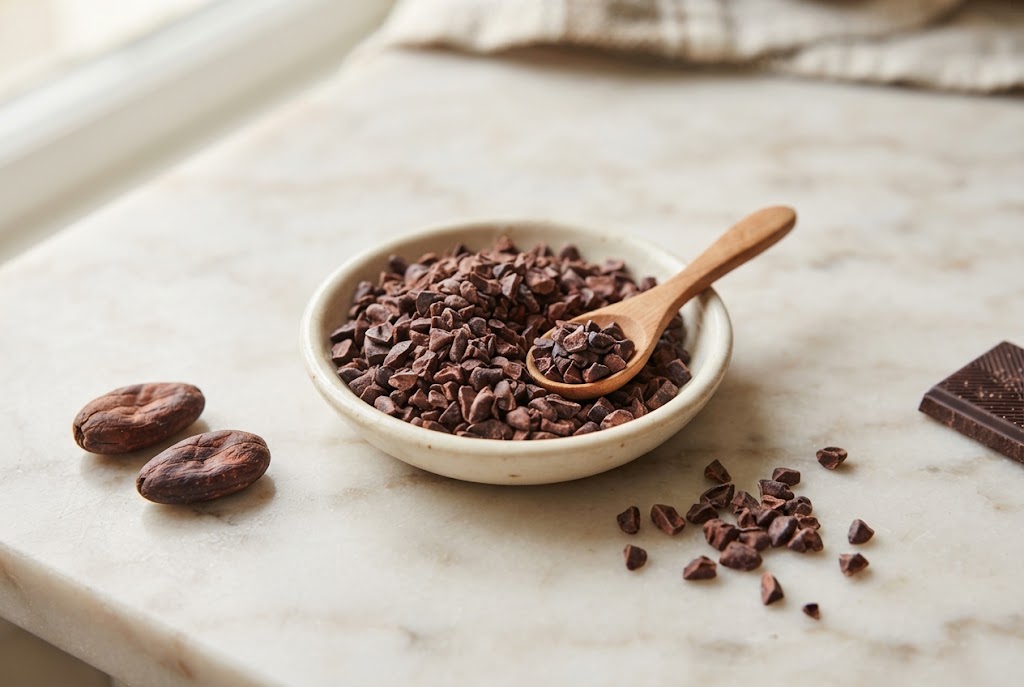
Cacao beans, fermented, roasted and cracked into pieces. This is chocolate before sugar and milk are added, so it is bitter, roasted and completely dry. On a dessert board it is the crunch and the bitterness that everything sweet is missing, and a small bag lasts through a dozen boards.
What it is
The raw material of all chocolate. After harvest the beans ferment in their pulp, which develops the flavour precursors; roasting develops them further; cracking and winnowing removes the husk. What remains is roughly half cocoa butter by weight, which is why nibs feel rich despite being dry.
- Taste
- deeply bitter, roasted, faintly fruity, with no sweetness at all
- Texture
- hard, crisp, snapping like a coffee bean
- Look
- dark red-brown irregular chips
The mechanism is bitterness as a reset. Sugar and fat both coat the palate, and a dessert board goes flat by the third bite because nothing clears them. Bitter compounds do clear them — which is why a scatter of nibs over something sweet makes the next mouthful taste as sharp as the first.
What it pairs with — and why
| Pair it with | Why it works |
|---|---|
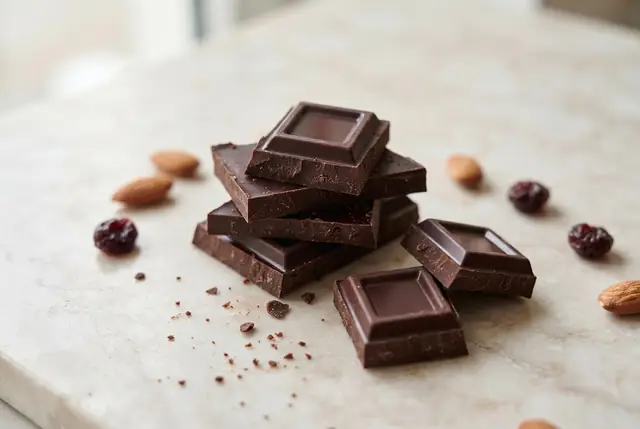
| Dark chocolate | The finished product beside the raw one. It shows people what chocolate actually is. |
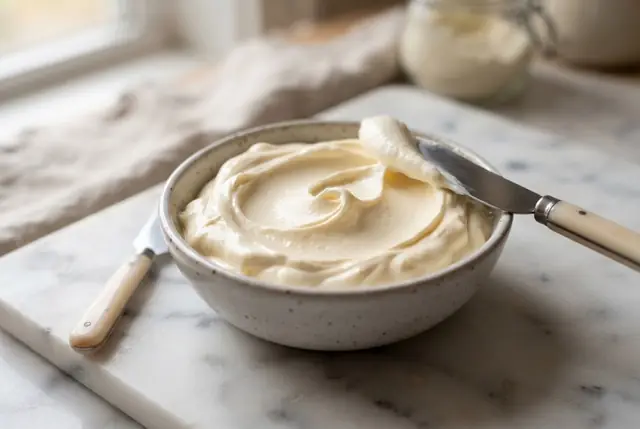
| Mascarpone | Sweet cream with bitter crunch is the whole idea in two ingredients. |
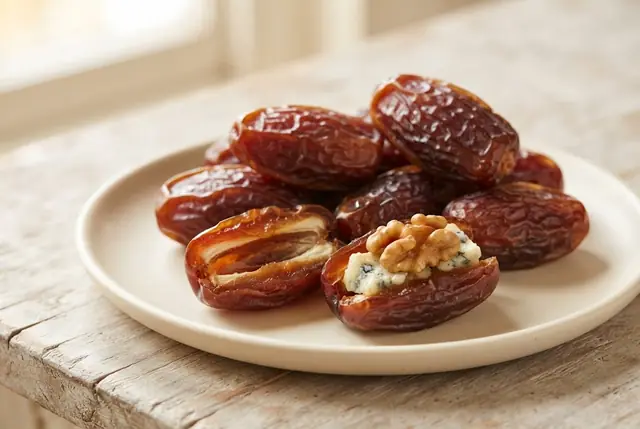
| Medjool dates | Caramel-sweet and soft. Nibs pressed into a split date is close to a confection. |
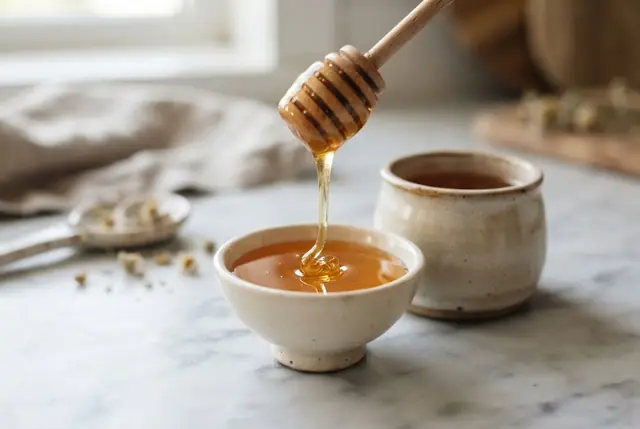
| Honey | Drizzle first, scatter second. The nibs stick and the bitterness cuts the sugar. |
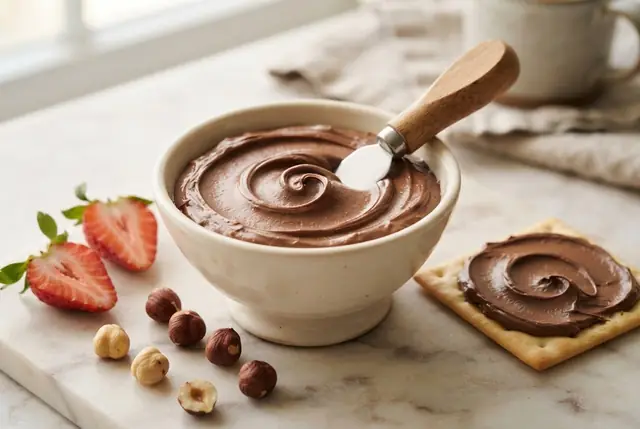
| Chocolate hazelnut spread | Adds the texture and the bitterness the spread lacks. |
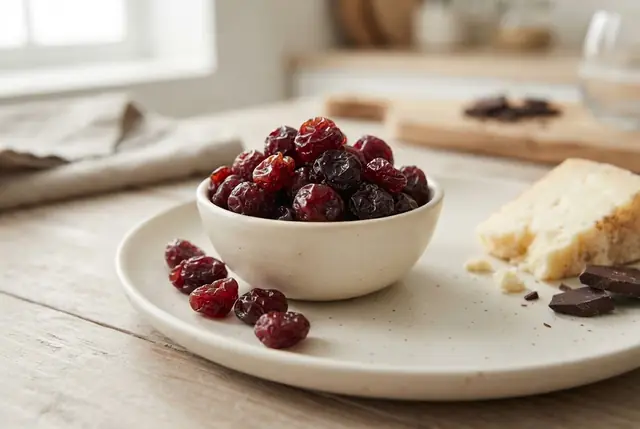
| Dried cherries | Fruit acid, chocolate bitterness. The classic black forest logic. |
Skip it with: cured meat and brined items. Nibs are a dessert-corner ingredient only.
How to prep it for the board
- Scatter, do not pile. A mound of nibs is unpleasant to eat.
- Put them on something soft or sweet so the bitterness has a partner.
- Toast them for two minutes in a dry pan if they smell flat. It wakes them up.
- Crush some coarsely if you want them to stick to a spread.
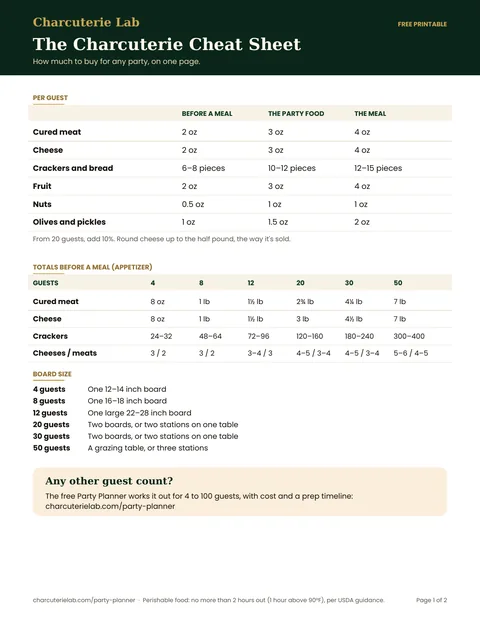
- Serve 0.25 oz per person.
- Keep them in the dessert corner, well away from cheese.
- Fix: too bitter for the room? Toss them with a spoonful of honey and a pinch of salt. They become a candied crunch and everyone eats them.
What to buy
| Product | Where | Notes |
|---|---|---|
| Roasted cocoa nibs | Health food shops, specialty grocers | The default. Deep, roasted, reliably bitter. |
| Raw cacao nibs | Health food shops | Fruitier and more acidic, less roasted. Some people prefer them. |
| Single-origin nibs | Chocolate shops, online | Genuinely different by origin — Madagascar is bright, Ecuador is floral. |
| Honey-coated or candied nibs | Specialty | Sweetened and much easier to like. Good on a family board. |
| Nibs in dark chocolate bars | Chocolate shops | Not the same ingredient, but a good way to get the texture. |
Label check: cacao beans and nothing else. Sugar in the ingredients means a candied product, which is fine but different.
Skip: anything sold as cocoa powder or drinking chocolate. Different form, different job.
Quick FAQ
What do cocoa nibs taste like?
Intensely bitter, roasted and nutty. Like unsweetened dark chocolate with a crunch. Not sweet at all.
Can you eat cocoa nibs on their own?
You can, but most people find them too bitter. On a board they belong scattered over something sweet or creamy.
Are cocoa nibs the same as cacao nibs?
Same thing. Cacao usually implies less roasting and a fruitier, more acidic flavour.
Do they contain caffeine?
A little, plus theobromine. Roughly comparable to dark chocolate by weight.
How much per person?
A quarter ounce. They are a scatter, not a serving.