The short version
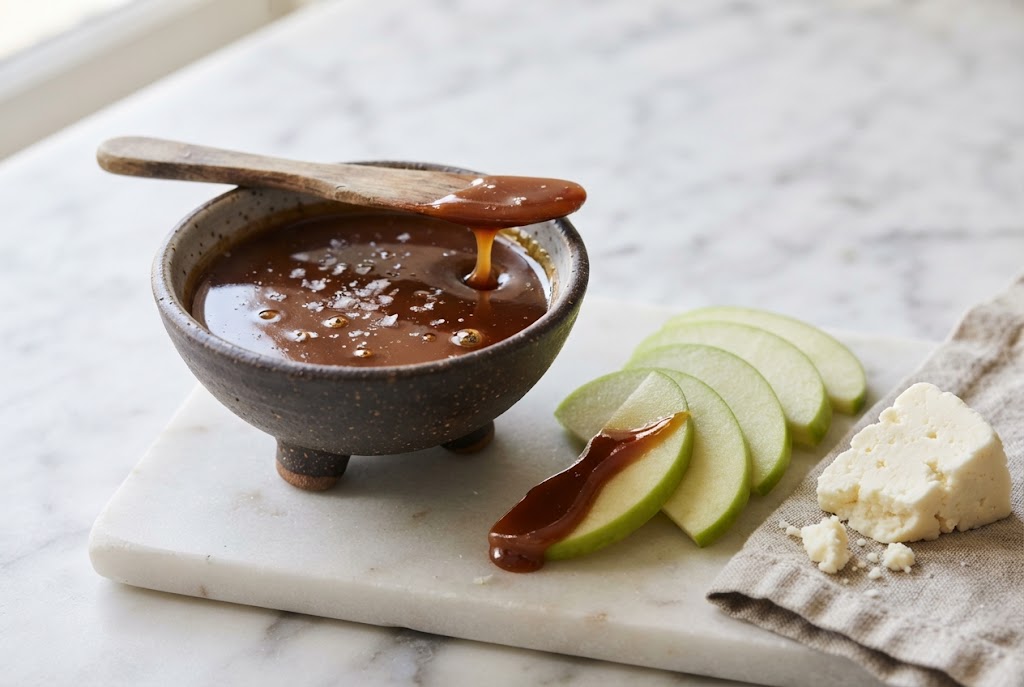
Mexican caramel made from goat's milk and sugar, cooked low for hours until it's thick, glossy and the color of mahogany. It's like dulce de leche with more personality: deeper, a little tangy, and less cloying. Put it next to a salty cheese and a stack of apple slices and watch it vanish.
What it is
Cajeta comes from central Mexico, and the town of Celaya in Guanajuato is famous for it. Goat's milk (often mixed with cow's milk) is simmered with sugar and a pinch of baking soda, stirred constantly, until most of the water cooks off and the milk sugars brown. Styles include plain, quemada (burnt, darker) and envinada (with a splash of liquor).
- Taste
- deep caramel, toasted milk, a light tang, a faint salty edge
- Texture
- thick, smooth and pourable when warm
- Look
- glossy mahogany-brown
Two things are happening. Long cooking browns the milk sugars and proteins together through the Maillard reaction, which gives cajeta its deep, toasted flavor. The baking soda raises the pH, which speeds browning and keeps the milk from curdling. Goat's milk adds short-chain fatty acids that read as a faint tang, the reason cajeta tastes less one-note than other caramels.
What it pairs with — and why
| Pair it with | Why it works |
|---|---|
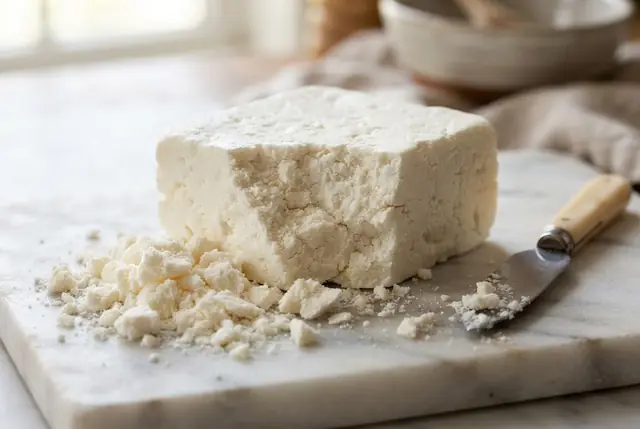
| Cotija | Salty, crumbly Mexican cheese against sweet caramel. A natural match. |
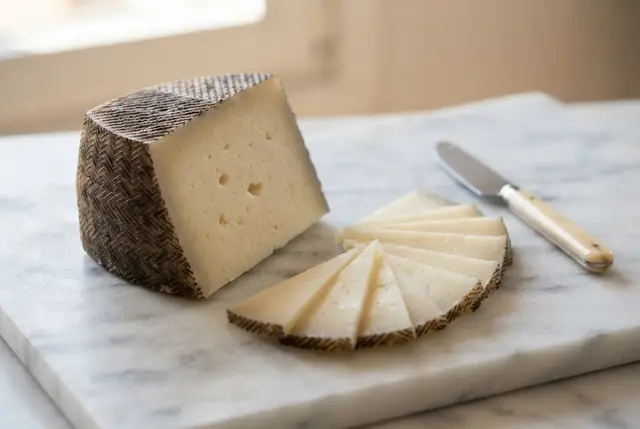
| Manchego | Nutty, salty sheep's milk against deep caramel. |
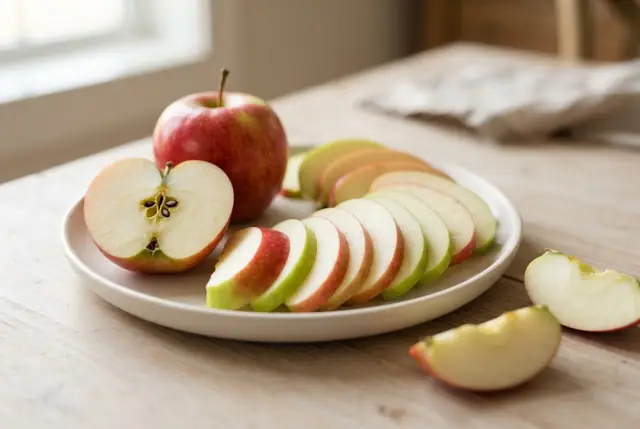
| Apple slices | Tart, crisp fruit for dipping. The easiest crowd-pleaser. |
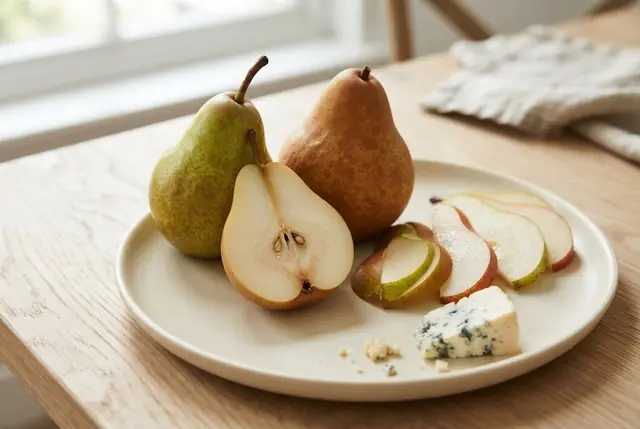
| Pears | Softer and floral, a gentler dipper. |
| Toasted pecans | Crunch and buttery nuttiness. |
| Mexican hot chocolate, añejo tequila or a coffee stout | Warm, roasty flavors that match caramel. |
Skip it with: blue cheese and sharp pickles. Blue and caramel can work in a dessert, but on a mixed board the funk clashes with the goat's milk tang.
How to prep it for the board
- Warm it slightly. 10 to 15 seconds in the microwave makes it pourable.
- Serve about 1 tablespoon per person.
- Pour it into a small bowl with a spoon, or drizzle a thin line over a wedge of cheese.
- Sprinkle with flaky salt to sharpen the caramel.
- Place it beside the apples and the salty cheese in the sweet corner.
- Fix: if it's too thick after chilling, stir in a teaspoon of warm milk.
What to buy
| Product | Where | Notes |
|---|---|---|
| Coronado Cajeta | Mexican grocers, Hispanic aisle, Walmart | The classic brand from Celaya. Plain and envinada. |
| Fat Toad Farm Goat's Milk Caramel | Whole Foods, specialty shops, online | Vermont-made, all goat's milk, several flavors. |
| Cajeta Quemada | Mexican grocers | Darker and more bitter. Great with cheese. |
| Dulce de leche | Any grocery store | The cow's milk cousin if you can't find cajeta. |
| Cotija | Grocery, Hispanic aisle | The salty partner. See its own page. |
Label check: goat's milk ("leche de cabra") should be listed. Some brands labeled cajeta use only cow's milk.
Skip: caramel sauce from the ice cream aisle. It's mostly corn syrup and lacks the toasted milk depth.
Quick FAQ
What is cajeta?
A Mexican caramel made by slowly cooking goat's milk with sugar until it thickens and browns. It's especially associated with Celaya, in Guanajuato.
What's the difference between cajeta and dulce de leche?
Cajeta is made with goat's milk, or a goat and cow mix. Dulce de leche uses cow's milk. Cajeta is tangier and a little deeper in flavor.
Does cajeta taste like goat cheese?
No. The goat's milk adds a slight tang and depth, but it tastes like caramel.
Do I need to refrigerate it?
Unopened jars are shelf-stable. Once opened, refrigerate it and warm it slightly before serving.
What does envinada mean on the label?
It means the cajeta is flavored with a little liquor, usually rum or sherry. Quemada means burnt, a darker style.