The short version
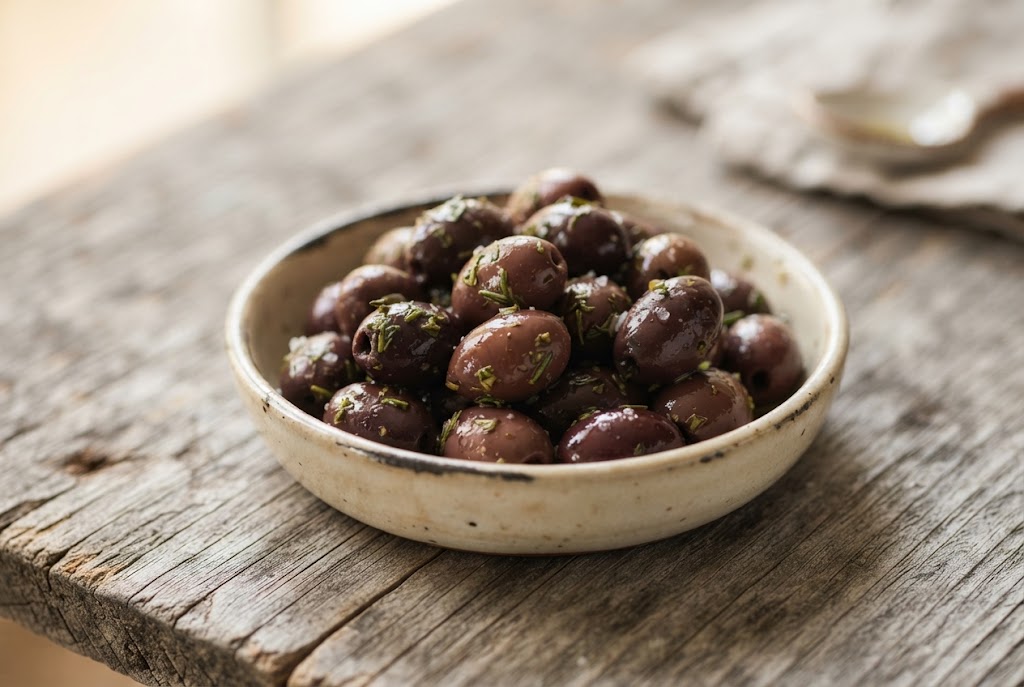
Small, wrinkled, purple-brown olives from Provence, cured in brine with herbs. They're intensely flavoured for their size, mostly pit by volume, and expensive per usable ounce. They're also the correct olive for a French board and the best one with goat cheese.
What it is
The Cailletier variety grown around Nice, harvested ripe and brine-cured, often with herbes de Provence. Small — about the size of a large pea — with a proportionally large pit. Related in style to the Ligurian Taggiasca, which is frequently sold as a substitute.
- Taste
- rich, nutty, herbal, moderately salty, faintly sour
- Texture
- soft-firm, slightly wrinkled skin
- Look
- small dark purple-brown ovals, often with herbs clinging
The mechanism is concentration in a small package. A Niçoise carries as much flavour as an olive three times its size, so a small bowl reads as generous. The herbal note from the cure is what separates it from a Kalamata — it brings thyme and rosemary to the board without you adding any.
What it pairs with — and why
| Pair it with | Why it works |
|---|---|
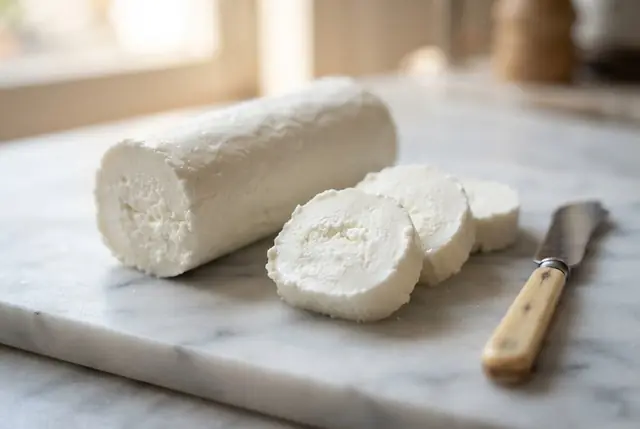
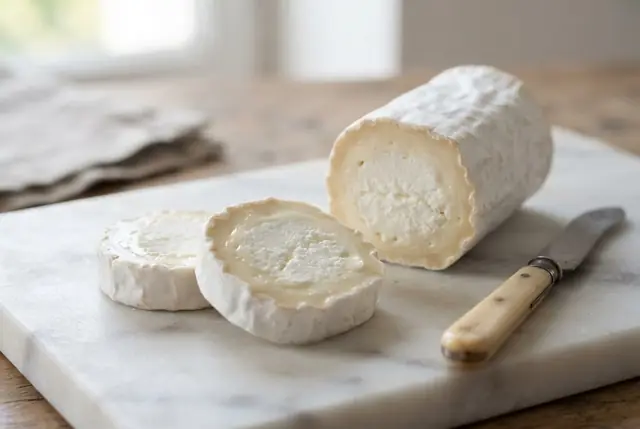
| Fresh goat cheese and Bucheron | The Provençal pairing. Chalky lactic tang against herbal salt, and the sizes suit each other. |
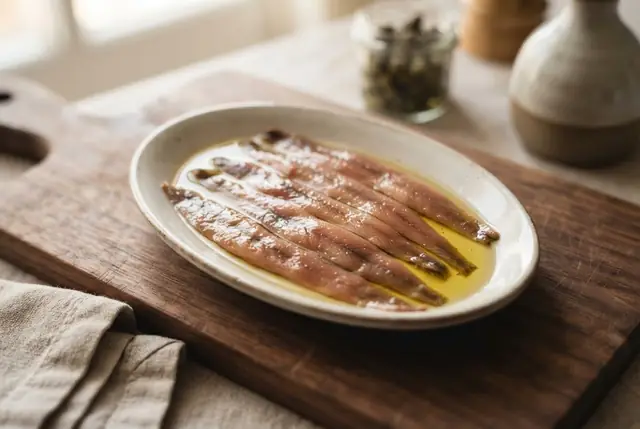
| Anchovies | Both are salt-cured and both come from the same coast. Salade niçoise, deconstructed. |
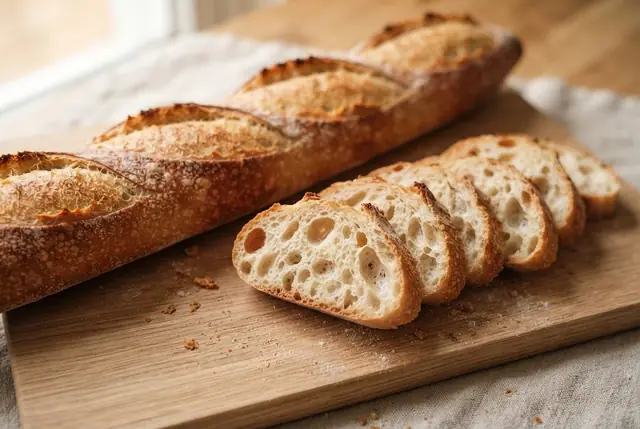
| Baguette | The base. Nothing more is needed. |
| Comté and alpine cheeses | Nutty, sweet, dense cheese with small sharp salty olives. |
| Tapenade | The traditional tapenade olive. Serving both is a legitimate French move. |
| Rosé and dry white wine | Both carry enough acid to match the brine, and neither has the tannin that would clash with the herbs. |
Skip it with: very mild fresh cheeses. Niçoise olives are intense for their size and will dominate.
How to prep it for the board
- Drain and serve in a small bowl with a pit bowl beside it.
- Warn people about the pits. They're large relative to the olive and easy to bite into.
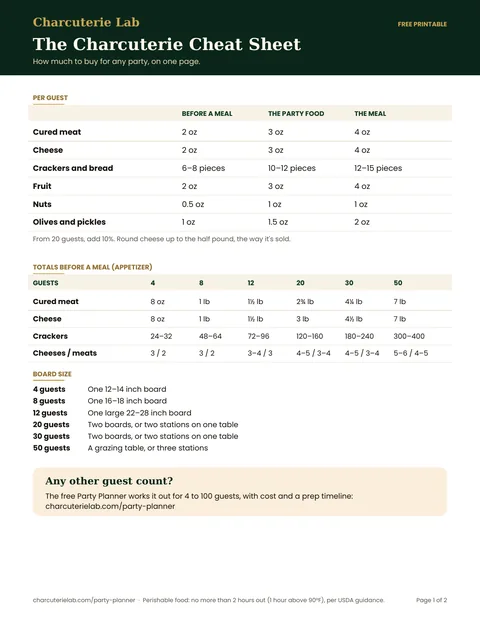
- Serve 0.75 oz per person — less than a larger olive, because they're more intense.
- Leave the herbs on. They're part of the product.
- Serve at room temperature.
- Use them where they'll be noticed — beside goat cheese, not lost in a mixed bowl.
- Fix: too expensive? Taggiasca olives from Liguria are nearly identical and usually cheaper.
What to buy
| Product | Where | Notes |
|---|---|---|
| Niçoise olives in brine | Cheese shops, French delis, olive bars | The real thing. Look for herbs in the jar. |
| Taggiasca olives | Italian delis | Ligurian cousin, very similar, often better value. |
| Niçoise in olive oil | Specialty | Richer, less sharp. Excellent with bread. |
| Picholine olives | French delis | The other French board olive — green, firm, nutty. A good companion. |
Label check: they should look wrinkled and dark, with visible herbs. Anything smooth and uniformly black is a different olive.
Skip: pitted Niçoise. There's almost nothing left.
Quick FAQ
What are Niçoise olives?
Small dark Provençal olives of the Cailletier variety, brine-cured with herbs. Intensely flavoured and mostly pit by volume.
Why are they so small?
It's the variety. The Cailletier tree produces small fruit, which is why they cost more per usable ounce.
What can I use instead?
Taggiasca olives from Liguria are very similar and usually cheaper.
What cheese goes with Niçoise olives?
Fresh goat cheese and aged goat cheeses like Bucheron, plus comté and alpine cheeses.
How much per person?
About three-quarters of an ounce. They're intense, so people take fewer.