The short version
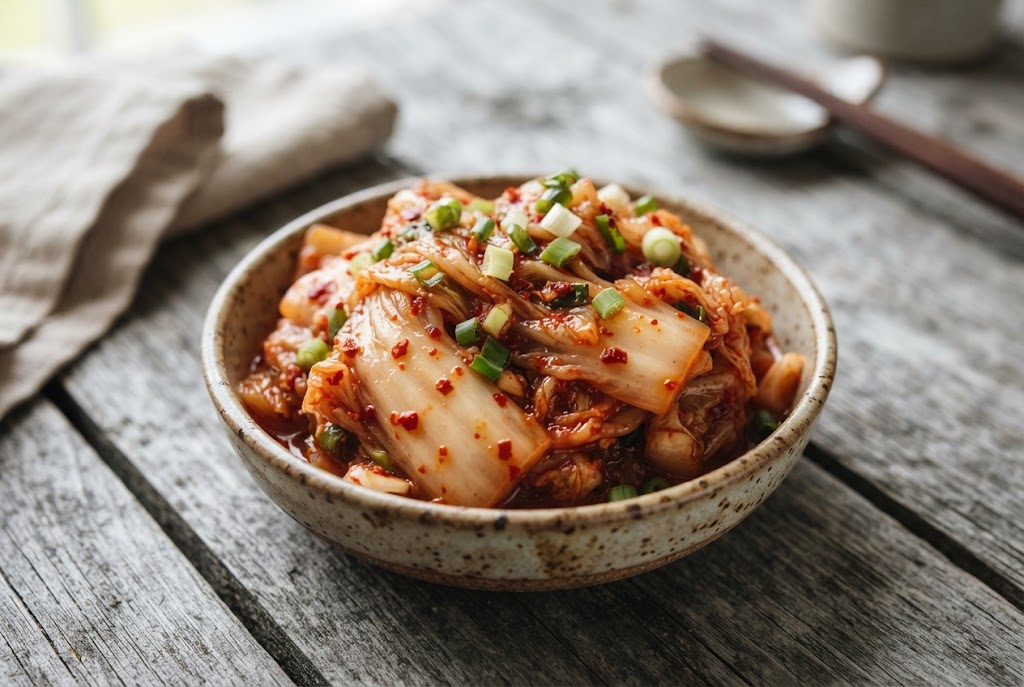
Napa cabbage salted, then fermented with Korean chili flake, garlic, ginger and usually fish sauce or salted shrimp. It is sour, savoury, funky and warm all at once, and it is the single ingredient that turns a conventional cheese board into a fusion board. Serve it in its own bowl, drained, and do not put it on the wood.
What it is
A living, lactic-fermented pickle — not a vinegar one. The salt draws water out of the cabbage, lactobacillus takes over, and the acid it produces preserves everything and keeps developing. Fresh kimchi is crunchy and mild; older kimchi is soft, sour and much stronger.
- Taste
- sour, salty, garlicky, deeply savoury, with moderate warmth
- Texture
- crisp when young, softening with age
- Look
- deep red-orange, glossy, wet
The mechanism is lactic acid plus glutamate. The ferment produces acid, which cuts fat exactly the way a pickle does, and the fish sauce and cabbage together produce free glutamate, which reads as savoury depth. That combination — sharp and meaty at the same time — is why kimchi works next to aged cheese, which is built on the same two things.
What it pairs with — and why
| Pair it with | Why it works |
|---|---|
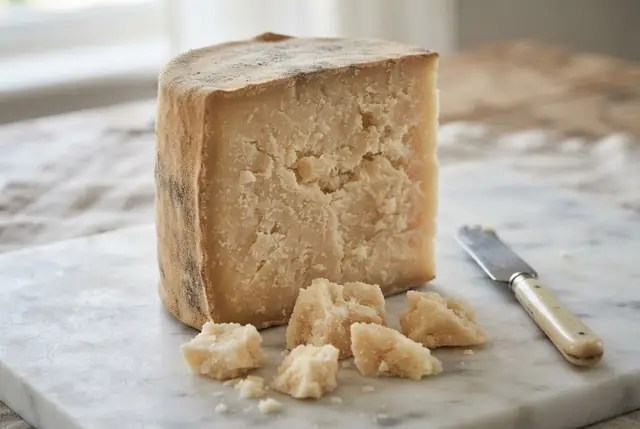
| Aged cheddar | The pairing that surprises everyone. Both are lactic ferments full of glutamate; the kimchi's acid does what chutney usually does. |
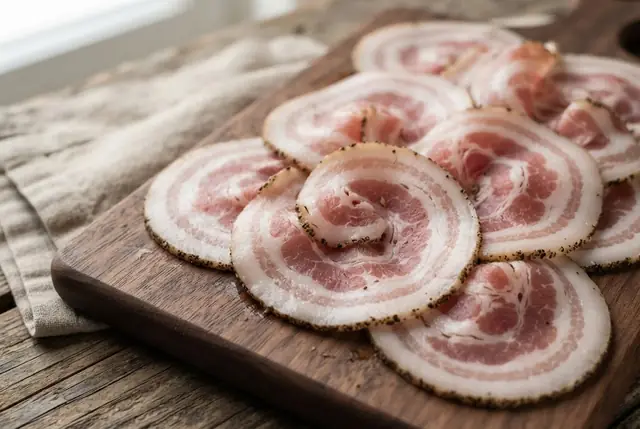
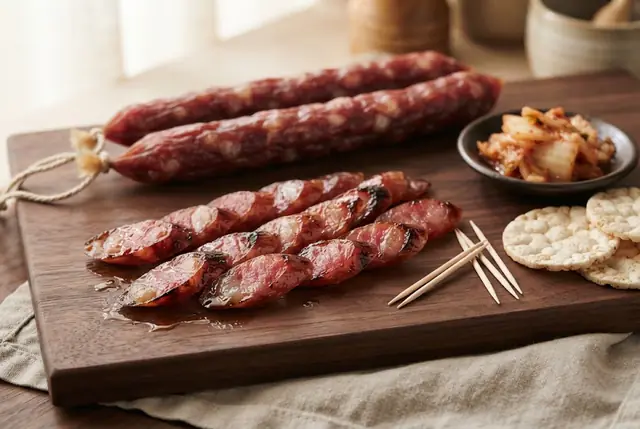
| Pancetta and cured pork | Fat and salt against acid and heat. This is the logic of every Korean pork dish. |
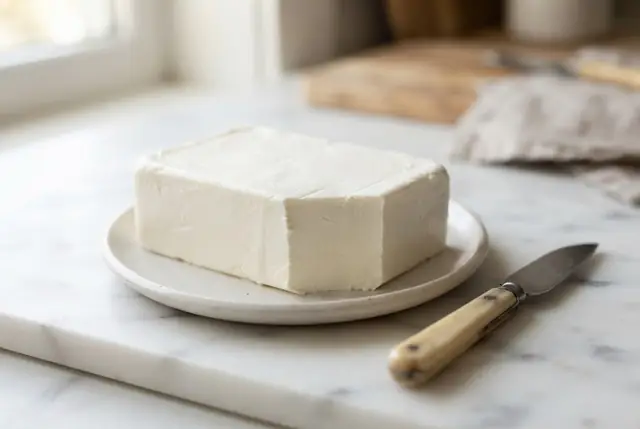
| Cream cheese | Cool, bland and thick. It tames the chili and carries the funk beautifully. |
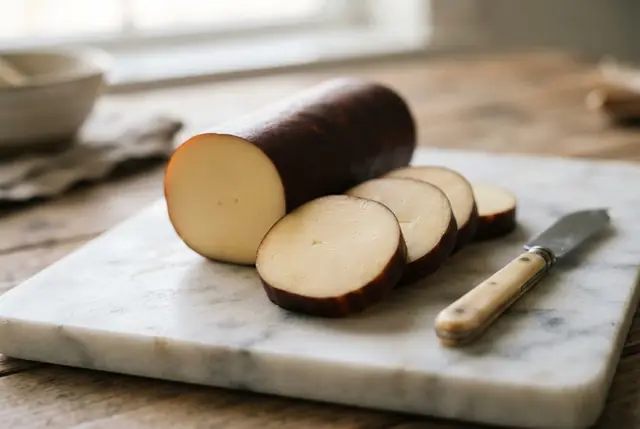
| Smoked gouda | Smoke and ferment are old friends. The sweetness in the gouda handles the heat. |
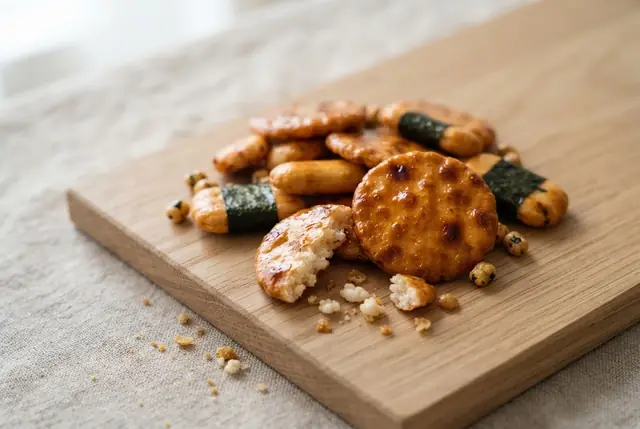
| Rice crackers | Neutral, gluten-free and structurally sound. The right base for something this wet. |
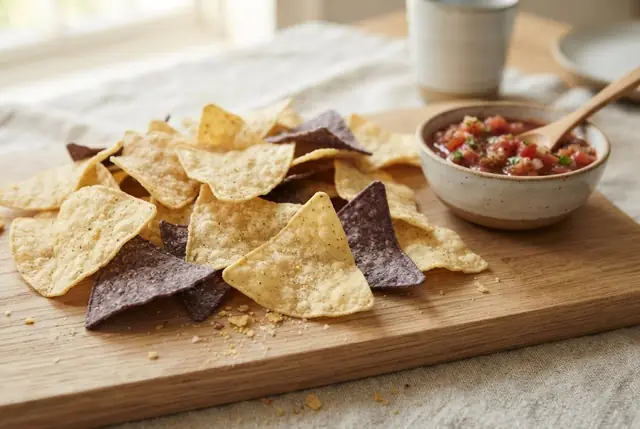
| Tortilla chips | The Korean-Mexican combination that built a thousand food trucks. It works. |
Skip it with: bloomy French cheese, delicate cured ham and anything sweet. Kimchi flattens all of it.
How to prep it for the board
- Drain it well. The brine will run across the whole board otherwise.
- Chop long pieces into bite-size lengths. Nobody wants to fight a whole leaf.
- Serve in a dedicated bowl with its own tongs or fork.
- Never put it on bare wood. It stains permanently and the smell stays.
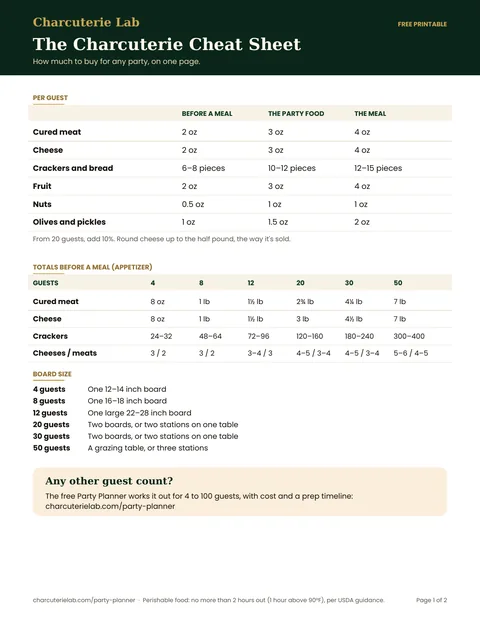
- Serve 0.75 oz per person.
- Put it at the edge of the board so it is not next to the delicate items.
- Fix: too sour and soft? That is aged kimchi, which is a cooking product. Buy a fresher jar for board use — the label date tells you.
What to buy
| Product | Where | Notes |
|---|---|---|
| Refrigerated napa cabbage kimchi | Korean grocers, most supermarkets now | The default. Buy the freshest date you can find. |
| Kkakdugi (radish kimchi) | Korean grocers | Cubed daikon. Crunchier, less messy, excellent on a board. |
| Vegan kimchi | Health food shops, Korean grocers | No fish sauce. Slightly less savoury, still very good. |
| White kimchi (baek kimchi) | Korean grocers | No chili at all. Mild, clean and a genuinely elegant board pickle. |
| Shelf-stable jarred kimchi | Supermarket international aisle | Pasteurised and flatter. Use it if there is nothing else. |
Label check: it should be in the refrigerated case. Shelf-stable means the ferment has been killed.
Skip: anything with added vinegar high in the ingredients. That is a quick pickle wearing the name.
Quick FAQ
Does kimchi belong on a cheese board?
On a fusion or Korean-leaning board, absolutely. Its acid and funk do the same job as a cornichon, only louder, and it is genuinely good with aged cheddar.
Is kimchi vegetarian?
Usually not — most kimchi contains fish sauce or salted shrimp. Vegan kimchi is widely available and clearly labelled.
How spicy is it?
Moderate. Korean chili flake is more fragrant than fiery, and the fermentation softens it further.
How do I keep it from getting everywhere?
Serve it in its own small bowl, drained, and never directly on wood. The brine stains and the smell transfers.
How much per person?
About three-quarters of an ounce. It is intense.