The short version
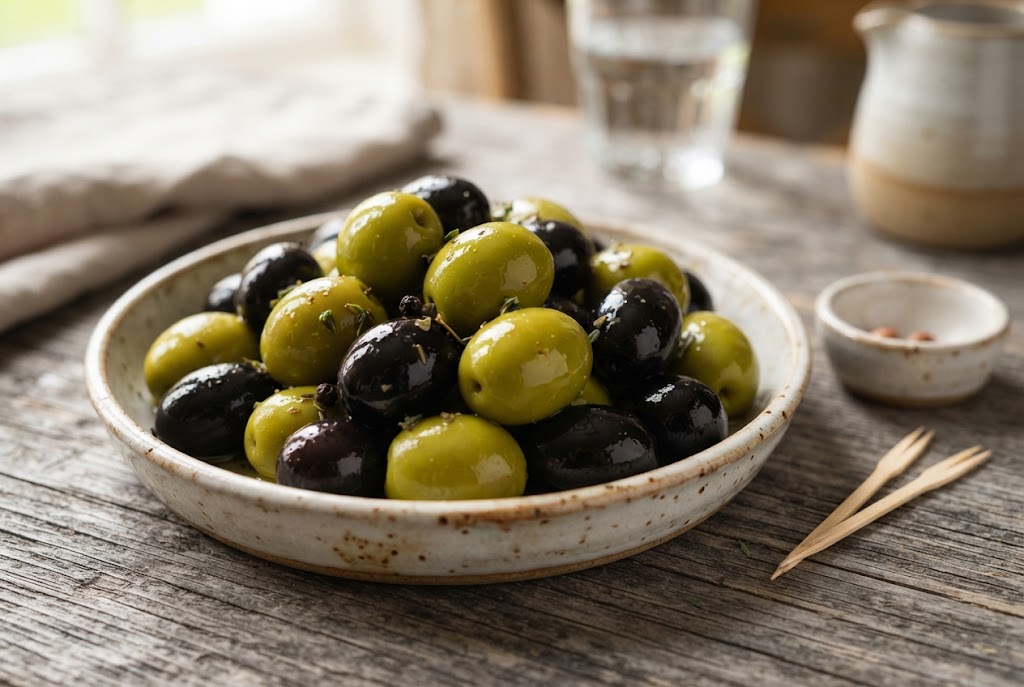
Cerignolas are the size of a small plum — two or three fill a hand. They're mild, crisp and only lightly salty, and they come in three colours: bright green, purple-black, and a startling red that's dyed. On a board they're a visual ingredient first and a flavour ingredient second, and there's nothing wrong with that.
What it is
The Bella di Cerignola variety from Puglia, harvested large and cured briefly in mild brine. Green is the standard and the best; black is the same olive ripened; red is dyed with vegetable colouring and sold mostly for looks. All are sold with pits.
- Taste
- mild, buttery, faintly sweet, lightly salty
- Texture
- crisp and firm, with a clean snap
- Look
- very large, glossy, in vivid green, black or red
The mechanism is scale. An olive this size changes how the bowl reads — it looks generous rather than fiddly, and a guest takes one rather than a handful. The mild cure means the flavour doesn't have to carry the ingredient; the size does.
What it pairs with — and why
| Pair it with | Why it works |
|---|---|
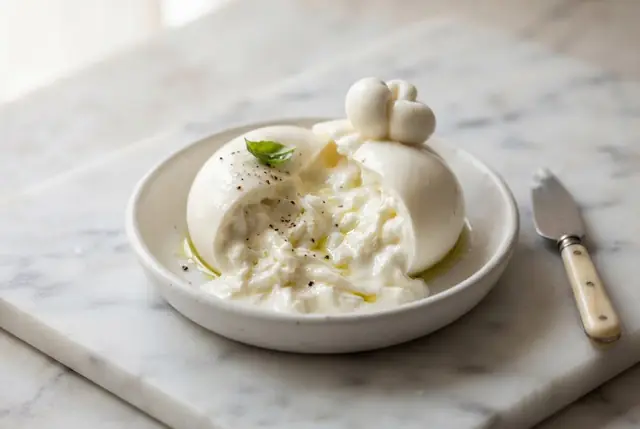
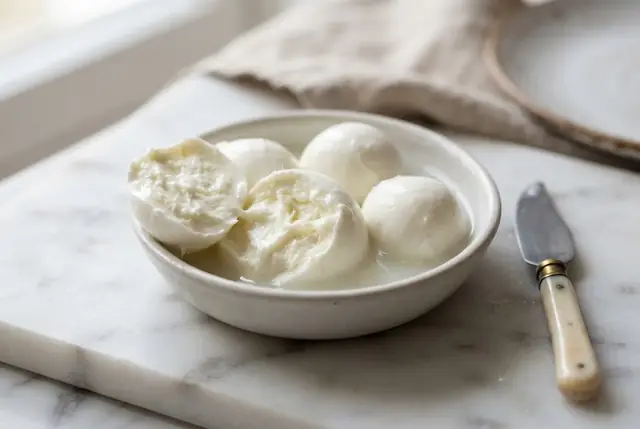
| Burrata and fresh mozzarella | Mild enough not to overpower cream, and the size contrast against a soft white ball is the plate. |
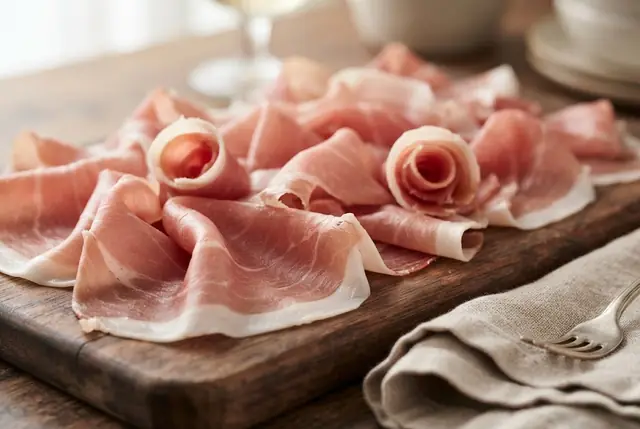
| Prosciutto | Salt and fat with a large cold crisp counterweight. |
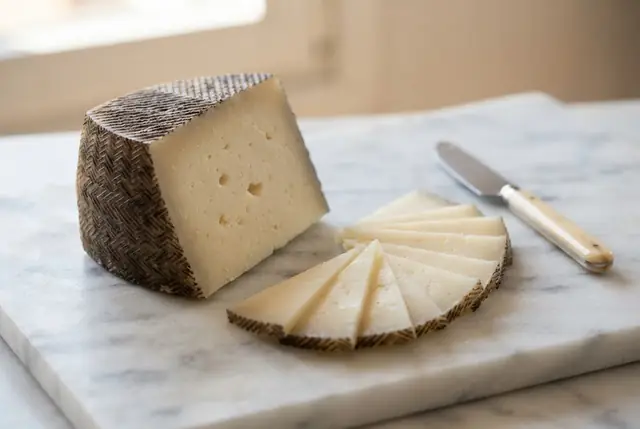
| Manchego | Both mild and rich; nothing here is fighting. |
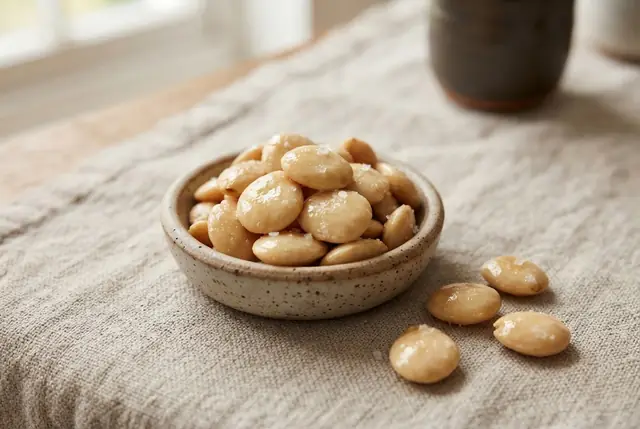
| Marcona almonds | Two Mediterranean bar snacks, one crisp and wet, one crisp and dry. |
| Fresh ricotta | Very mild things together, where the olive's brine is the only sharp note. |
| Vermouth and aperitivo drinks | Its actual purpose in Italy. |
Skip it with: strongly flavoured blue cheeses. A Cerignola has nothing to fight back with.
How to prep it for the board
- Drain and pat dry.
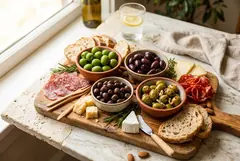
- Serve in a bowl with a pit bowl beside it. These are too big to pit discreetly.
- Use the green ones for a cheese board. The red are a novelty and the black are milder still.
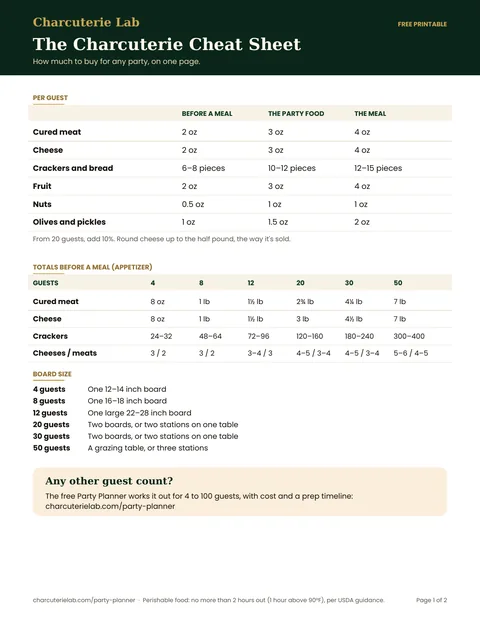
- Serve 1 oz per person — that's only two or three olives.
- Marinate them with lemon zest, chilli and rosemary if you want more from them.
- Serve at room temperature.
- Fix: bland? They are mild by design. Dress them, or serve a Kalamata alongside for contrast.
What to buy
| Product | Where | Notes |
|---|---|---|
| Green Cerignola | Olive bars, Italian delis, Whole Foods | The one to buy. Bright green and enormous. |
| Black Cerignola | Italian delis | Riper and softer. Milder again. |
| Red Cerignola | Italian delis | Dyed. Purely decorative, and fun on a festive board. |
| Bella di Cerignola (DOP) | Italian specialty | The protected designation. Best quality. |
| Marinated Cerignola | Olive bars | Herb and citrus versions. The best way to buy them. |
Label check: the red ones are coloured — check the ingredients if that matters to you or a guest.
Skip: pitted Cerignolas. They lose their crispness, which is the whole point.
Quick FAQ
Why are Cerignola olives so big?
It's the variety — Bella di Cerignola from Puglia grows to plum size naturally.
Are the red ones natural?
No. Red Cerignolas are dyed with vegetable colouring. Green and black are natural.
Are they salty?
Only mildly. They're cured briefly, so they're crisp and buttery rather than briny.
What cheese goes with Cerignola olives?
Burrata, fresh mozzarella, manchego and fresh ricotta — mild cheeses that suit a mild olive.
How many per person?
Two or three. They're large enough that an ounce is a small number.