The short version
The nut that goes with everything and offends nobody. Almonds are mild enough not to compete with cheese, crunchy enough to break up a board of soft things, and cheap enough to use generously. The only real decision is roasted and salted (yes) versus raw (no).
What it is
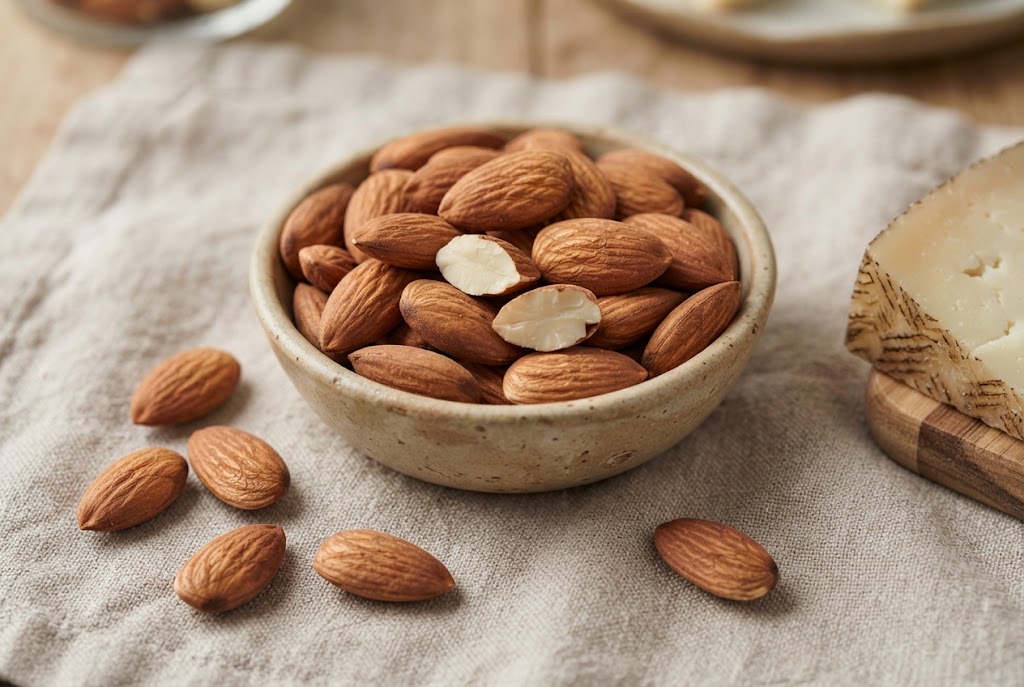
The seed of a stone fruit, related to peaches and apricots. Sold raw, roasted, salted, smoked, blanched, sliced and slivered. Californian almonds account for most of the world's supply; Spanish marconas are a distinct, softer variety with their own page.
- Taste
- mild, sweet, faintly bitter, marzipan on the finish
- Texture
- hard and crisp, with a firm snap
- Look
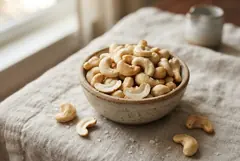
- brown-skinned ovals, or pale ivory if blanched
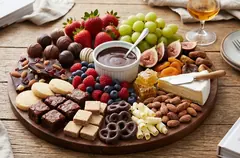
The mechanism is neutrality plus structure. Most board ingredients are strongly flavoured; almonds provide crunch and salt without an opinion. That makes them the connective tissue of a board — the thing that fills gaps and separates strong flavours from each other without adding a third argument.
What it pairs with — and why
| Pair it with | Why it works |
|---|---|
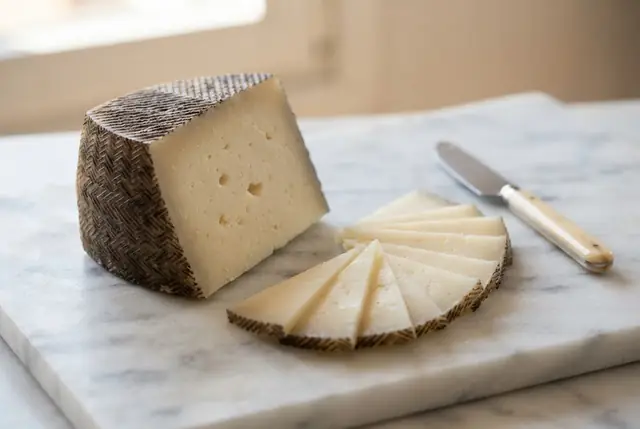
| Manchego | Almond and sheep milk are the Spanish pairing. Salt bridges them. |
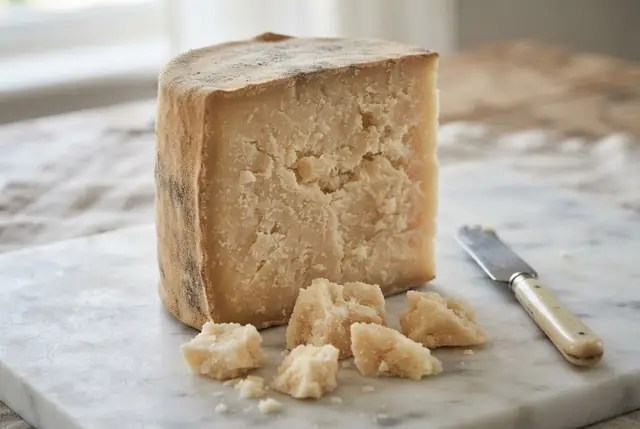
| Aged cheddar | Crunch against crumble; the almond's mildness lets the cheddar lead. |
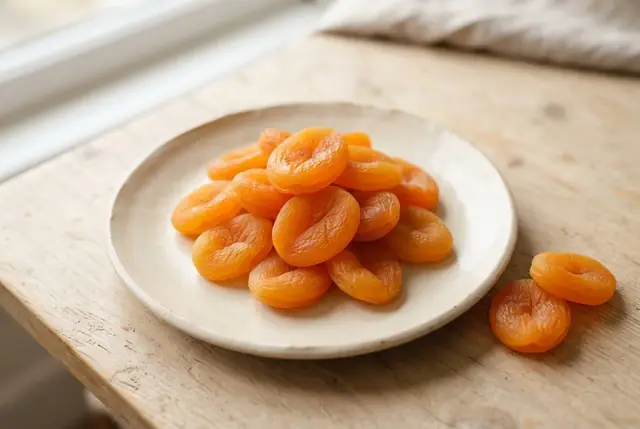
| Dried apricots | Botanically related fruit and nut. The aromas are almost the same compound. |
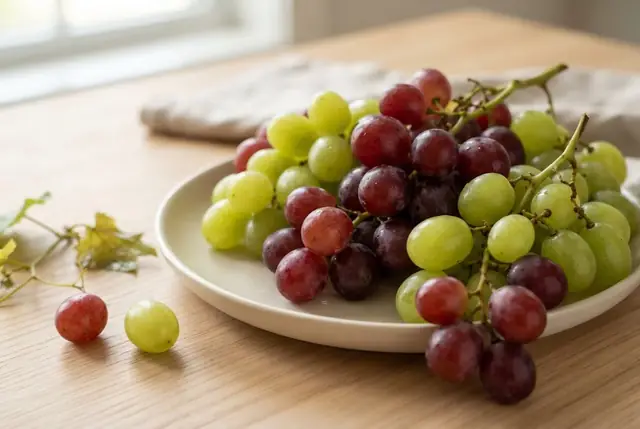
| Grapes | Wet and sweet against dry and salty. |
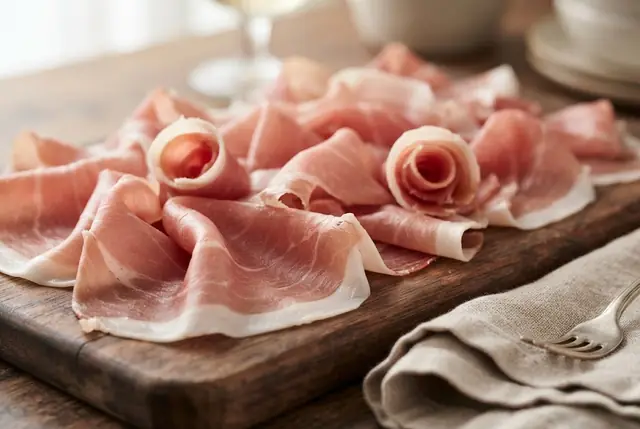
| Prosciutto | Fat and salt need something to break them; almonds do it without adding flavour. |
| Honey and blue cheese | Almonds are the crunch in the classic three-part bite. |
Skip it with: nothing — but don't put out three kinds of nut. One or two is a board; four is a bar snack.
How to prep it for the board
- Buy roasted and salted. Raw almonds are chalky and taste of nothing on a board.
- Scatter into gaps or serve in a small bowl. Almonds are dry, so unlike marconas they won't grease anything.
- Toast them yourself if you bought raw: 350°F for 10 minutes, salt while warm. It's a real improvement.
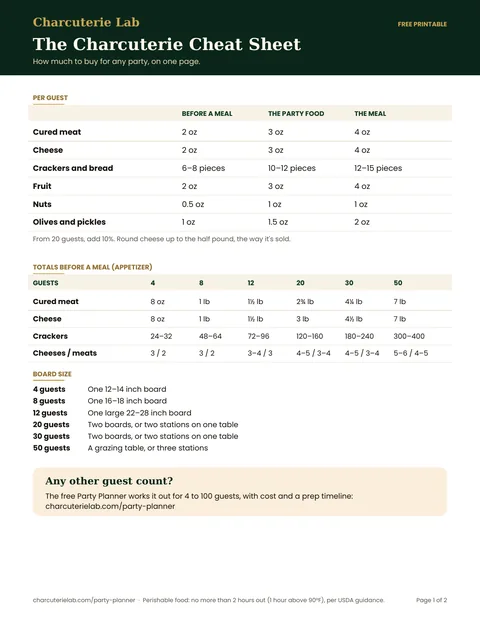
- Serve 1 oz per person.
- Use sliced or slivered almonds for rolling a goat cheese log rather than whole ones.
- Keep them sealed. Almonds go soft in humid kitchens.
- Fix: stale and soft? 300°F for ten minutes restores the crunch.
What to buy
| Product | Where | Notes |
|---|---|---|
| Roasted salted almonds | Any grocery, Costco | The default. Buy the big bag; they keep. |
| Blanched almonds | Grocery, baking aisle | Skinless, pale, cleaner-looking on a white board. |
| Rosemary or garlic almonds | Trader Joe's, Whole Foods | Flavoured versions. Good, but they compete with the cheese. |
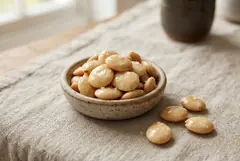
| Marcona almonds | Whole Foods, Spanish delis | The Spanish upgrade — softer, sweeter, oil-fried. Worth it. |
| Smoked almonds | Any grocery | A different ingredient. Strong, and better beside cheddar than beside delicate cheese. |
| Sliced / slivered almonds | Baking aisle | For coating cheese logs, not for eating loose. |
Label check: "dry roasted" means no added oil; "roasted" usually means oil. Both are fine. Check the salt level — some brands are very heavy.
Skip: raw almonds for board use, and anything flavoured with sweet coatings unless it's going in the dessert corner.
Quick FAQ
Raw or roasted almonds for a charcuterie board?
Roasted and salted. Raw almonds are chalky and add nothing.
Are marcona almonds better?
Softer, sweeter and richer — a real upgrade, at roughly twice the price. Regular almonds are still the reliable default.
How much per person?
About an ounce, which is roughly 20 almonds.
Should I toast almonds myself?
Only if you bought raw. 350°F for ten minutes, salted while warm.
What cheese goes with almonds?
Manchego above all, plus aged cheddar, blue cheese, and aged gouda.