The short version
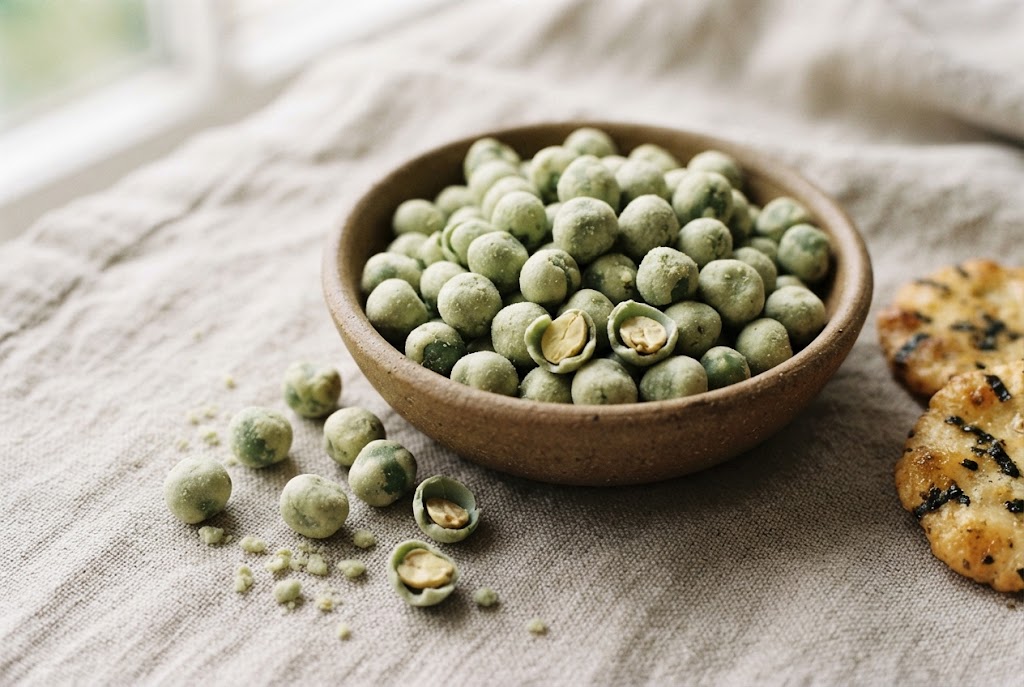
Dried green peas in a hard starch shell flavoured with horseradish, mustard and green colouring. They are cheap, they keep forever, and they do something no nut on your board does: a sharp burn that goes up rather than down and disappears in five seconds. On a fusion board they are the crunch and the heat in one item.
What it is
A Japanese snack, now made everywhere. Dried peas are coated in a wheat-starch batter, baked or fried until hard, then dusted with a wasabi-style powder that is usually horseradish and mustard rather than genuine wasabi.
- Taste
- salty and faintly sweet, then a sharp horseradish burn
- Texture
- very hard shell that cracks, then a dry mealy pea inside
- Look
- pale green spheres with a matte dusty finish
The mechanism is volatile heat. Horseradish and mustard heat comes from isothiocyanates, which evaporate and travel up into the sinuses rather than binding to receptors on the tongue like chili does. That is why the burn is instant, nasal and gone in seconds — and why wasabi peas can sit on a board full of delicate things without ruining the next bite.
What it pairs with — and why
| Pair it with | Why it works |
|---|---|
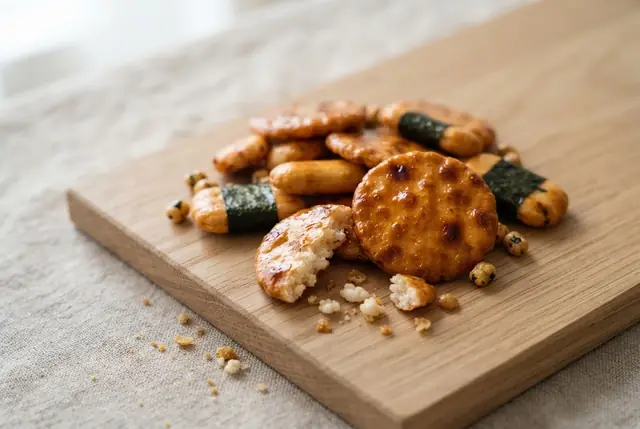
| Rice crackers | Same snack tradition, same board corner. Neutral and gluten-free where the peas are neither. |
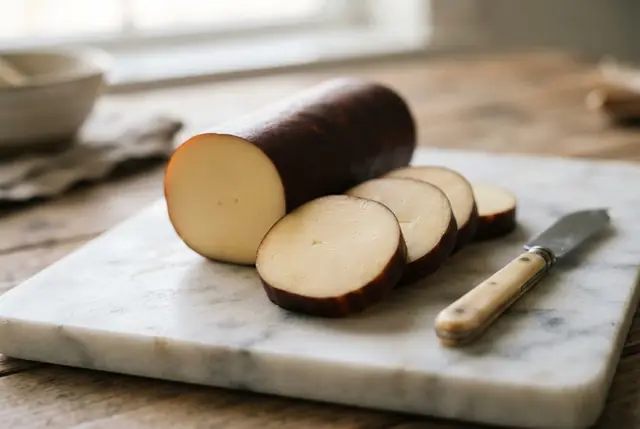
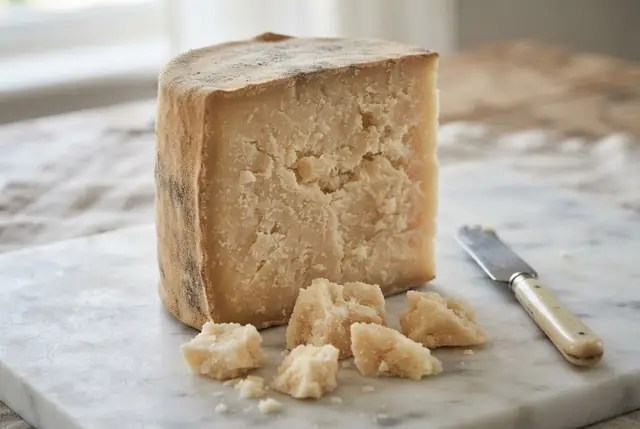
| Smoked gouda | Smoke and sharp heat. The cheese's sweetness lands right where the burn fades. |
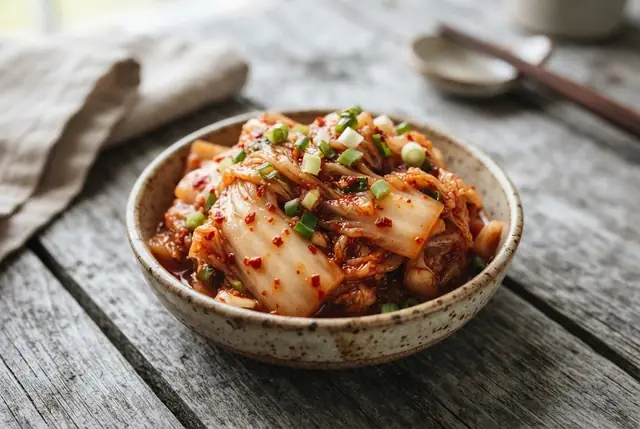
| Kimchi | Two kinds of heat — one fermented and slow, one volatile and fast. They do not compete. |
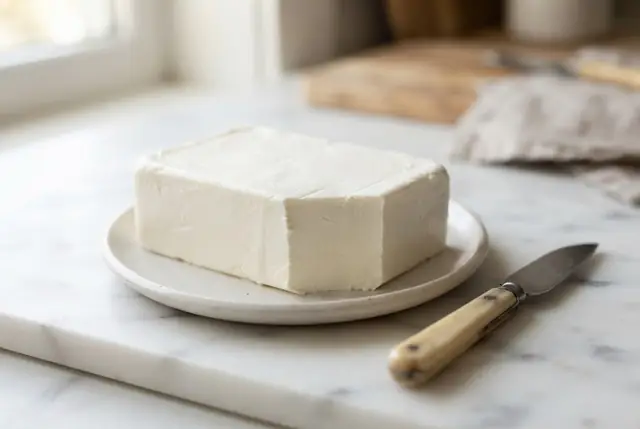
| Cream cheese | Cool fat is the fastest way to put out horseradish. Crush the peas over it. |
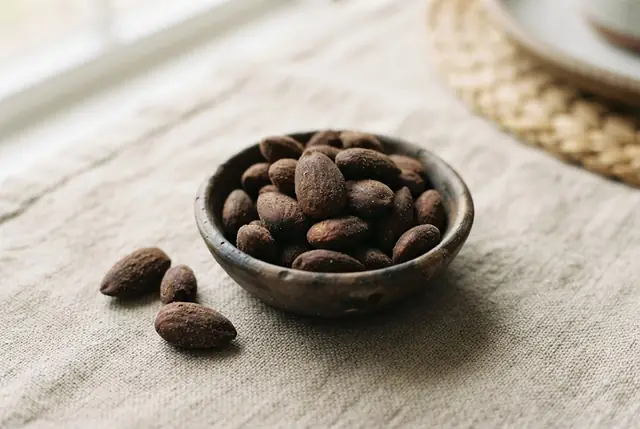
| Smoked almonds | Two dry salty crunches, one smoky and one sharp. The nut bowl becomes interesting. |
| Aged cheddar | Cheddar and horseradish is an old English pairing. This is that, in snack form. |
Skip it with: delicate bloomy cheese, dessert items and fine cured ham. They walk over all of it.
How to prep it for the board
- Serve in a small bowl, not scattered. They roll.
- Keep them dry. Any moisture turns the shell soft and dull within an hour.
- Crush a few to scatter over cream cheese or labneh if you want the heat without the whole pea.
- Warn guests. The colour reads as sweet to anyone who has not met them.
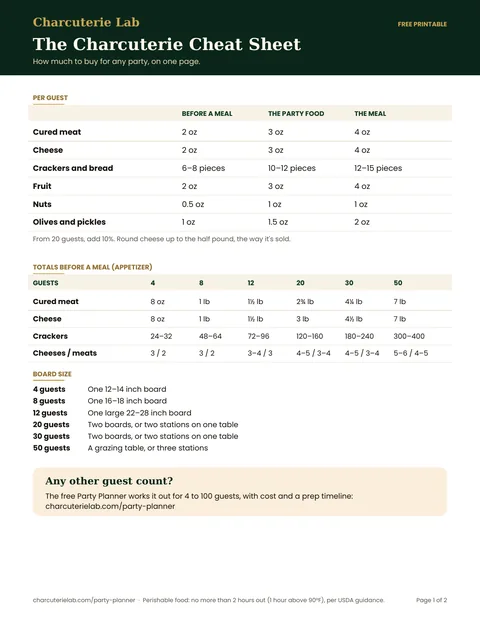
- Serve 0.5 oz per person.
- Flag the gluten — the coating is wheat.
- Fix: gone soft? Five minutes in a low oven crisps them again completely.
What to buy
| Product | Where | Notes |
|---|---|---|
| Japanese wasabi peas | Asian grocers | Harder coating, sharper heat, better made. |
| Supermarket wasabi peas | Any grocery, snack aisle | Cheap and reliable. Usually milder. |
| Wasabi-coated almonds or peanuts | Snack aisles, Asian grocers | The same coating on a nut. Richer, and they last better on a board. |
| Arare or hina arare rice crackers | Asian grocers | The same family of snack without the heat. Good beside them. |
| Gluten-free wasabi peas | Health food shops | Uncommon but they exist. Check the coating. |
Label check: if wasabia japonica appears at all it is a trace. Horseradish and mustard is what you are buying, and that is fine.
Skip: any bag with broken shells and green dust at the bottom. They are stale.
Quick FAQ
Do wasabi peas contain real wasabi?
Almost never. The heat comes from horseradish and mustard powder with green colouring. Real wasabi is rare and expensive even in Japan.
How hot are they?
Sharp but very short. The burn is nasal rather than on the tongue, and it clears in a few seconds.
Are they gluten-free?
No. The coating is wheat starch. Gluten-free versions exist but are uncommon.
What do they go with on a board?
Smoked cheese, cream cheese, rice crackers and kimchi. Anything on a fusion or Asian-leaning board.
How much per person?
Half an ounce. People eat more than they intend to.