The short version
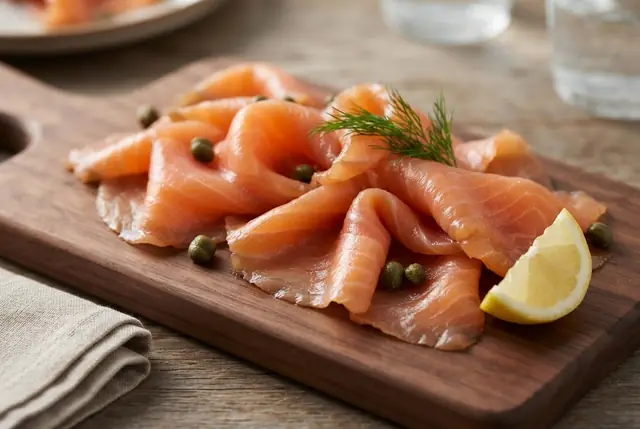
Unopened flower buds of the caper bush, preserved in salt or brine. They're intensely salty and floral, and they work as a scatter rather than a serving — a teaspoon over smoked salmon or burrata changes the whole plate. Salt-packed are better than brined by a clear margin.
What it is
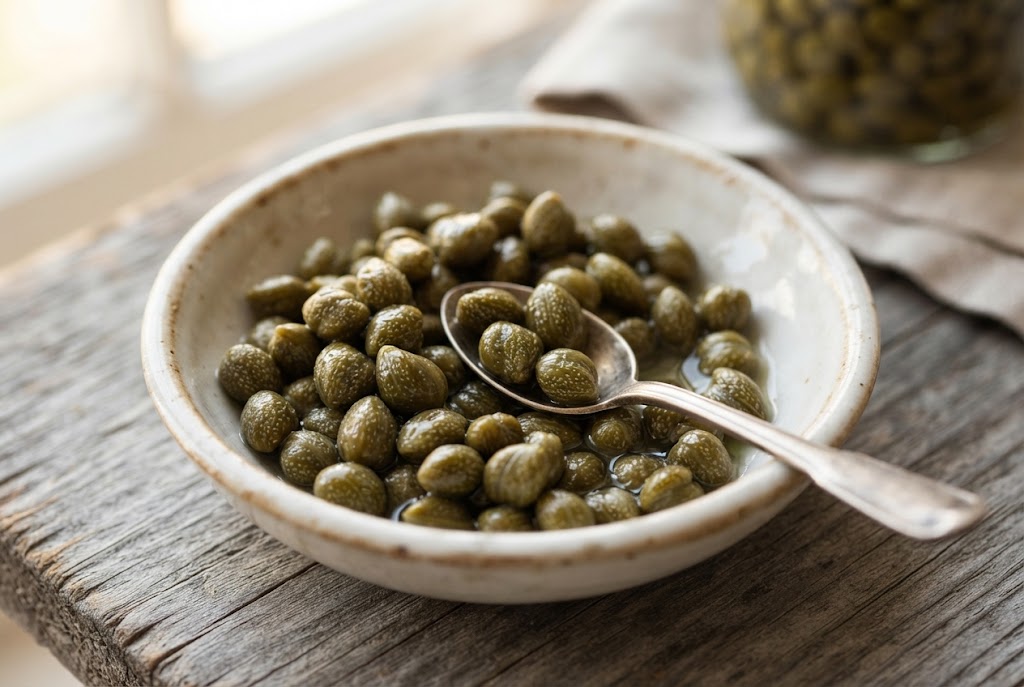
Caper buds, graded by size: nonpareil are the smallest and most prized; sizes go up through surfines, capucines and capotes. Salt-packed capers are buried in coarse salt and must be rinsed; brined capers sit in vinegar and taste more of the brine than the bud.
- Taste
- intensely salty, floral, faintly mustardy and lemony
- Texture
- firm little beads that burst
- Look
- tiny olive-green buds
The mechanism is mustard oil. Capers contain glucosinolates — the same family of compounds as mustard and horseradish — which is why they taste pungent as well as salty. That pungency is what lets a tiny quantity cut through fat, and why capers work with oily fish and rich cream where a plain salty ingredient wouldn't.
What it pairs with — and why
| Pair it with | Why it works |
|---|---|
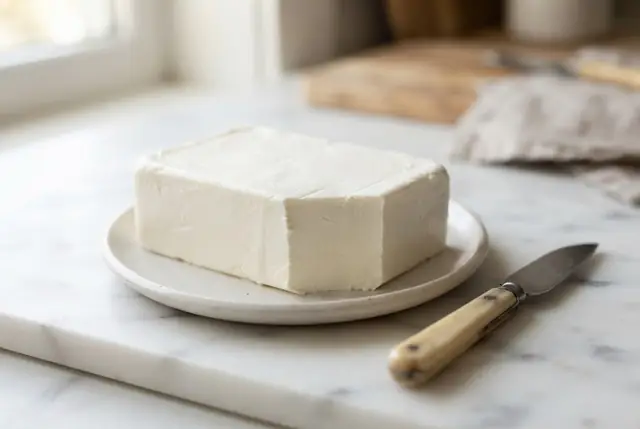
| Smoked salmon and cream cheese | The bagel board. Salt and mustard pungency cutting oily fish and dairy fat. |
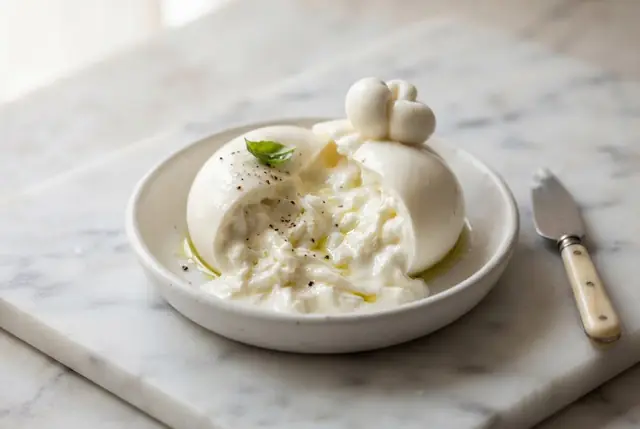
| Burrata | Scattered over with olive oil and black pepper — cream with sharp salty punctuation. |
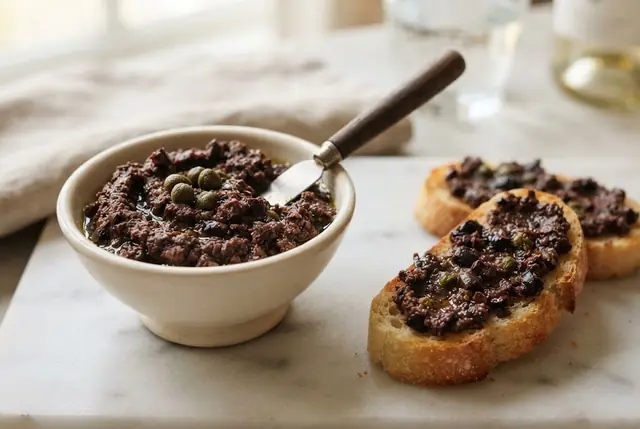
| Tapenade | Capers are already in it. Scattering more on top doubles the effect. |
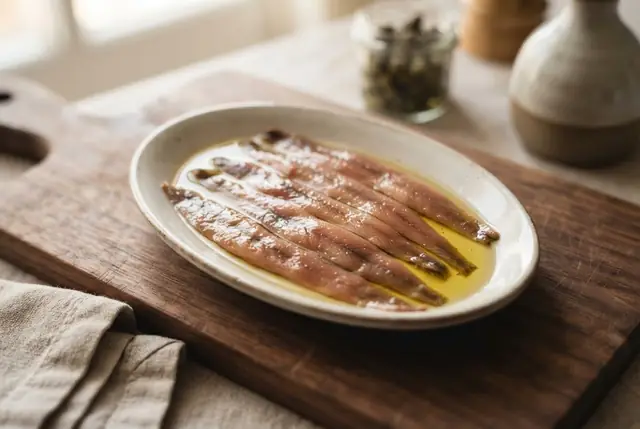
| Anchovies | Two salt-cured Mediterranean things from the same shelf. Sicilian cooking pairs them constantly. |
| Fresh mozzarella and tomato | Salt and acid on something very mild. |
| Fried cheese and croquettes | Capers fried until they open are a garnish worth knowing about. |
Skip it with: sweet things and delicate aged cheeses. Capers are pungent out of proportion to their size.
How to prep it for the board
- Rinse salt-packed capers thoroughly — two or three changes of water, or soak for ten minutes. They're inedible otherwise.
- Drain brined capers and pat dry.
- Scatter, don't serve. A small bowl of capers is odd; a scatter over burrata or salmon is right.
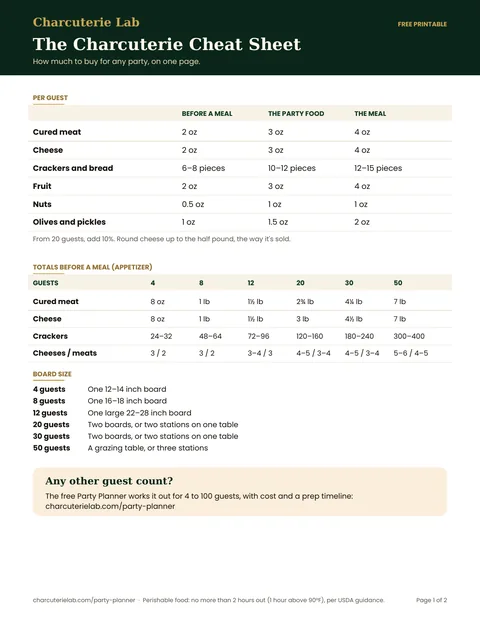
- Serve 0.25 oz per person.
- Fry them for the upgrade: drain, dry, and fry in hot oil for 30 seconds until they burst open and crisp. Spectacular.
- Use nonpareil for scattering; larger capers for chopping.
- Fix: too salty? Rinse again. Salt-packed capers need more rinsing than feels reasonable.
What to buy
| Product | Where | Notes |
|---|---|---|
| Salt-packed capers | Italian delis, specialty | The better product. They taste of caper rather than vinegar. Rinse well. |
| Nonpareil capers in brine | Any grocery | The everyday standard. Small and convenient. |
| Pantelleria capers | Italian specialty | From the Sicilian island; the benchmark, salt-packed. |
| Caperberries | Grocery, olive bars | The fruit rather than the bud — larger, milder, with a stem. Its own page. |
| Fried capers | Make them | 30 seconds in hot oil. A different ingredient entirely. |
Label check: salt-packed will say so and come in a tub or bag. Brined capers in small jars are fine but taste more of vinegar.
Skip: capers in a jar with a cloudy, sludgy brine.
Quick FAQ
Salt-packed or brined capers?
Salt-packed taste more of the caper itself. They need thorough rinsing. Brined are more convenient and taste more of vinegar.
What are nonpareil capers?
The smallest size grade, and generally the most prized — firmer and more concentrated than larger capers.
How do I use capers on a board?
Scatter them over burrata, smoked salmon or fresh mozzarella. They're a garnish, not a serving.
Can I fry capers?
Yes, and it's worth doing. Drain, dry, and fry in hot oil for 30 seconds until they burst open and crisp.
How much per person?
About a quarter-ounce — a scatter, not a spoonful.