The short version
Bitterness is the argument for grapefruit. Boards are salt, fat and sugar; almost nothing on them is bitter, and that's why a rich board eventually goes flat in the mouth. A few pink grapefruit supremes fix that. The catch is prep — you have to cut the membranes off, and unpeeled wedges are inedible on a board.
What it is
A large citrus, pink, red or white-fleshed. Ruby Red and Rio Star are sweet and deeply pink; white marsh is sharper and more bitter; pomelo is the giant, mild ancestor. Peak season is winter through early spring.
- Taste
- tart, sweet, distinctly bitter
- Texture
- juicy segments, tough membranes that must be removed
- Look
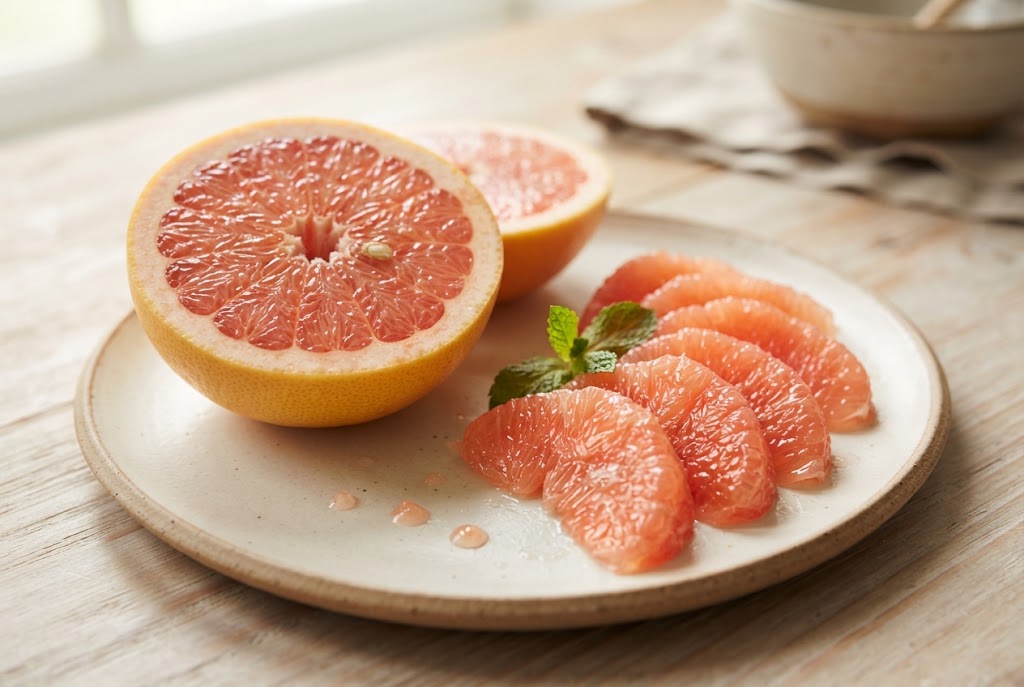
- pink jewel-toned wedges, translucent at the edges
The mechanism is naringin — the compound behind grapefruit's bitterness. Bitter receptors clear fat from the palate more thoroughly than acid alone, which is why grapefruit sits so well against burrata and fresh cheese and why a squeeze of it works where a squeeze of orange wouldn't.
What it pairs with — and why
| Pair it with | Why it works |
|---|---|
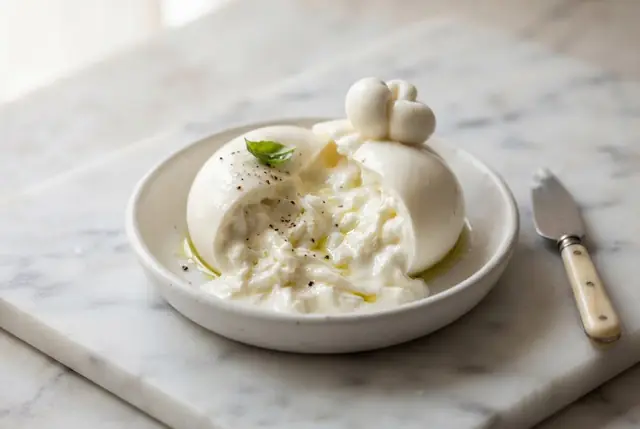
| Burrata | The best use of grapefruit on a board. Bitter and acid against pure cream, with olive oil and salt. |
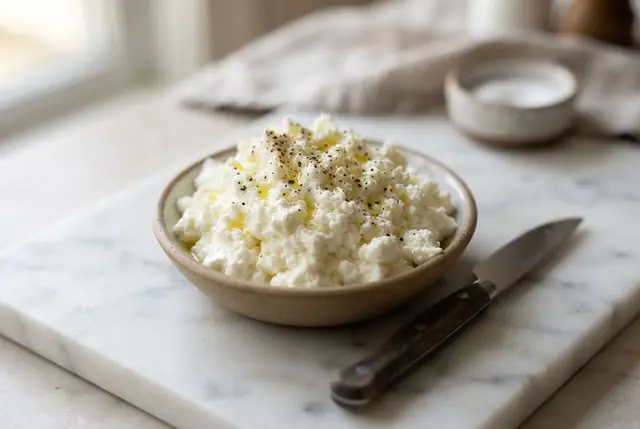
| Fresh ricotta | Mild sweet curd, sharp bitter fruit. Add honey and it's a dessert. |
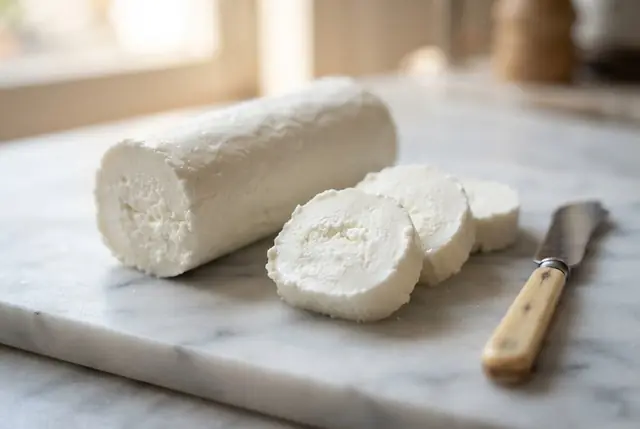
| Fresh goat cheese | Lactic tang plus citrus bitterness — two different sharp notes that don't collide. |
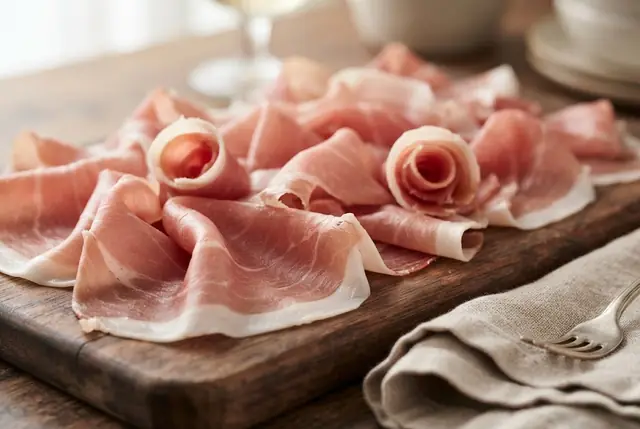
| Prosciutto | Salt against bitter is an underused combination and works better than orange does. |
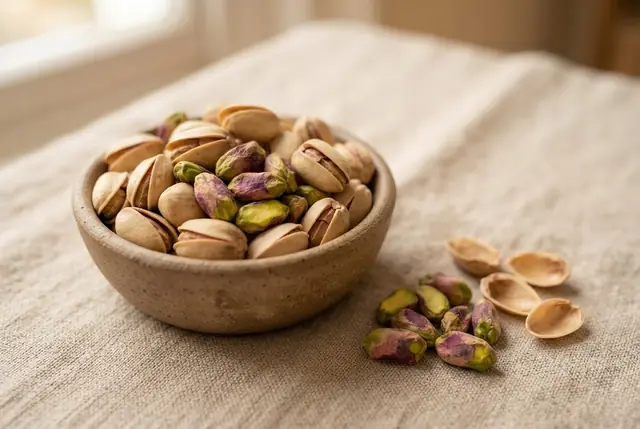
| Pistachios and almonds | Nut bitterness runs in the same direction; salt bridges them. |
| Avocado, if you're building a brunch board | Fat and bitterness, the standard salad pairing. |
Skip it with: aged and blue cheeses, and anything smoked. Bitterness on bitterness is unpleasant, and grapefruit clashes with smoke.
How to prep it for the board
- Supreme it. Cut top and bottom flat, slice the peel and pith off in strips down the sides, then cut each segment free from its membranes.
- Do it over a bowl to catch juice — that juice is a dressing.
- Never serve wedges with membrane on. It's chewy and bitter in the wrong way, and nobody will eat a second one.
- Blot the supremes before they go near crackers.
- Serve on a small plate, not on bare wood. Grapefruit juice stains and runs.
- Finish with flaky salt if it's going beside cheese — salt suppresses bitterness and brings the sweetness forward.
- Fix: too bitter for the room? Use Ruby Red or Rio Star rather than white, and drizzle a little honey over the supremes.
What to buy
| Product | Where | Notes |
|---|---|---|
| Ruby Red / Rio Star grapefruit | Any grocery, Dec–May | Sweetest and pinkest. The default. |
| Texas Rio Star | Grocery, winter | Reliably the sweetest domestic grapefruit. |
| White marsh grapefruit | Grocery | Sharper and more bitter. For a board that needs a hard reset. |
| Pomelo | Asian markets, winter | Huge, thick-pithed, mild. Segments break into dry jewel-like pieces — spectacular and much less bitter. |
| Jarred grapefruit segments | Refrigerated produce section | A real time-saver. Drain well and blot. |
Label check: heavy for its size, thin-skinned, with slightly flattened poles. A light grapefruit with thick puffy skin is mostly pith.
Skip: anything soft at the stem, and canned segments in heavy syrup.
Quick FAQ
How do I cut grapefruit for a charcuterie board?
Supreme it — peel and pith off with a knife, then cut each segment away from its membranes. Wedges with membrane on are too chewy and bitter.
Which grapefruit is sweetest?
Ruby Red or Rio Star. White marsh is noticeably more bitter.
What cheese goes with grapefruit?
Burrata, fresh ricotta, and fresh goat cheese. Avoid blue and aged cheeses.
How do I make it less bitter?
Flaky salt suppresses bitterness, and a little honey brings out the sweetness. Pink varieties are milder to begin with.
Can I use jarred segments?
Yes. Drain and blot them well. It's a reasonable shortcut for a big board.