The short version
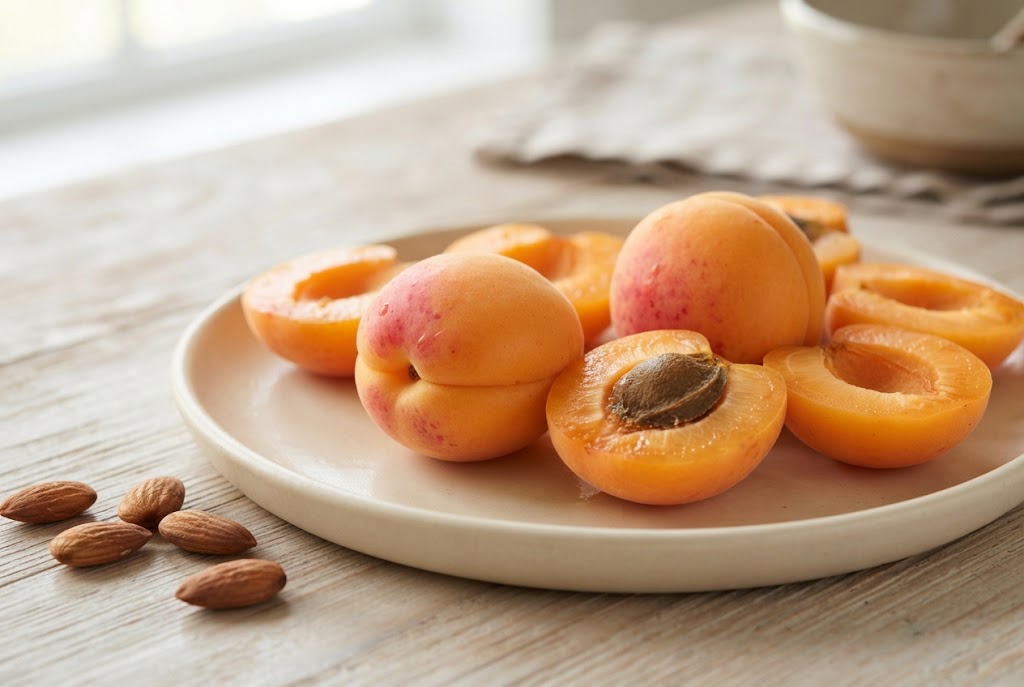
The most practical fresh fruit on a board. Halve one, twist out the pit, set it cut-side up: it holds its shape, doesn't leak, barely browns, and makes a small orange cup you can drop a cheese crumble or a pistachio into. Season is short — late May through July.
What it is
A small stone fruit, velvety-skinned, more acidic than a peach and much less juicy. Ripe apricots are soft to the thumb and smell honeyed; unripe ones are firm, sour, and mealy, which is how most supermarket apricots are sold.
- Taste
- tart-sweet, faintly almond
- Texture
- dense, dry-fleshed, barely juicy
- Look
- orange-gold halves with a shallow hollow
The mechanism is acid without water. A grape resets the palate by rinsing it; an apricot does it by cutting through fat with sharpness. That makes it a better partner for very rich cheeses than a sweeter, wetter fruit would be, and it's why apricot and goat cheese has been a fixed pairing for a century.
What it pairs with — and why
| Pair it with | Why it works |
|---|---|
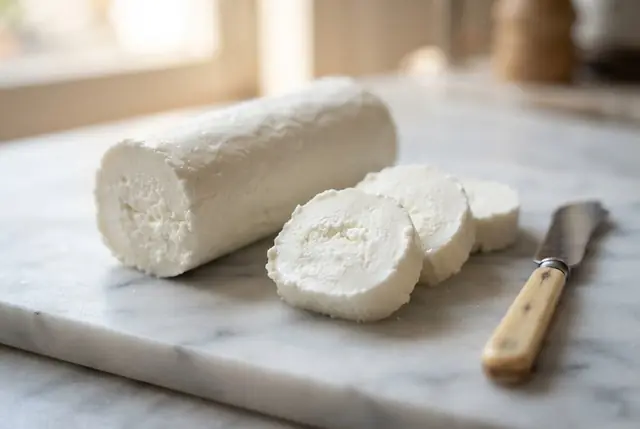
| Fresh goat cheese | Two acids that don't compete — the fruit's is fruity, the cheese's is lactic. The hollow holds a crumble of it. |
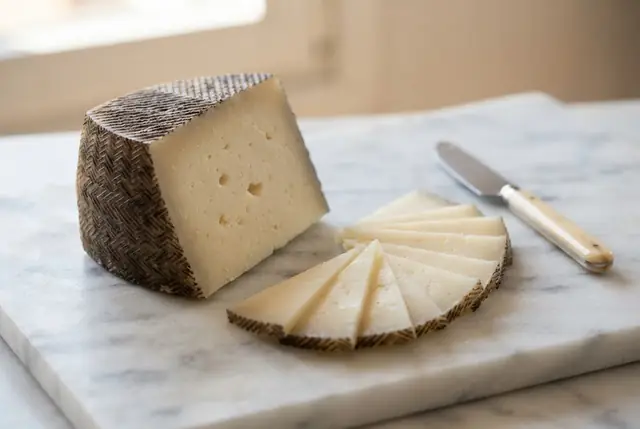
| Manchego | Sheep-milk nuttiness meets the apricot's almond note; they share the same aromatic family. |
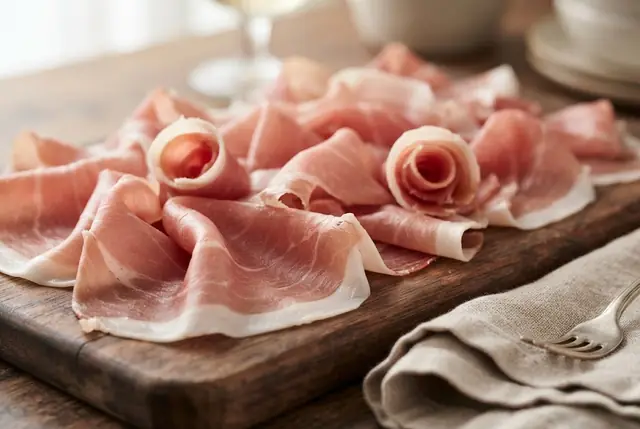
| Prosciutto | Tart and salty, with none of the mess a peach makes. |
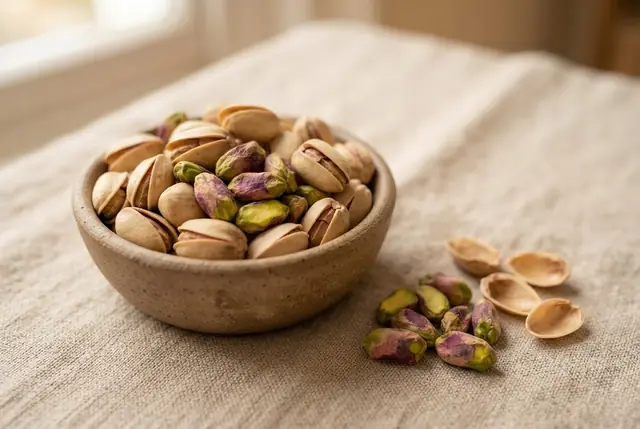
| Pistachios | The classic pairing in Middle Eastern cooking, and it works cold. Green against orange. |
| Honey drizzled over | Fills in the sugar an underripe apricot is missing. |
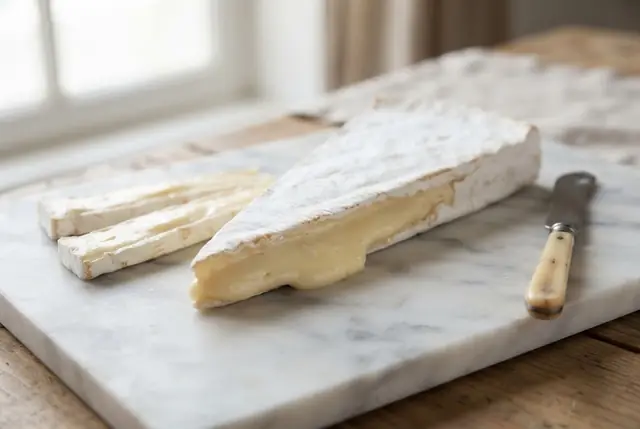
| Brie | Acid cutting soft fat; the halves sit neatly against a wedge. |
Skip it with: sweet jams and chutneys. Apricot is already the sweet-tart element — doubling it flattens the board.
How to prep it for the board
- Buy them soft. Firm apricots are mealy and never improve much.
- Ripen on the counter in a paper bag for a day or two if they're firm.
- Halve along the natural seam and twist. The pit lifts straight out.
- Leave the skin on — it's thin and holds the half together.
- Set them cut-side up. They function as little bowls, and they don't brown much this way.
- Serve 1–2 oz per person — one apricot serves two.
- Fix: underripe and sour? Halve, drizzle with honey, and broil for three minutes. Or use dried apricots instead — they're better than bad fresh ones.
What to buy
| Product | Where | Notes |
|---|---|---|
| Fresh apricots | Grocery, farmers markets, May–Jul | Buy soft and fragrant, not firm. |
| Blenheim apricots | California farmers markets, June | The great one. Intensely aromatic, worth seeking out. |
| Apriums / pluots | Grocery, summer | Apricot-plum crosses. Sweeter, juicier, work the same way. |
| Dried apricots | Any grocery, year-round | The reliable substitute for ten months of the year. |
Label check: smell them. A ripe apricot is strongly fragrant at the stem; a silent one will taste like nothing.
Skip: hard pale-orange apricots and anything with wrinkled skin at the stem.
Quick FAQ
When are apricots in season?
Late May through July. It's a short window, and out-of-season apricots aren't worth buying.
Do apricots brown on a board?
Much less than peaches or apples. Cut-side up, they'll hold for a couple of hours.
Do I peel them?
No. The skin is thin and keeps the half intact.
What if mine are hard and sour?
Ripen in a paper bag for a day, or halve and broil with honey. Otherwise use dried apricots.
How many per person?
One apricot serves two people on a mixed board.