The short version
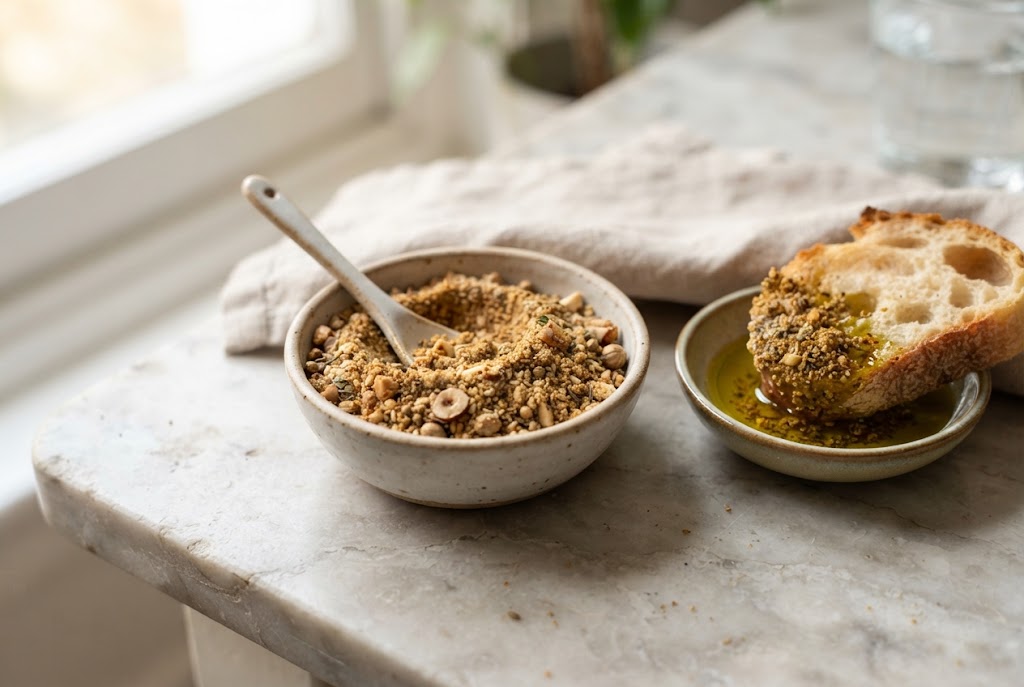
A coarse Egyptian blend of toasted nuts, sesame, coriander and cumin. The traditional service is a bowl of dukkah beside a bowl of olive oil: you dip bread in the oil, then in the dukkah. On a board it's the thing people ask about, and it costs almost nothing.
What it is
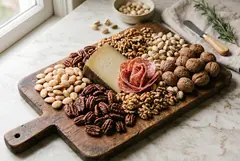
Toasted hazelnuts or almonds, sesame seeds, coriander seed, cumin and salt, pounded to a coarse rubble — never a powder. Recipes vary by family. Some add fennel, black pepper, mint or chickpeas.
- Taste
- nutty, warm, earthy, citrusy from the coriander
- Texture
- coarse and gritty, deliberately uneven
- Look
- sandy brown rubble flecked with sesame
The mechanism is aroma in a dry form. Wet condiments — jam, honey, mustard — add flavour but also moisture, which is why they need their own dish and a knife. Dukkah delivers as much aroma with no moisture at all, so it can be sprinkled directly over cheese without softening anything it touches.
What it pairs with — and why
| Pair it with | Why it works |
|---|---|
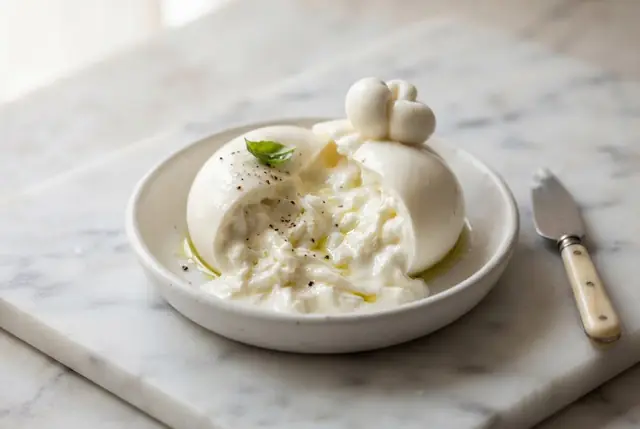
| Burrata | Sprinkle it over the top with olive oil. Cream, spice, crunch — the best three-ingredient plate on any board. |
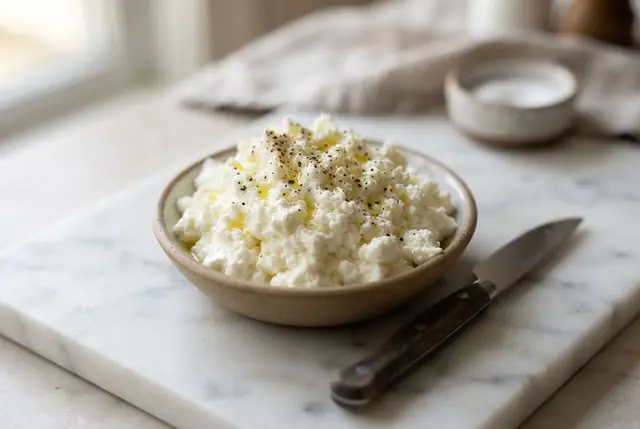
| Labneh and thick yoghurt | The traditional partner. Spice and grit against thick tang. |
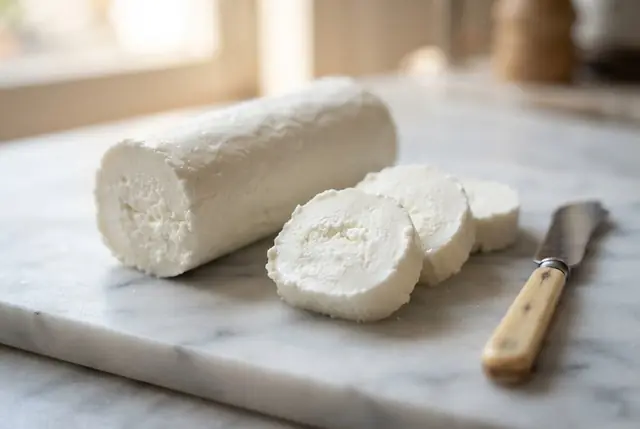
| Fresh goat cheese | Roll a log in dukkah. Herbaceous, crunchy, and it looks deliberate. |
| Olive oil and bread | The original service. A bowl of each, and good bread. |
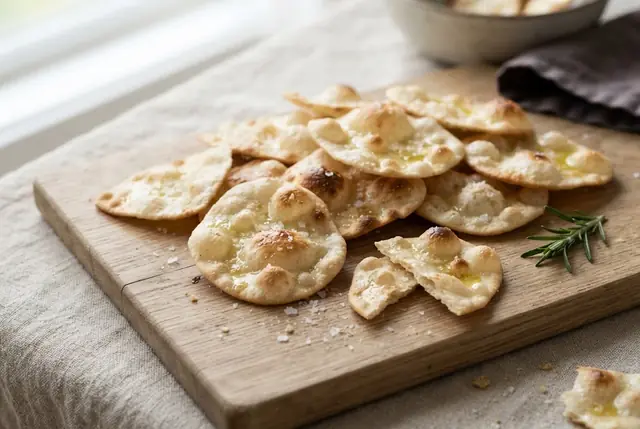
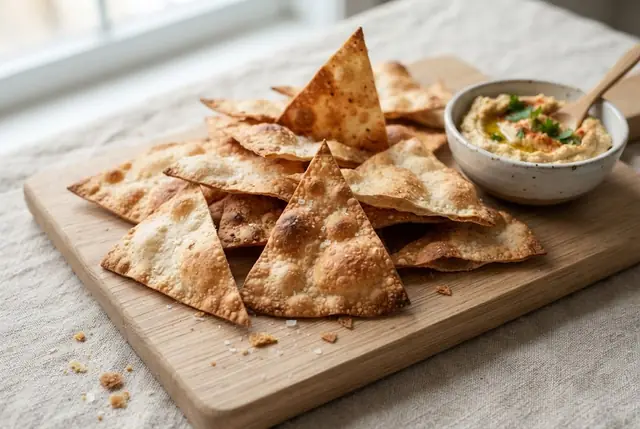
| Pita chips and flatbread | Dip in oil, then dukkah. The whole point. |
| Soft-boiled eggs, if the board is a brunch board | A standard Middle Eastern breakfast. |
Skip it with: delicate aged cheeses. Cumin and coriander will cover them.
How to prep it for the board
- Make it: toast 1/2 cup hazelnuts, 1/4 cup sesame seeds, 2 tbsp coriander seed and 1 tbsp cumin seed separately, since they toast at different rates.
- Pound or pulse coarsely. Stop while it's still rubble — a powder is a different, worse thing.
- Salt generously and add black pepper.
- Serve in a small bowl beside a bowl of good olive oil.
- Or sprinkle it directly over burrata, labneh, or a goat cheese log.
- Serve 0.25 oz per person.
- Fix: tastes dusty? Under-toasted spices. Toast until fragrant, not just warm.
What to buy
| Product | Where | Notes |
|---|---|---|
| Homemade dukkah | Make it | Ten minutes and far better than any jar. Toast everything separately. |
| Trader Joe's dukkah | Trader Joe's | Widely available and genuinely good. The easiest entry point. |
| Middle Eastern market dukkah | Middle Eastern grocers | Often the best, and cheap. Varies by shop. |
| Za'atar | Middle Eastern markets, grocery | Related but different — thyme, sumac, sesame, no nuts. Also excellent on a board. |
| Egyptian dukkah with chickpeas | Specialty, online | Traditional variant. Lighter and crunchier. |
Label check: the nuts should be listed early. A dukkah that's mostly sesame and spice is cheaper and much less interesting.
Skip: anything ground fine. Texture is half the ingredient.
Quick FAQ
What is dukkah?
An Egyptian blend of toasted nuts, sesame seeds and spices, pounded coarse. It's traditionally eaten by dipping bread in olive oil and then in the dukkah.
How do I serve dukkah on a charcuterie board?
A bowl of dukkah beside a bowl of olive oil with bread, or sprinkled directly over burrata, labneh, or a goat cheese log.
Is dukkah the same as za'atar?
No. Za'atar is thyme, sumac and sesame with no nuts. Dukkah is nut-based and coarser.
Can I make dukkah at home?
Yes, in about ten minutes. Toast the nuts and spices separately, then pound them coarse with salt.
Does dukkah contain allergens?
Yes — tree nuts and sesame, both common allergens. Say so when you put it out.