The short version
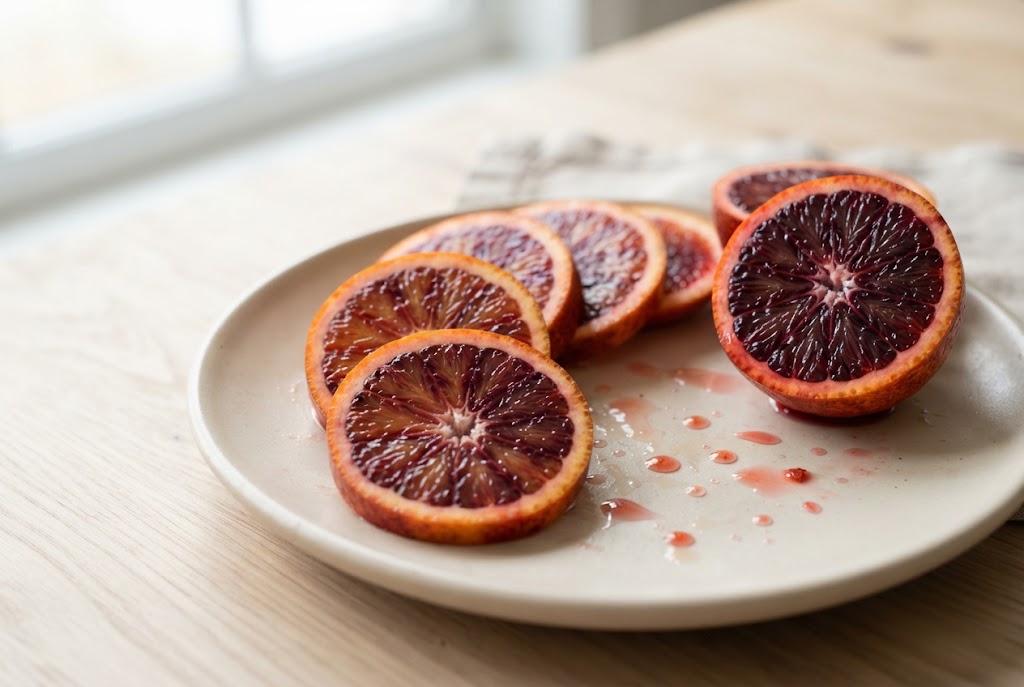
Winter's answer to the empty fruit slot. Blood oranges run December through April, taste like orange with a raspberry edge, and cut into crimson-and-orange wheels that no other ingredient on a board can compete with visually. Slice crosswise — the cross-section is the whole point.
What it is
A pigmented sweet orange. The red comes from anthocyanins, the same compounds in red wine and berries, which develop when the fruit sees cold nights. Three varieties matter: Moro (darkest, most berry-like), Tarocco (sweetest, partly red), Sanguinello (in between).
- Taste
- orange with raspberry and a faint bitterness
- Texture
- juicy, more tender-membraned than a navel
- Look
- crimson-streaked wheels, sometimes solid red
The mechanism is acid plus bitterness. A regular orange is mostly sugar and would sit oddly beside cheese. A blood orange carries enough acid and pith bitterness to work like a dressing — which is why the standard use isn't as fruit alongside but as fruit on top of something creamy.
What it pairs with — and why
| Pair it with | Why it works |
|---|---|
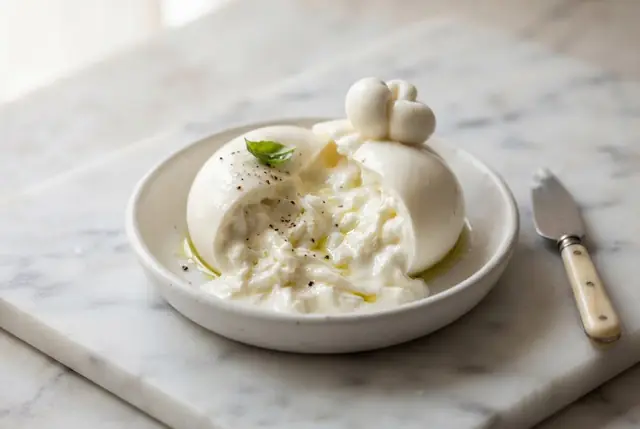
| Burrata | The defining winter pairing. Acid and bitterness cutting straight through cream, with olive oil and salt. |
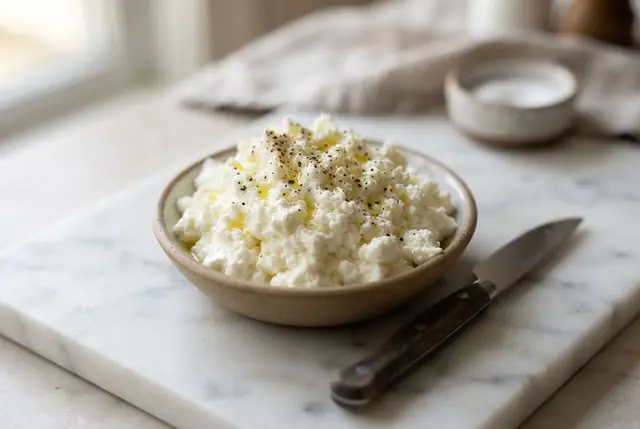
| Fresh ricotta | Mild sweet curd needs an acid; the blood orange supplies it and the colour. |
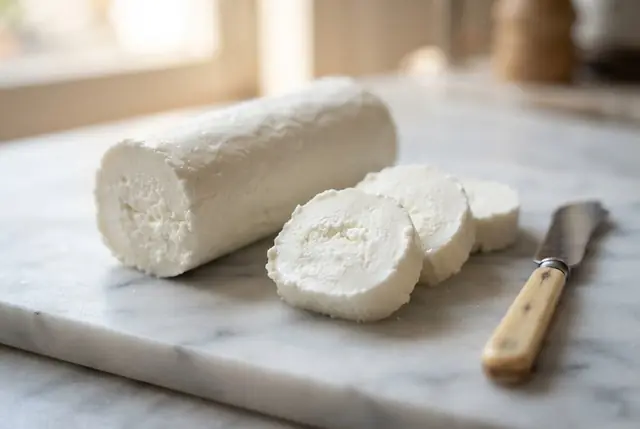
| Fresh goat cheese | Two acids, different registers — citric against lactic. |
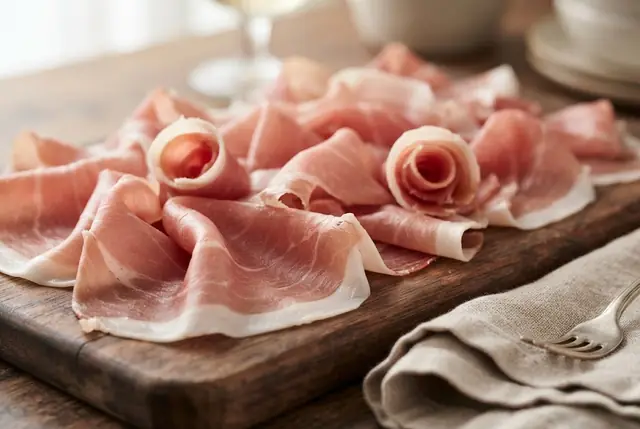
| Prosciutto | Salt and citrus, the way orange works in a Sicilian salad. |
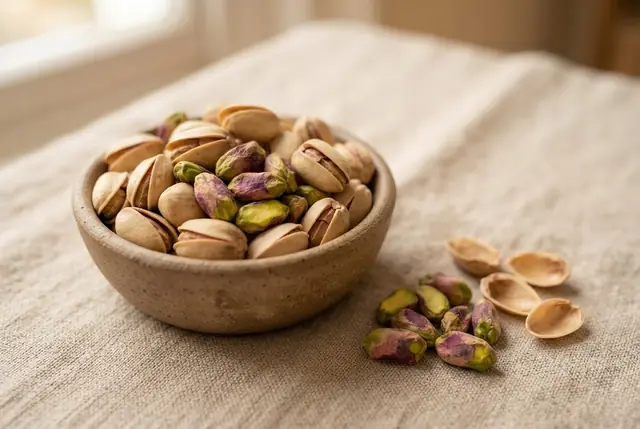
| Pistachios | Sicilian logic: green, red, salt, sweet. Also the strongest colour combination on the board. |
| Fennel and olives | Anise and brine against citrus — this is a Sicilian salad on a board. |
Skip it with: aged hard cheeses and blue. Citrus acid clashes with the ammoniated edge in both.
How to prep it for the board
- Slice crosswise into wheels, 1/4 inch. Segments waste the colour.
- Cut the peel off first if the skin is thick — top and bottom flat, then knife down the sides. Thin-skinned ones can be left unpeeled.
- Blot the slices on paper towel. Citrus juice will run across a board and soak crackers.
- Set them on a small plate or in a shallow bowl, not directly on wood.
- Finish with flaky salt and olive oil if they're going next to cheese.
- Serve cold, sliced within an hour.
- Fix: pale and disappointing inside? Colour depends on how cold the growing season was. Sicilian imports are more reliably dark than Californian.
What to buy
| Product | Where | Notes |
|---|---|---|
| Moro blood oranges | Grocery, Dec–Apr | Darkest flesh, strongest berry note. The one you want. |
| Tarocco | Italian grocers, specialty | Sweetest and least acidic. Partly red, not solid. |
| Sicilian imports | Whole Foods, Italian delis | More reliably pigmented than domestic. |
| Cara Cara oranges | Any grocery, winter | Pink-fleshed navel, not a true blood orange, but sweet and low-acid with good colour. |
Label check: heavy for its size means juicy. A blotchy red blush on the peel often signals deeper colour inside, though it isn't a guarantee.
Skip: blood oranges out of season — from May onward they're storage fruit, pale and dry.
Quick FAQ
When are blood oranges in season?
December through April. Outside that window they're pale and expensive.
Do I peel blood oranges for a board?
Usually yes, cutting the peel and pith off with a knife, then slicing crosswise into wheels.
Which variety is reddest?
Moro. Tarocco is sweeter but less uniformly red.
Why is my blood orange barely red inside?
The pigment develops with cold nights. Warm-winter fruit stays pale — Sicilian imports are the safer buy.
How do I stop juice running over the board?
Blot the slices and serve them on a small plate or in a shallow dish.