The short version
The cheap, reliable winter fruit. No knife, no browning, no juice on the board — peel and separate into segments and you're done. Clementines are the sturdiest; satsumas peel most easily but fall apart faster.
What it is
An umbrella name for small, loose-skinned, easy-peel citrus: clementines, satsumas, tangerines, and the branded hybrids sold as Cuties and Halos. All are sweeter and less acidic than an orange, with thinner membranes.
- Taste
- sweet, mildly acidic, floral
- Texture
- tender segments that separate cleanly
- Look
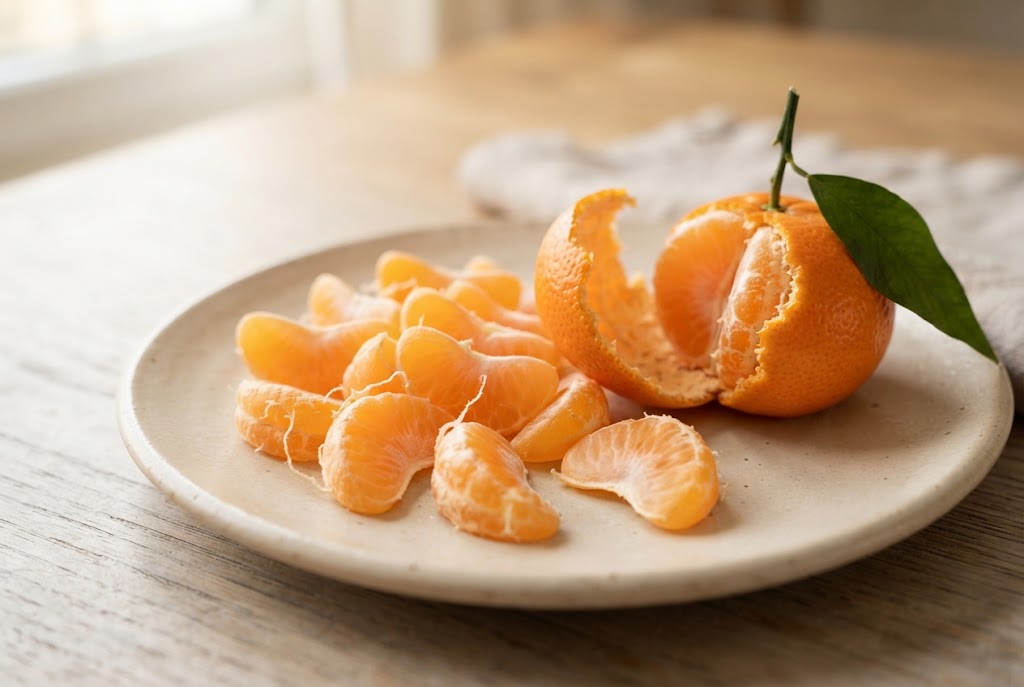
- small orange crescents, arranged in a loose fan
The mechanism is portability. A mandarin segment is the only citrus you can pick up with your fingers and eat in one bite without dripping — the membrane holds the juice in until you bite. That makes citrus available to a board where slices of orange would be too wet.
What it pairs with — and why
| Pair it with | Why it works |
|---|---|
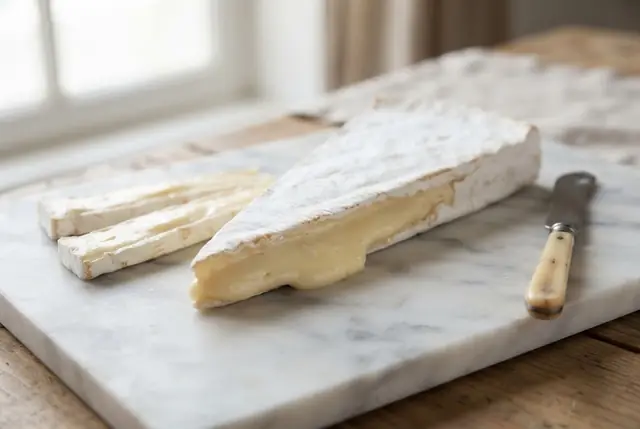
| Brie | Sweet-acid juice against soft fat; the classic winter version of grapes and brie. |
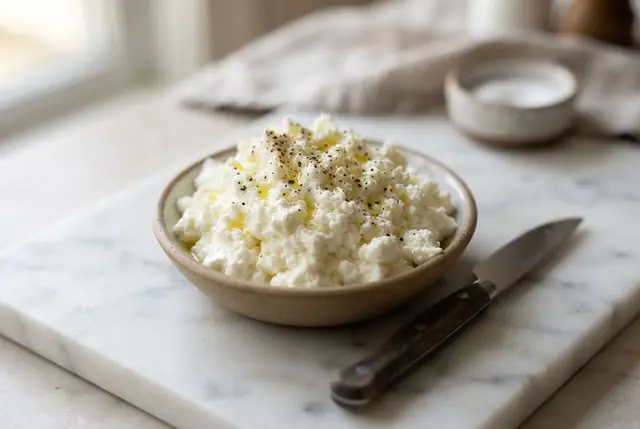
| Fresh ricotta | Mild curd plus sweet citrus — this is basically dessert. |
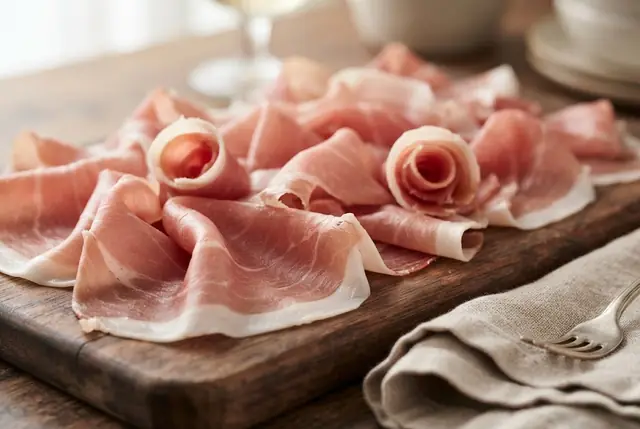
| Prosciutto | Salt and sugar, with the segment doing the same job as melon in July. |
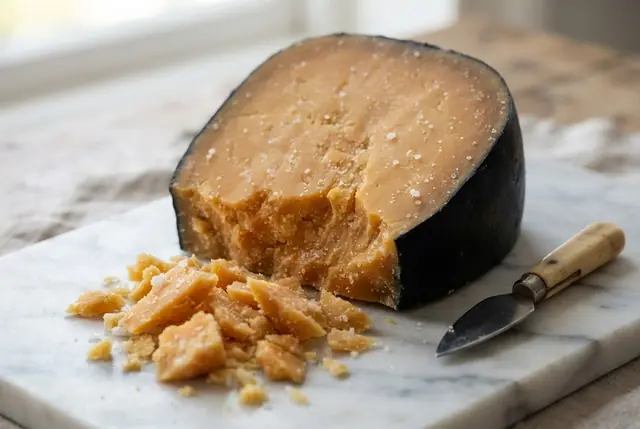
| Aged gouda | Caramel against bright citrus; the contrast is bigger than it sounds. |
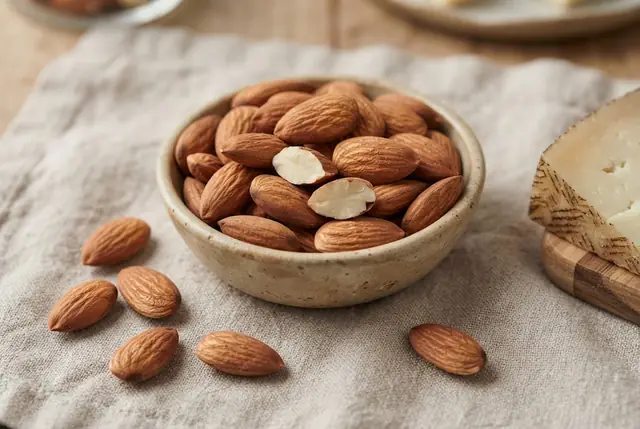
| Almonds and marcona almonds | Citrus and almond are a Mediterranean fixture; salt links them. |
| Dark chocolate | Orange and chocolate, on a board that runs to dessert. |
Skip it with: blue cheese and washed-rind cheeses. Sweet citrus makes both taste metallic.
How to prep it for the board
- Peel and separate into segments. Don't slice mandarins crosswise — the membranes are too thin to hold.
- Pull off the white pith strings. Thirty seconds, and it's the difference between tidy and scruffy.
- Fan the segments in a curve, or pile them into a small bowl.
- Leave one whole, unpeeled, on the board for colour and to signal what the segments are.
- Serve cold. Citrus is better straight from the fridge.
- Prep within an hour — segments dry at the edges after that.
- Fix: seedy? You've got tangerines rather than clementines. Buy Halos, Cuties, or anything labelled seedless.
What to buy
| Product | Where | Notes |
|---|---|---|
| Clementines (Cuties, Halos) | Any grocery, Nov–Mar | The default. Seedless, sturdy segments, cheap by the bag. |
| Satsumas | Grocery, farmers markets, winter | Sweetest and easiest to peel. Delicate — handle gently. |
| Sumo Citrus / Dekopon | Grocery, Jan–Apr | Large, bumpy-topped, exceptionally sweet. Expensive and worth it once. |
| Tangerines | Grocery, winter | More acidic and often seedy. Better flavour, more work. |
| Kishu mandarins | Farmers markets, specialty | Tiny, seedless, intensely sweet. Beautiful on a board. |
Label check: buy loose rather than bagged when you can — bags hide soft fruit at the bottom. Heavy for size, tight skin, no soft spots.
Skip: anything with skin puffed away from the flesh; that fruit is drying out.
Quick FAQ
Clementines or satsumas?
Clementines hold their segments better on a board. Satsumas taste sweeter and peel more easily but fall apart faster.
Do I slice mandarins?
No — peel and separate into segments. The membranes are too thin to slice.
Are Cuties and Halos different fruit?
They're brand names for clementines, and sometimes murcott mandarins later in the season.
When are mandarins in season?
November through March, with Sumo Citrus arriving January through April.
How much per person?
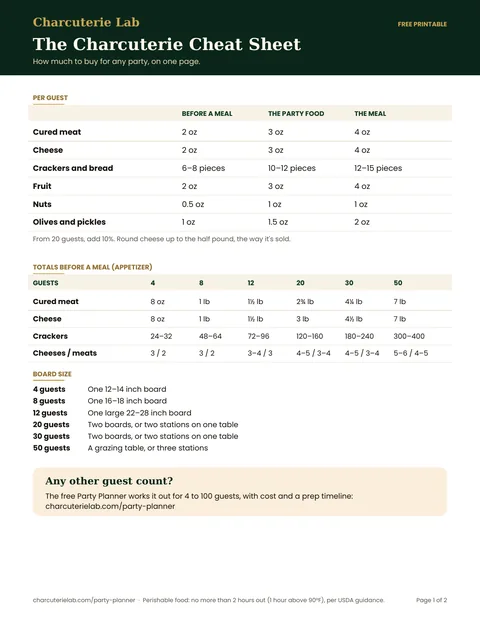
1–2 oz — one mandarin covers two or three people on a mixed board.